
Your baby is now 36 weeks old, and what an exciting time it is! At this stage, babies are often becoming quite mobile, curious, and more independent. You might be noticing new attempts at communication and a growing desire to explore everything around them. This period is also a fantastic opportunity to introduce new habits, like moving away from the bottle and getting familiar with a cup.
What Changes Now?
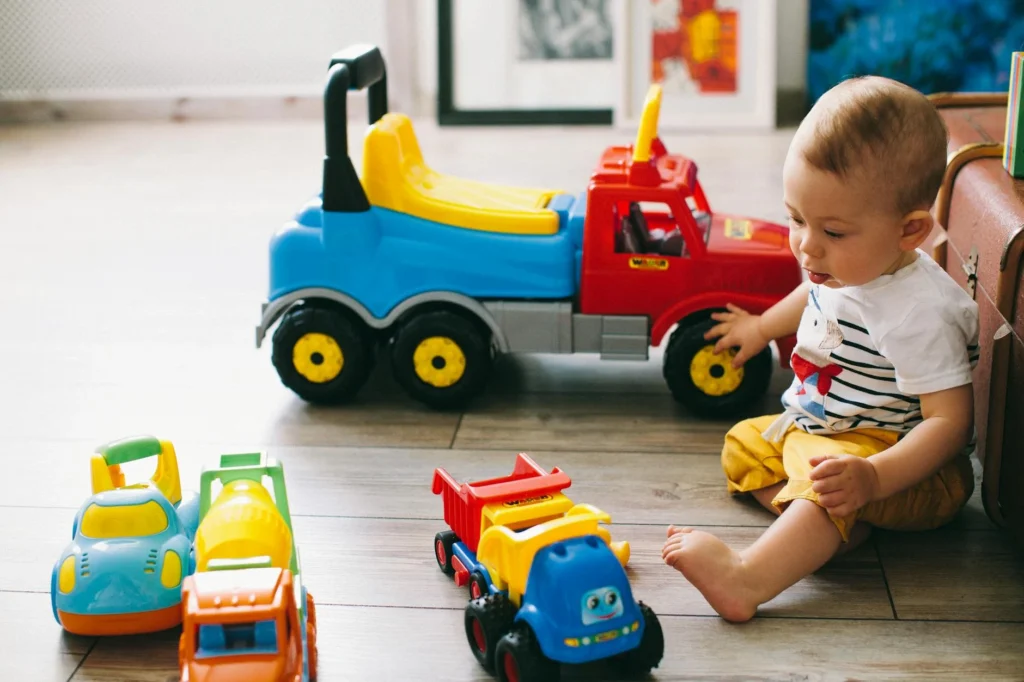
Around 36 weeks (or approximately 8 to 9 months), babies are typically bustling with activity. Many are mastering crawling, and some might even be pulling themselves up to stand, cruising along furniture, or taking a few tentative steps with support. Their fine motor skills are developing rapidly, making the pincer grasp (using thumb and forefinger) more refined, which is great for self-feeding. Communication is also blossoming; they might be babbling with more purpose, responding to their name, and even understanding simple commands like “no” or “come here.” It’s a joy to watch their personalities truly shine!
Sleep at 36 Weeks
Most 36-week-old babies need around 12 to 15 hours of sleep in a 24-hour period, usually split between nighttime sleep and one or two naps during the day. While some babies settle into a fairly consistent sleep routine, others might experience occasional disruptions. Teething, growth spurts, or even newfound separation anxiety can sometimes lead to nighttime awakenings. Consistency in bedtime routines and a comfortable, safe sleep environment can really help.
Feeding: Hello, Sippy Cups!
This is a perfect time to start thinking about the transition from bottles to cups. Introducing a cup around this age has several benefits for your baby’s development, including promoting oral motor skills, hand-eye coordination, and even dental health. Experts often recommend beginning to offer a cup between 6 and 12 months, so your 36-week-old is right in the sweet spot.
Why Transition to a Cup?
- Oral Development: Drinking from a cup encourages a more mature swallowing pattern and strengthens jaw muscles.
- Dental Health: Prolonged bottle use, especially allowing a baby to fall asleep with a bottle, can contribute to tooth decay.
- Independence: Learning to drink from a cup fosters self-feeding skills and a sense of accomplishment.
How to Introduce a Cup
The key is patience and making it a positive experience. Start by offering a small amount of water or breast milk/formula in a sippy cup with a soft spout, a straw cup, or even a small open cup designed for babies. You can:
- Offer the cup during meal or snack times.
- Let your baby hold the cup and explore it.
- Demonstrate how to drink from it yourself.
- Don’t force it. If they aren’t interested, try again another time.
Remember, it’s a gradual process. Don’t expect them to master it overnight. Some babies take to cups quickly, while others need more time and practice.
Important Feeding Safety Notes:
- Never give honey to a baby under one year of age due to the risk of infant botulism.
- Avoid adding extra salt or sugar to your baby’s food. Their kidneys are still developing, and added sugar offers no nutritional benefit.
- When introducing new solid foods, do so one at a time. This helps you identify any potential allergies or sensitivities. If you notice any reactions like hives, swelling, or difficulty breathing, contact your healthcare provider immediately.
Play & Development
Playtime is crucial for learning! Engage your 36-week-old with activities that encourage their developing skills:
- Reading: Point to pictures in books and name objects.
- Peek-a-Boo: This classic game helps with object permanence.
- Stacking & Sorting: Simple blocks or rings help fine motor skills.
- Cause and Effect Toys: Toys that light up or make noise when pressed teach cause and effect.
- Music: Sing songs and dance together to encourage movement and rhythm.
Practical Tips for Parents
- Childproofing: With increased mobility, it’s more important than ever to ensure your home is safe. Cover outlets, block stairs, and secure furniture.
- Routines: While flexibility is good, consistent meal times, nap times, and bedtime routines can provide comfort and predictability for your baby.
- Encourage Self-Feeding: Offer soft, bite-sized pieces of food that your baby can pick up themselves to foster independence.
When to Consult a Professional
Parenting comes with questions, and it’s always wise to trust your instincts. If you have concerns about your baby’s feeding habits, developmental milestones, sleep patterns, or overall well-being, don’t hesitate to reach out to your pediatrician or a trusted healthcare professional. They can provide personalized advice and support.
Please note: This article offers general information only and is not intended as a substitute for professional medical advice, diagnosis, or treatment. Always seek the advice of your physician or other qualified health provider with any questions you may have regarding a medical condition.
Frequently Asked Questions
When should my baby stop using a bottle completely?
Many pediatricians recommend aiming for full bottle weaning by around 12-18 months of age. Starting the cup introduction now helps ease into this transition.
What if my baby refuses the cup?
Don’t worry! It’s common for babies to be resistant at first. Keep offering the cup consistently, perhaps at one meal a day initially, and try different types of cups (spouted, straw, or open) to see which one your baby prefers. Make it fun and stress-free.
Note: Totals vary by provider, region, and part quality.
Images sourced from Pexels.