Finding the right shoe size for your growing child can sometimes feel like a puzzle. Little feet develop quickly, and well-fitting footwear is crucial for comfort, proper development, and even helping with balance and gait. Shoes that are too small can pinch, cause discomfort, and even affect foot health, while shoes that are too large can lead to tripping or poor foot support. This guide aims to simplify the process, helping you measure accurately and understand common international sizing.
How to Measure Your Child’s Foot at Home
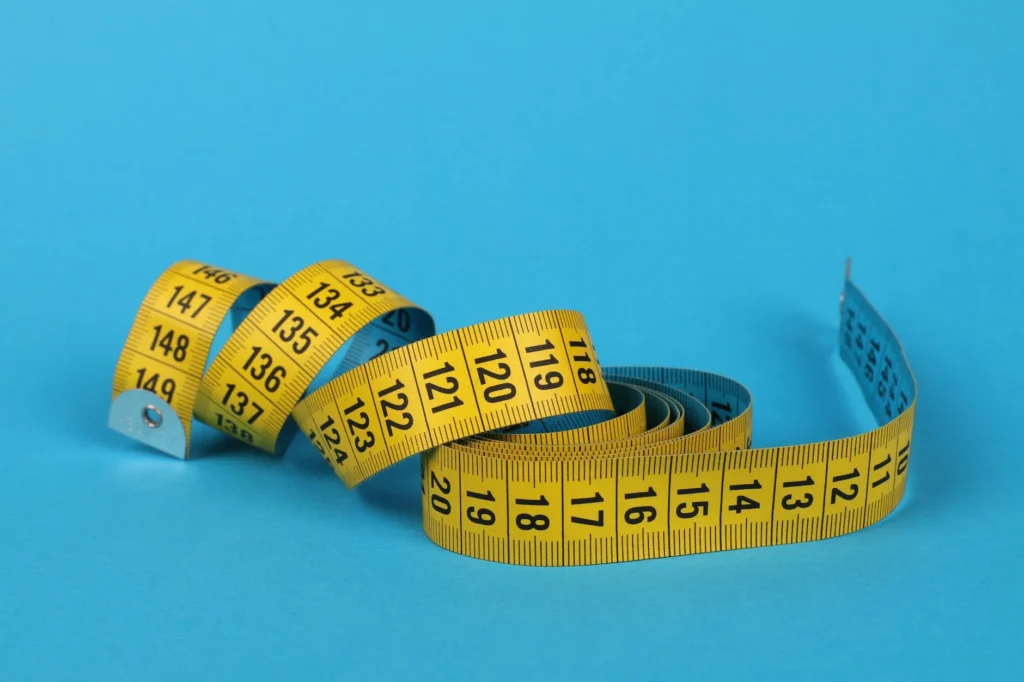
Measuring your child’s feet regularly is the best way to ensure their shoes always fit correctly. Aim to measure every 2-3 months for toddlers and every 3-6 months for older children, as growth spurts can happen quickly.
| Foot Length (cm) | Foot Length (in) | US Size | EU Size | UK Size |
|---|---|---|---|---|
| 10.5 | 4.1 | 4C | 19 | 3.5 |
| 11.3 | 4.4 | 5C | 20 | 4.5 |
| 12.1 | 4.8 | 6C | 21 | 5.5 |
| 12.7 | 5.0 | 7C | 22 | 6.5 |
| 13.5 | 5.3 | 8C | 24 | 7.5 |
| 14.3 | 5.6 | 9C | 25 | 8.5 |
| 15.1 | 5.9 | 10C | 26 | 9.5 |
| 15.9 | 6.3 | 11C | 28 | 10.5 |
| 16.7 | 6.6 | 12C | 29 | 11.5 |
| 17.5 | 6.9 | 13C | 31 | 12.5 |
| 18.3 | 7.2 | 1Y | 32 | 13.5 |
| 19.1 | 7.5 | 2Y | 33 | 1 |
| 19.9 | 7.8 | 3Y | 34 | 2 |
| 20.7 | 8.1 | 4Y | 36 | 3 |
| 21.5 | 8.5 | 5Y | 37 | 4 |
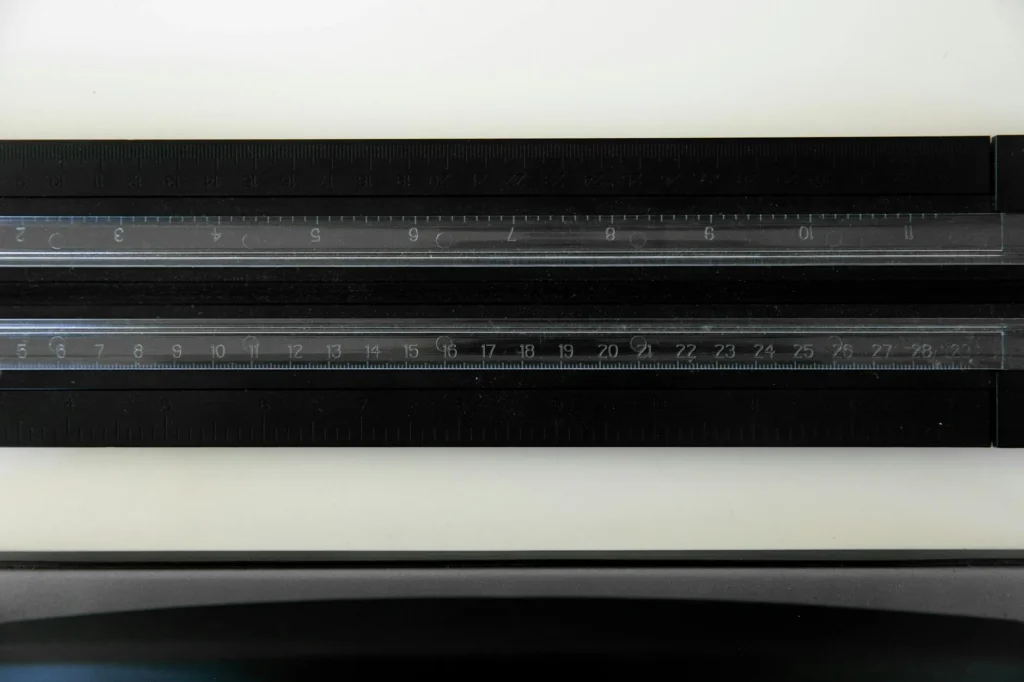
What You’ll Need:
- A piece of paper (larger than their foot)
- A pencil or pen
- A ruler or tape measure
- Socks (if they’ll be wearing socks with their new shoes)
Steps for Accurate Measurement:
- Have your child stand on the paper with their heel gently touching a wall or firm vertical surface. Ensure their weight is evenly distributed.
- Make a mark at the very tip of their longest toe. It might not be the big toe!
- Draw a line at the back of their heel, also touching the wall.
- Measure the distance between the heel line and the toe mark in centimeters (cm) and inches (in).
- Repeat the process for the other foot. It’s common for one foot to be slightly larger than the other. Always use the measurement from the larger foot.
- Add about 1-1.5 cm (0.4-0.6 inches) to your measurement. This allows for growth, wriggle room for toes, and prevents shoes from being immediately too small.
This final number is the “foot length” you’ll use to compare against our size chart.
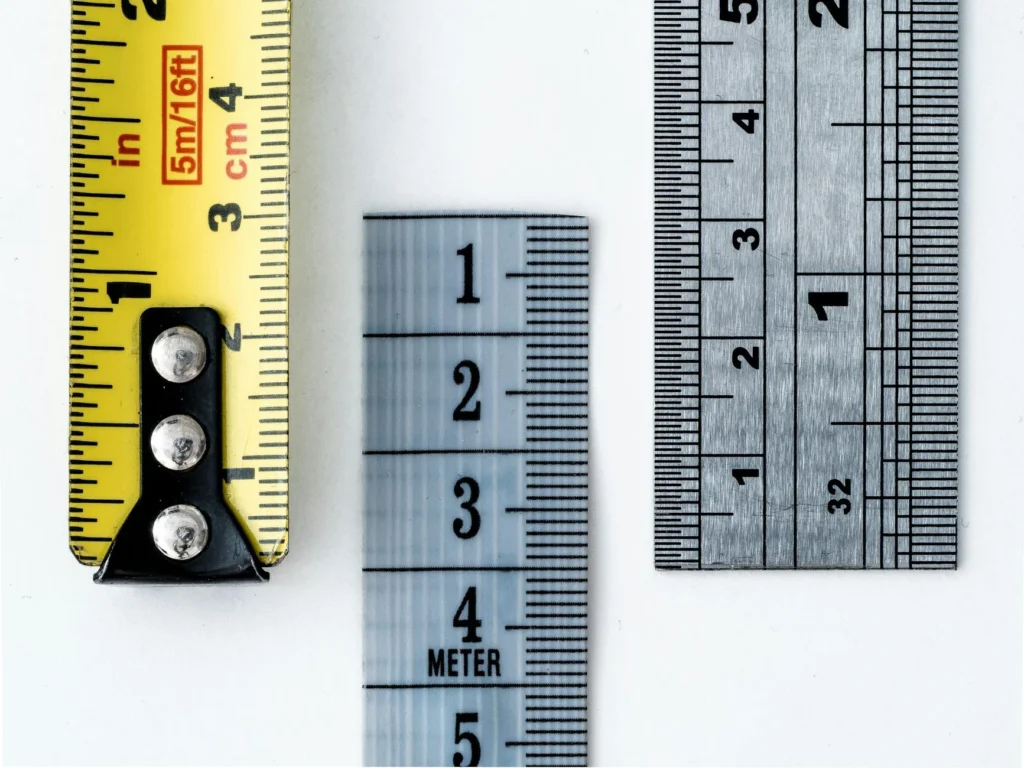
Toddler & Kids Shoe Size Chart
Use the adjusted foot length measurement from your child’s larger foot to find the corresponding size in US, European (EU), and UK systems. Remember, these charts are general guides, and sizes can vary slightly between brands.
Common Mistakes When Buying Kids’ Shoes
Avoiding these common pitfalls can save you time, money, and ensure your child’s feet are happy:
- Not measuring often enough: Children’s feet grow in unpredictable spurts. What fit last month might not fit today.
- Ignoring shoe width: Length is important, but width is too! Some brands offer different widths. If your child’s foot looks squeezed or has too much room on the sides, consider another style or brand.
- Buying “room to grow” shoes that are too big: While a little extra room (the 1-1.5 cm we discussed) is good, shoes that are much too big can cause tripping, blisters, and make it harder for your child to walk naturally.
- Hand-me-down shoes: While tempting, hand-me-down shoes have molded to the previous wearer’s foot. This can cause poor support and fit for your child.
- Only trying on one shoe: Always try on both shoes, and have your child walk around in them for a bit to check for comfort.
Paying attention to these details will make a big difference in your child’s comfort and foot development.
Disclaimer: The information provided in this article is intended for general informational purposes only and does not constitute medical advice. If you have specific concerns about your child’s foot health or development, please consult with a healthcare professional or pediatric podiatrist.
Note: Totals vary by provider, region, and part quality.
Images sourced from Pexels.