
A 3-week-old baby experiencing gas can be tough on everyone. It’s heartbreaking to see your tiny one uncomfortable, squirming, and crying from tummy troubles. Rest assured, gas is a very common part of newborn life. Their brand-new digestive systems are still learning the ropes, and air can easily get trapped. The good news? There are several simple, safe routines you can try to help bring them some relief.
Understanding Why Babies Get Gassy
Newborns are prone to gas for a few key reasons. Their digestive systems are quite immature, making it harder to process food and move gas through. They also swallow air during feeding – whether from breastfeeding or bottle-feeding – and sometimes even while crying. This trapped air can lead to pressure and discomfort in their tiny tummies.
Signs Your Little One Might Have Gas
How can you tell if gas is the culprit behind your baby’s fussiness? Look for these common signs:

- Arching their back or pulling their legs up towards their chest.
- Crying intensely, often in short, sharp bursts.
- A distended or hard-feeling belly.
- Fussiness after feeding or during the night.
- Visible squirming and discomfort.
- Passing gas (sometimes a relief, sometimes still uncomfortable).
Gentle Gas Relief Routines to Try
These simple techniques can often help move trapped air and bring your baby comfort. Remember to always be gentle.
The “Bicycle Legs” Exercise
Lay your baby on their back on a soft surface. Gently take their ankles and move their legs in a circular motion, as if they are riding a bicycle. Bring their knees up towards their tummy, one at a time, then extend them. This motion can help to stimulate their bowels and release trapped gas. Do this for a few minutes at a time, taking breaks if your baby seems uncomfortable.
Tummy Time and Gentle Belly Massage
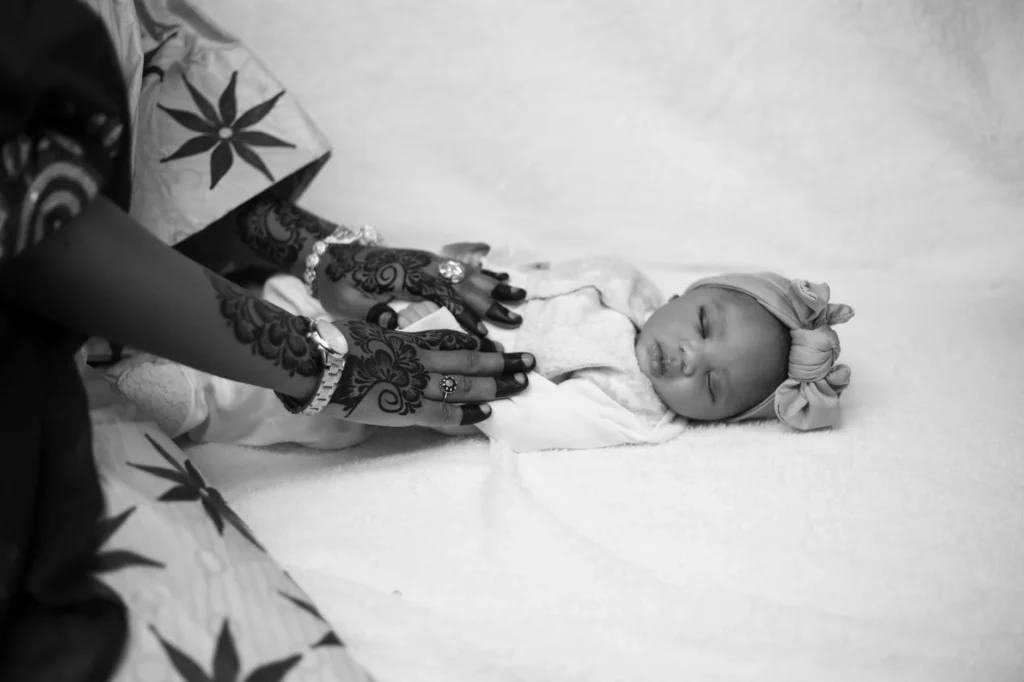
Short periods of tummy time can encourage gas to move. Supervise your baby closely during this. You can also try a gentle belly massage. Lay your baby on their back and use a very light touch, rubbing their belly in a clockwise direction around their navel. Imagine tracing a ‘U’ shape from their lower right abdomen, up, across, and down to their lower left. The warmth of your hand and the gentle pressure can be very soothing.
Effective Burping Techniques
Burping is key to preventing gas build-up. Always try to burp your baby during and after feeds. Here are a couple of popular positions:
- Over your shoulder: Hold your baby upright with their head resting on your shoulder. Gently pat or rub their back.
- Sitting on your lap: Sit your baby on your lap, supporting their head and chest with one hand. Lean them slightly forward and gently pat or rub their back with your other hand.
A Warm Bath for Relaxation
Sometimes, the warmth of a bath can help relax your baby’s muscles, including their abdominal ones, which may ease discomfort from gas. Ensure the water temperature is just right and keep the bath brief and calming.
Soothing Holding Positions
Try holding your baby in a position that applies gentle pressure to their tummy. The ‘colic hold’ (also known as the ‘football hold’) involves holding your baby face down along your forearm, with their head supported in your hand and your other hand gently rubbing their back. Many babies find comfort in this position.
When to Contact a Healthcare Professional
While gas is common, it’s important to know when to seek medical advice. If your baby’s gas is accompanied by any of the following, please contact your healthcare provider:
- Persistent, inconsolable crying that lasts for hours.
- Fever or poor feeding.
- Vomiting (especially forceful or green/yellow vomit).
- Bloody or black stools.
- Extreme lethargy or unresponsiveness.
- Significant swelling or hardness of the abdomen.
Remember, this information is for general guidance only and is not a substitute for professional medical advice. Always consult with your pediatrician or healthcare provider for any health concerns regarding your baby.
Note: Totals vary by provider, region, and part quality.
Images sourced from Pexels.