
At around 34 months, toddlers are truly blossoming into independent little people, and mealtimes are no exception. This is a fascinating stage where their fine motor skills are refining, and their desire to do things ‘all by myself’ really shines through. Supporting them as they navigate forks, spoons, and cups isn’t just about nutrition; it’s about fostering confidence, coordination, and a healthy relationship with food.
Growing Independence at Mealtimes
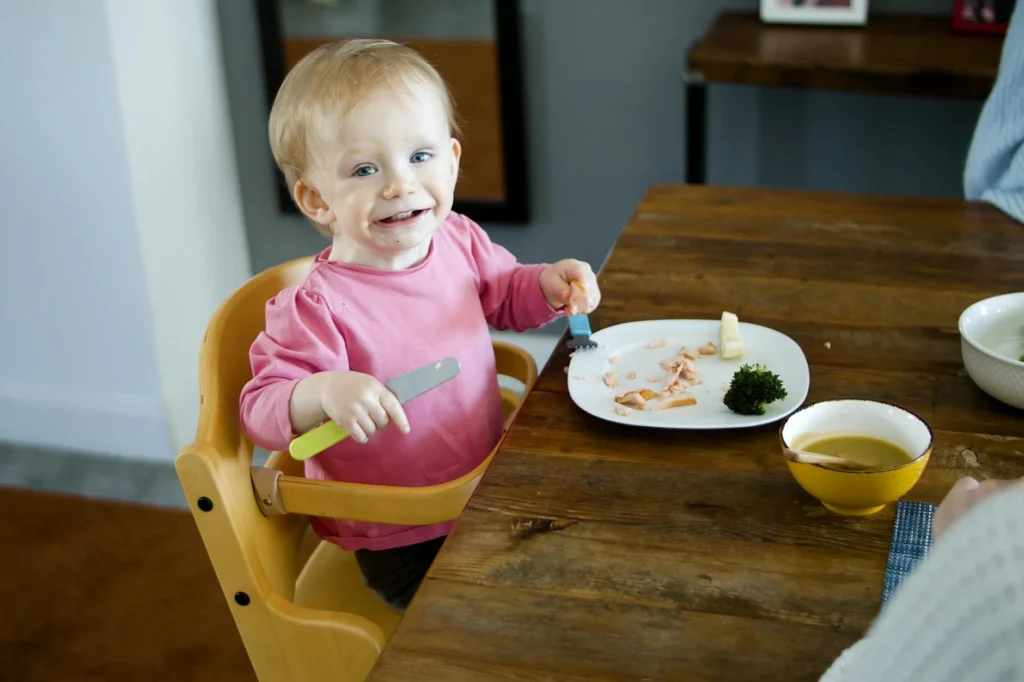
Your almost-three-year-old is likely asserting their preferences and capabilities more and more. When it comes to eating, this often translates into a strong desire to feed themselves, choose what they eat, and even where they sit. While this new-found autonomy can sometimes lead to mess or slower mealtimes, it’s a crucial part of their development. They’re learning about cause and effect, developing hand-eye coordination, and gaining a sense of control over their environment.
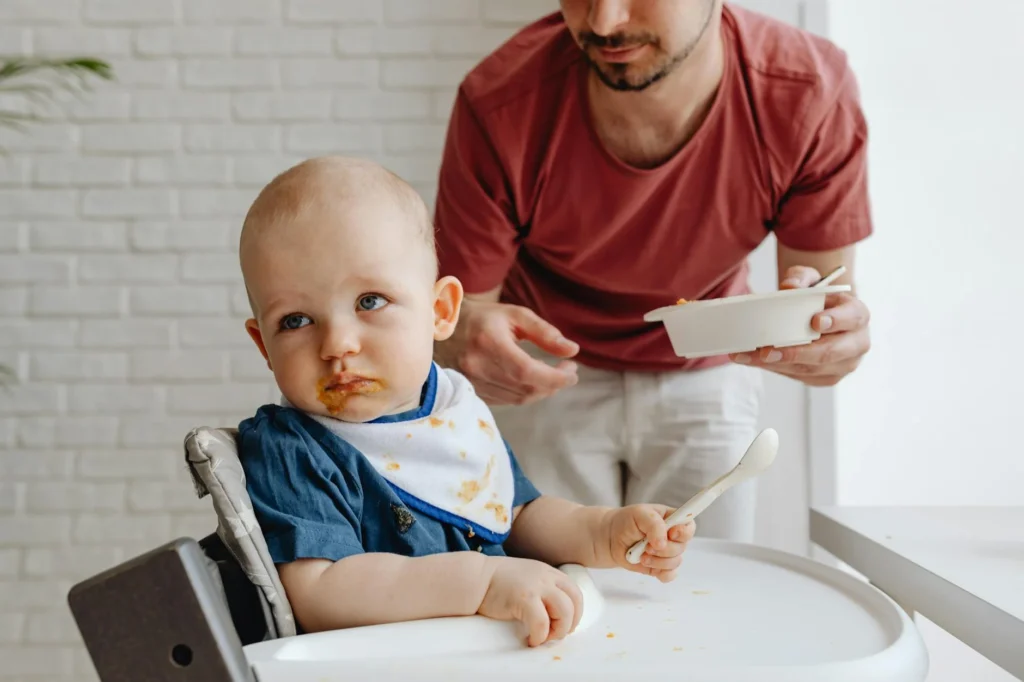
Many toddlers at this age are becoming quite adept with a spoon and fork, though perfection isn’t the goal. They’re developing the pincer grasp and wrist rotation needed to scoop food and bring it to their mouth. You might notice they still switch hands, use a fisted grip sometimes, or even resort to fingers for particularly tricky bites – and that’s perfectly normal! Mess is a given, as they experiment with how much food a spoon can hold, how to spear a piece of broccoli, or how to pour from a small pitcher. These are all learning opportunities, not failures.
Practical Tips for Supporting Self-Feeding
Choose the Right Tools
- Kid-Friendly Utensils: Look for spoons and forks with ergonomic, chunky handles that are easy for small hands to grip. Shorter tines on forks and a slightly deeper scoop on spoons can make success easier.
- Plates and Bowls: Consider non-slip plates or bowls with suction bases to minimize sliding and spills. Divided plates can also be helpful for keeping different foods separate, which many toddlers prefer.
- Open Cups: Encourage the use of open cups, perhaps smaller ones or those with two handles, to help them practice drinking without a spout.
Offer Appropriate Foods
Present foods that are easy to scoop or spear. Think soft fruits (melon, banana), cooked vegetables (peas, soft carrots), pasta, small pieces of chicken or tofu, and yogurt. Cut food into bite-sized pieces to prevent choking hazards and make it manageable for their utensils. Remember, a variety of textures and colors keeps things interesting!
Lead by Example
Eat together as a family whenever possible. Toddlers are fantastic imitators, and seeing you use utensils will naturally encourage them to do the same. Make mealtimes a positive, social experience.
Embrace the Mess
It sounds counterintuitive, but learning to self-feed is inherently messy. Lay down a mat under their high chair or table, dress them in clothes you don’t mind getting dirty, and try to relax about spills. Focus on their effort and progress, not just the cleanliness of the outcome.
Stay Patient and Positive
Learning takes time. Offer praise for their efforts, even if they only get a few bites into their mouth with a spoon. Avoid hovering or pressuring them. If they get frustrated, offer to help for a moment, then encourage them to try again.
Create a Relaxed Atmosphere
Mealtimes should be enjoyable. Minimize distractions like screens, and keep conversations light and engaging. A calm environment helps them focus on eating and developing their skills.
Involve Them in Prep
Even a 34-month-old can help with simple tasks, like washing fruits, stirring ingredients, or setting the table. This involvement can increase their interest in the food and mealtimes overall.
When to Connect with a Professional
While mess and some difficulty are normal parts of learning to self-feed, it’s always wise to consult a healthcare professional if you have concerns. If your toddler consistently gags, chokes, or coughs during meals, shows extreme aversion to certain food textures, struggles significantly with chewing or swallowing, or seems to have persistent difficulty with the fine motor skills required for self-feeding after consistent practice, it’s a good idea to discuss these observations with your pediatrician. They can offer guidance and assess if further support is needed.
Disclaimer: This information is for general knowledge and informational purposes only, and does not constitute medical advice. Always consult a qualified healthcare professional for any health concerns or before making any decisions related to your child’s health or treatment.
Frequently Asked Questions
How much mess is too much?
There’s no hard-and-fast rule, but a certain level of mess is expected and part of the learning process. If your toddler is consistently throwing food, refusing to eat at all, or seems to be playing rather than trying to eat, you might need to re-evaluate the mealtime environment or portion sizes. Sometimes, a toddler may be using mess to communicate something else entirely, like being full or needing a break.
My toddler prefers fingers, what then?
Many toddlers will alternate between utensils and fingers, especially for foods that are easier to grab. This is normal! Continue to offer utensils at every meal and model their use, but don’t force it. The goal is exposure and practice. Over time, they will likely gravitate more towards utensils as their skills improve and they observe others.
What about drinks?
Encourage the use of open cups with water or milk. If spills are a major concern, you can start with small amounts in the cup. Spouted sippy cups can be a transition, but try to move towards open cups to support oral motor development and prevent prolonged liquid exposure around teeth.
Feeding Safety Reminders
- No Honey Under One: Remember, honey should not be given to children under one year of age due to the risk of infant botulism.
- Avoid Added Salt & Sugar: It’s best to avoid adding extra salt and sugar to your toddler’s food, especially under one. Their kidneys and digestive systems are still developing, and they don’t need the added ingredients.
- Allergy Note: When introducing new foods, do so one at a time over a few days to easily identify any potential allergic reactions.
- Choking Hazards: Always supervise your toddler while they eat. Ensure food is cut into small, manageable pieces. Avoid whole grapes, nuts, large chunks of meat or cheese, hot dogs, hard candies, and popcorn, which are common choking hazards for young children.
Note: Totals vary by provider, region, and part quality.
Images sourced from Pexels.