
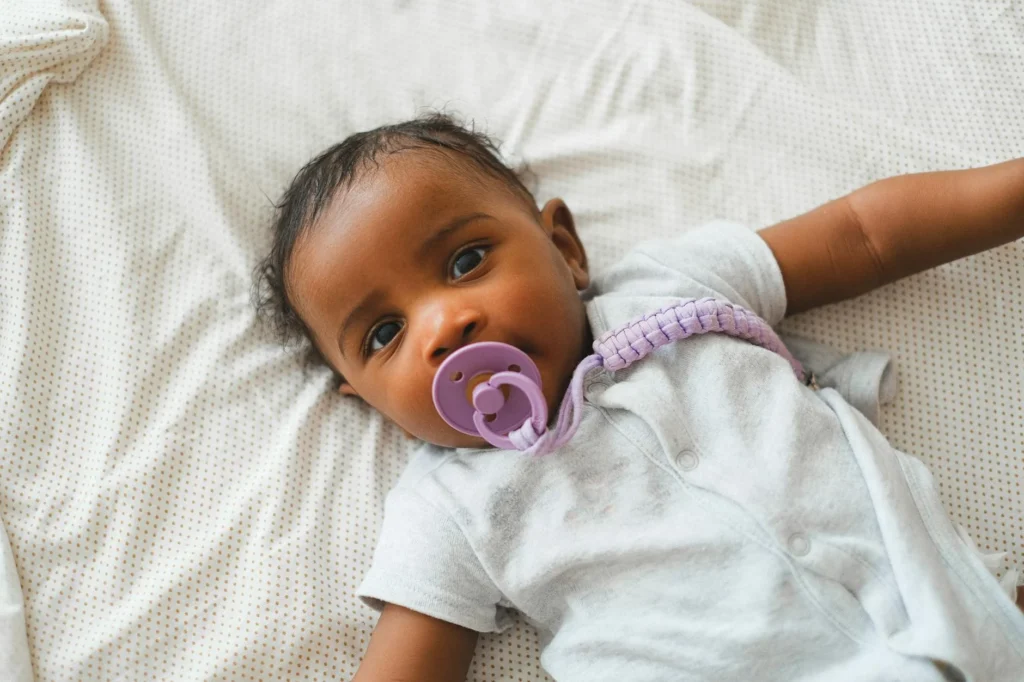
Many little ones find a pacifier to be a source of great comfort and calm, a familiar friend during sleep and moments of fussiness. Yet, for various reasons, there often comes a time to gently encourage them to say goodbye to their beloved binky. This transition can feel like a big step for both parents and children, sometimes leading to a bit of apprehension. The good news? With a thoughtful and gentle approach, this journey can be a smooth and successful one for your family.
Common Signs Your Little One Might Be Ready

Observing your child’s cues can offer valuable insight into when they might be prepared to part ways with their pacifier. There’s no single ‘right’ time, but these signs can suggest readiness:

- They’re starting to show less interest in it during waking hours, perhaps only reaching for it when very tired, upset, or during sleep.
- Speech development seems affected; they might try to talk with the pacifier in their mouth, making sounds unclear.
- If your child is over 12 months old, you might be noticing or hearing about potential dental or orthodontic concerns from a healthcare provider.
- They’re using it less frequently overall, or it’s starting to fall out more often without them noticing.
- You simply feel it’s the right developmental stage for your child and your family, perhaps before a new milestone like starting preschool.
Gentle Habits to Support Weaning
A gradual approach is often the kindest way to help your child adjust. Here are some gentle habits to incorporate:

Go Gradual
Instead of an abrupt stop, try reducing pacifier use incrementally. Start by limiting it to specific times only – typically naps and bedtime. Once that’s consistent, you might try for just naps, then eventually just bedtime.
Offer Comfort Alternatives
Introduce a new source of comfort that can become a special item for your child. This could be a soft blanket, a favorite stuffed animal, or extra cuddles and stories during quiet times. These can become powerful substitutes for the pacifier.
Distract and Engage
During waking hours, when your child might typically reach for the pacifier, offer engaging activities. Outdoor play, a new puzzle, sensory bins, or reading books can keep their mind and hands occupied.
Positive Reinforcement
Celebrate every small victory! Praise your child enthusiastically when they choose to play without the pacifier or comfort themselves in another way. Keep the tone light, encouraging, and full of positive affirmation.
Be Consistent
Once you decide on a plan and start the process, try your best to stick to it. Consistency helps your child understand the new routine and what to expect, which can reduce confusion and resistance.
Common Pitfalls to Avoid
While every child is different, some approaches can make pacifier weaning more challenging. It’s often helpful to:
Avoid the Cold Turkey Approach
For many children, an abrupt stop can be very distressing and lead to significant meltdowns and sleep disruptions. A gradual method is generally less jarring and allows them to adjust at their own pace.
Steer Clear of Pressure or Punishment
Never shame or scold your child for wanting their pacifier. Frame the transition as a natural step forward in their growth, not as breaking a negative habit. Positive framing makes a big difference.
Don’t Introduce During Stressful Times
Try not to initiate pacifier weaning during other significant life transitions, such as potty training, moving house, the arrival of a new sibling, or starting a new daycare. Pick a calm and stable period.
Resist Giving In
It’s incredibly tough when your little one is upset and asks for their pacifier, but reintroducing it after you’ve started the weaning process can send mixed signals and prolong the adjustment period. Be firm, but always loving and understanding.
When to Talk to a Professional
While pacifier weaning is a common developmental step, it can sometimes present unique challenges. If your child is experiencing significant, prolonged distress that disrupts their sleep, eating habits, or overall daily life, or if you have specific questions about dental health or speech development related to pacifier use, do not hesitate to speak with your pediatrician or another qualified healthcare provider. They can offer personalized guidance, support, and reassure you through the process.
Please remember, the information provided here is for general guidance and informational purposes only, and does not constitute medical advice. Always consult with a qualified healthcare professional for any health concerns or before making any decisions related to your child’s health or care.
Note: Totals vary by provider, region, and part quality.
Images sourced from Pexels.