
What Changes Now?

Three weeks in, and your tiny human is still adjusting to the world outside, but you might notice small shifts already. Growth is a big theme at this stage. Most babies are steadily gaining weight, often around 0.5 to 1 ounce per day. Your little one might also seem a bit more alert during short windows, perhaps looking at your face or briefly following a moving object with their eyes. The world is still blurry, but they’re beginning to take it in.
Reflexes like the startle (Moro) reflex, rooting, and sucking are strong. You might also notice their tiny fists are often clenched. Remember, every baby develops at their own pace, so these are general guidelines. If you have any concerns about your baby’s development or health, always reach out to your pediatrician. This information is for general knowledge and not a substitute for professional medical advice.
Sleep
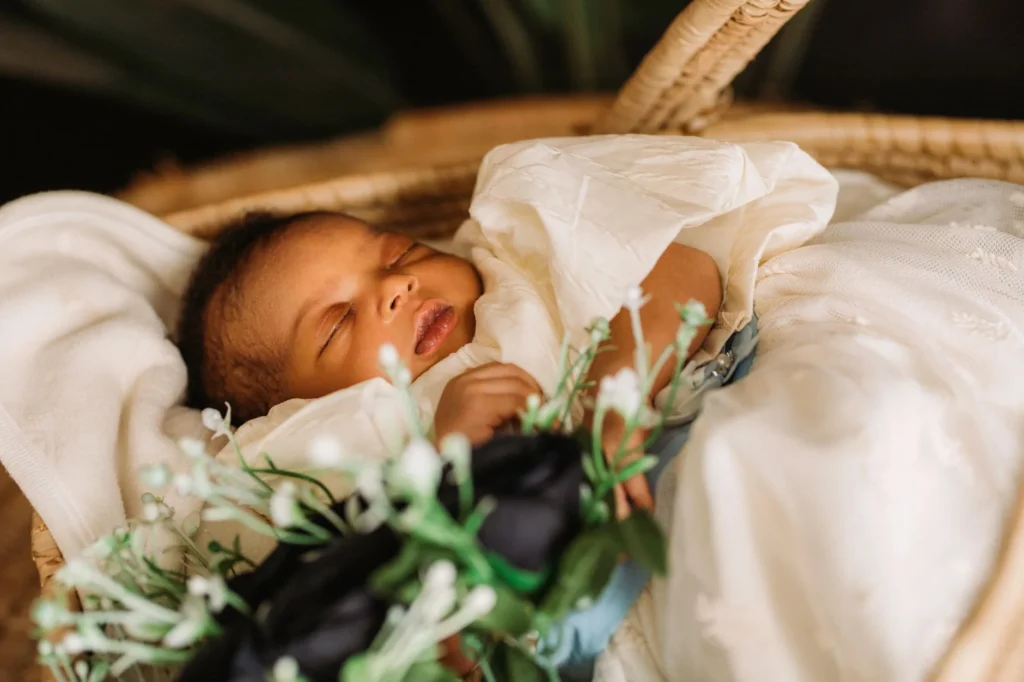
Sleep at three weeks old is still very fragmented, both for baby and for you! Newborns typically sleep between 14 to 17 hours over a 24-hour period, but these stretches are usually short, lasting anywhere from 1 to 4 hours at a time. They don’t yet understand the difference between day and night, so expect frequent awakenings for feeding and comfort.

Prioritizing safe sleep is crucial. Always place your baby on their back to sleep, on a firm, flat surface without any loose bedding, blankets, or bumpers. Room sharing (having your baby sleep in your room, but in their own bassinet or crib) for the first six months to a year is recommended for reducing the risk of SIDS.
Feeding
Whether you’re breastfeeding or formula feeding, a 3-week-old baby eats frequently! Breastfed babies usually feed on demand, which can be 8 to 12 times or more in 24 hours. Formula-fed babies might feed every 3-4 hours, with amounts gradually increasing as they grow. Look for hunger cues like rooting, lip smacking, or fussiness before full-blown crying. Pay attention to signs of fullness too, like turning away from the nipple or bottle, or relaxing their body.
Monitoring wet and dirty diapers is a good way to ensure your baby is getting enough to eat. By this age, you should expect around 6+ wet diapers and 3-4 dirty diapers a day. Always consult your pediatrician if you’re worried about your baby’s feeding habits or growth. This general information isn’t a substitute for medical advice.
Play & Development
Even at three weeks, ‘play’ is about interaction and connection. Your baby’s vision is still developing, so they are most interested in high-contrast patterns and, most importantly, your face! Spend time holding them close, talking and singing softly. This helps build the foundation for language and connection.
Short, supervised tummy time sessions are important for strengthening neck and shoulder muscles. Start with just a minute or two on your chest or a mat, several times a day. It’s not just about physical development; it’s also a chance for your baby to see the world from a different perspective.
Practical Tips
- Embrace the Fourth Trimester: Your baby is still adjusting to life outside the womb. This means lots of cuddling, skin-to-skin contact, and responding to their cries.
- Prioritize Rest: Sleep when the baby sleeps, even if it’s just for 20 minutes. Don’t worry about household chores; focus on healing and bonding.
- Accept Help: If friends or family offer help, take it! Let them bring food, run errands, or simply hold the baby while you nap or shower.
- Trust Your Instincts: You know your baby best. If something feels off, or you have a strong intuition, don’t hesitate to contact your healthcare provider.
- Manage Fussy Periods: Many newborns experience a ‘witching hour’ or periods of unexplained fussiness. Swaddling, gentle rocking, shushing, or a pacifier can sometimes help soothe them.

Frequently Asked Questions
How much should a 3-week-old be awake?
At three weeks old, awake times are very brief, usually 45-60 minutes at a stretch. These periods are mostly for feeding and a bit of quiet interaction. They need a lot of sleep to fuel their rapid growth.
What are common reasons for a 3-week-old to cry?
Crying is a baby’s primary way to communicate. At this age, it often means hunger, a wet/dirty diaper, being too hot or cold, needing comfort, or being overstimulated. Sometimes, babies just need to cry to release energy, often in the late afternoon or evening. This is a normal phase for many newborns.
When should I contact my pediatrician about my 3-week-old?
Always contact your pediatrician if you notice any concerning signs, such as a fever (especially if it’s 100.4°F/38°C or higher), extreme lethargy, poor feeding, significantly fewer wet/dirty diapers, persistent vomiting, yellowing skin or eyes (jaundice), difficulty breathing, or inconsolable crying that seems unusual. When in doubt, it’s always best to call.
Images sourced from Pexels.