
Reaching for your food? Watching your spoon intently? These are often the first hints that your little one might be ready to explore a whole new world of flavors and textures: solid foods! It’s a big milestone, both exciting and a little messy. Starting solids is about more than just nutrition; it’s about introducing new experiences, developing motor skills, and having fun together at mealtime.
When Is Baby Ready for Solids?
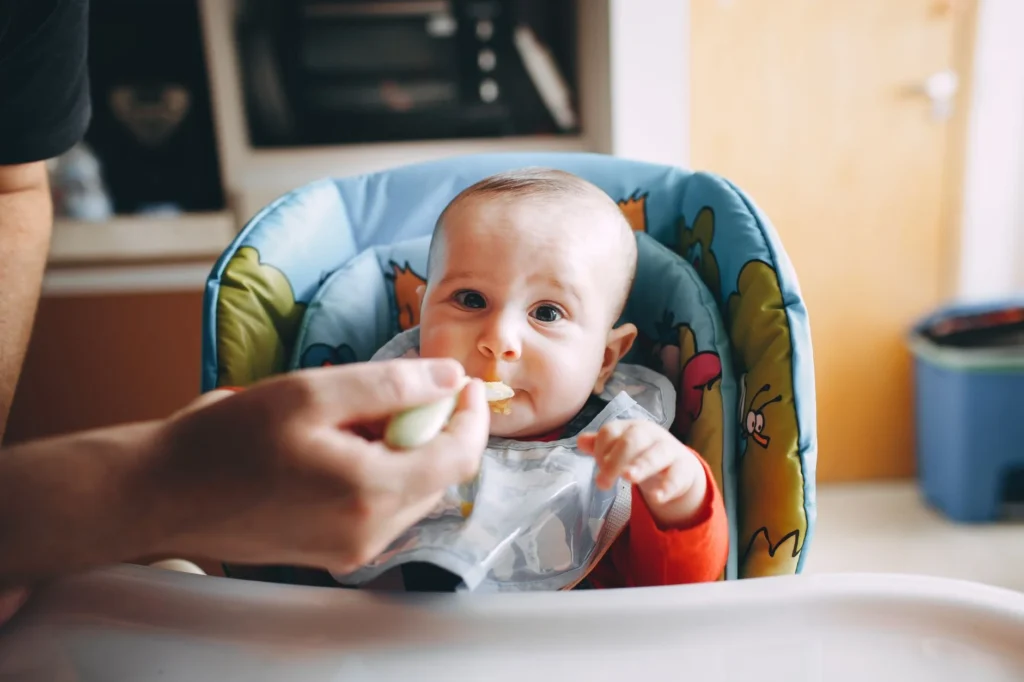
There’s no single magic age for starting solids, as every baby develops at their own pace. Most healthcare professionals suggest beginning around the middle of their first year, but what’s most important are the developmental signs. Look for these clues:
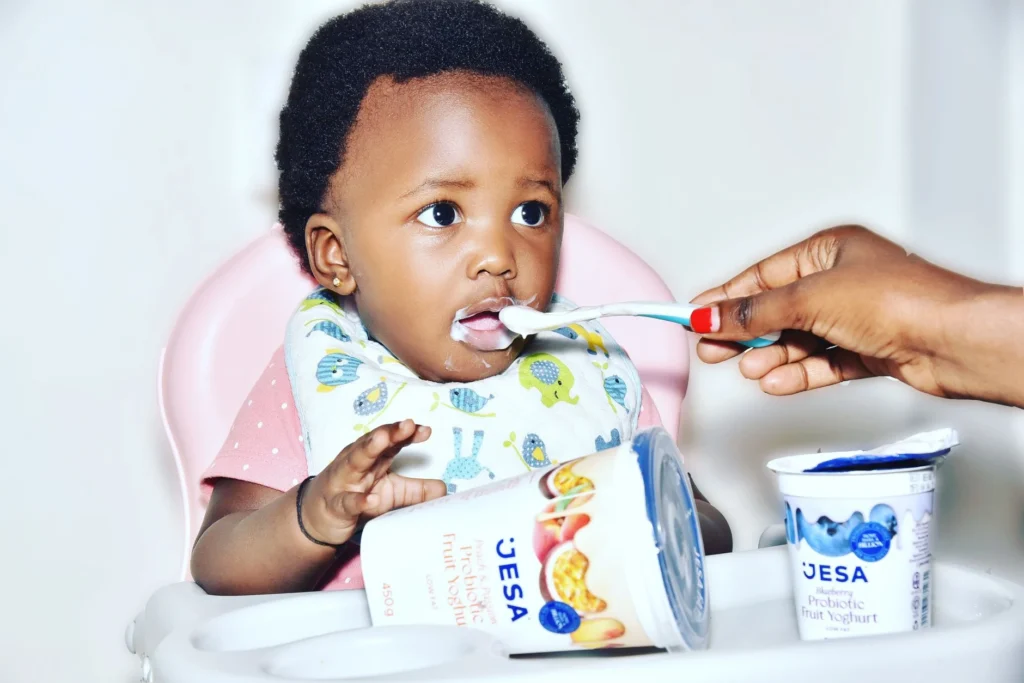
- Good head control: Your baby should be able to hold their head steady and upright.
- Sitting with support: They can sit comfortably in a high chair or infant seat with good trunk control.
- Loss of tongue-thrust reflex: This natural reflex pushes food out of their mouth. When it diminishes, they can keep food in their mouth and swallow it.
- Showing interest in food: They might watch you eat, lean forward, or even open their mouth when food is near.
- Swallowing, not just pushing out: They can move food from a spoon to the back of their mouth and swallow it rather than letting it dribble out.
It’s always a good idea to chat with your pediatrician about the best time for your baby to start solids. They can offer personalized advice.
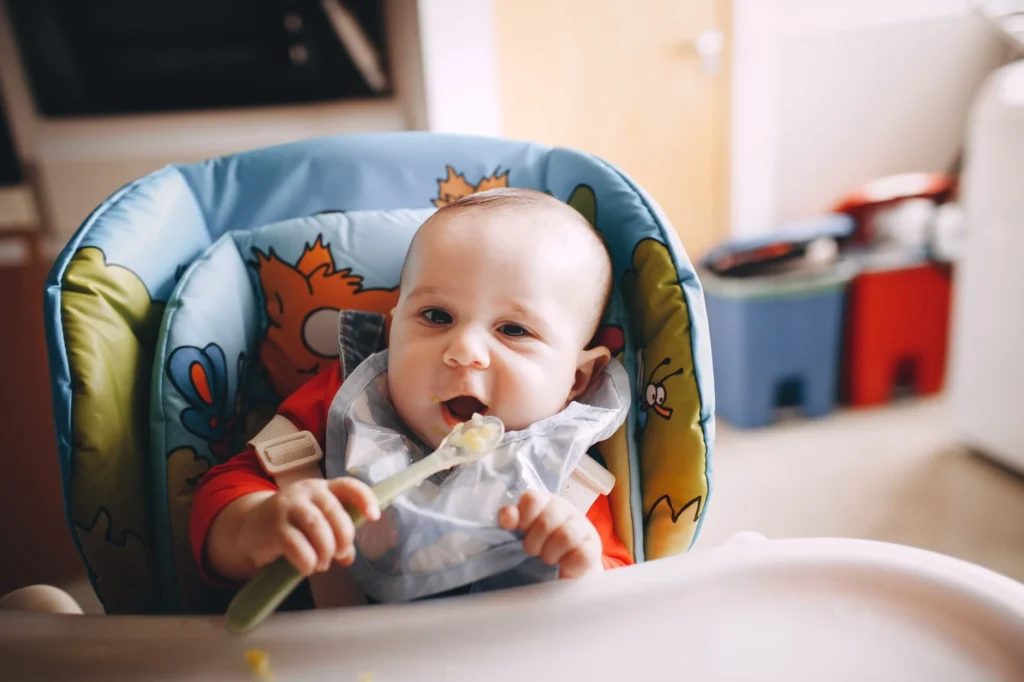
What Are Good First Foods?
When starting out, think simple and smooth. Single-ingredient purees are excellent choices. They allow you to introduce one taste at a time and easily identify any potential sensitivities. Here are some popular first food ideas:
- Iron-fortified infant cereals: Rice or oatmeal mixed with breast milk or formula are classic starting points.
- Pureed fruits: Soft fruits like banana, avocado, cooked apple, or pear (peeled and mashed/pureed).
- Pureed vegetables: Cooked sweet potato, squash, carrots, or green beans (peeled and mashed/pureed).
- Pureed meats: Finely pureed chicken, turkey, or beef can be a great source of iron.
Offer a very small amount at first – just a teaspoon or two – to see how your baby reacts. The goal is exploration, not necessarily a full meal.
How to Introduce Spoon-Feeding
Spoon-feeding is a skill for both you and your baby. Here’s how to make it a positive experience:
- Choose the right time: Offer solids when your baby is alert, happy, and a little hungry, but not starving or overly tired.
- Comfortable setup: Seat your baby upright in a high chair or booster seat, ensuring they are well-supported.
- Use the right tools: A soft-tipped baby spoon is gentle on their gums.
- Small amounts: Place a tiny bit of food on the spoon and offer it to your baby’s mouth. Don’t force it.
- Follow their cues: If your baby turns away, shakes their head, or keeps their mouth closed, they might not be hungry or interested right now. Respect their signals.
- Patience is key: Some babies take to solids immediately, while others need more time. It’s a learning process. Don’t worry if more food ends up on their face or the floor than in their tummy at first!
- Make it fun: Talk to your baby, describe the food, and enjoy this special bonding time.
Important Safety Notes for Starting Solids
When introducing new foods, safety is paramount. Keep these guidelines in mind:
- Introduce one new food at a time: Offer a single new food for 3-5 days before introducing another. This helps you identify if your baby has a reaction to a specific food. Watch for signs like rash, vomiting, diarrhea, or difficulty breathing.
- No honey under one year: Honey can contain spores that cause infant botulism, a serious illness, in babies under one.
- Avoid added salt and sugar: Babies’ kidneys can’t handle too much sodium, and added sugars aren’t necessary for their development. Keep food plain and natural.
- Prevent choking hazards: Always supervise your baby while they eat. Ensure foods are pureed, mashed, or cut into very small, soft pieces appropriate for their age. Avoid whole grapes, nuts, popcorn, chunks of meat, or hard candies.
- Allergy signs: If you notice any serious reactions like sudden hives, swelling of the face or tongue, or breathing difficulties, seek immediate medical attention. For milder concerns, contact your pediatrician.
Please remember: This information is for general guidance only and should not replace advice from your pediatrician or a qualified healthcare professional. Always consult your doctor before making significant changes to your baby’s diet, especially if there are concerns about allergies or existing health conditions.
Frequently Asked Questions
How much food should I offer at first?
Start with 1-2 teaspoons once a day. As your baby gets more comfortable, you can gradually increase the quantity and frequency to 2-3 small meals a day, following your baby’s hunger cues.
Does my baby need water with solids?
Small sips of water from a cup can be offered with solid meals, but breast milk or formula should remain their primary drink for their first year.
What if my baby doesn’t like a food?
It can take multiple tries for a baby to accept a new flavor. Don’t give up after the first refusal! Offer it again another day, perhaps mixed with a food they already enjoy. They may just need time to get used to it.
Images sourced from Pexels.