
Welcome to the third trimester! This is a significant milestone, marking the final stretch of your pregnancy journey. As you enter week 28, your baby is growing rapidly, and your body is preparing for the exciting arrival ahead. Let’s explore what you can expect during this special time.
What happens this week?

Your Baby’s Development
At 28 weeks, your baby is becoming more and more developed. Their eyes might open and close, and their brain is continuing to mature, forming intricate grooves and folds. Fat layers are accumulating under their skin, which will help keep them warm after birth. Your little one is also starting to practice breathing movements, though they’re still taking in amniotic fluid, not air. Many babies will begin to move into a head-down position around this time, getting ready for delivery.
Mom’s Body Changes
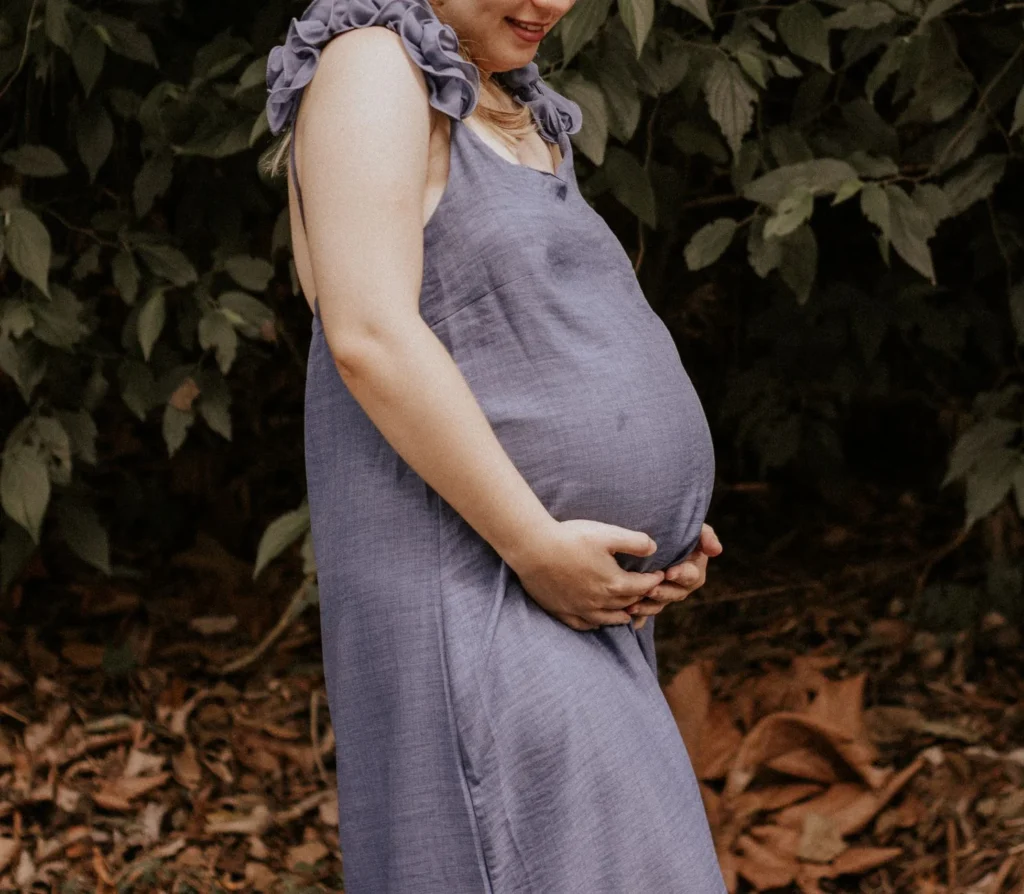
Your belly is growing considerably, and you might notice some new aches and sensations. Braxton Hicks contractions, often described as a tightening or hardening of your uterus, can become more frequent. These are usually irregular and painless, a sign that your body is getting ready for labor. Increased fatigue is common as your body works harder to support your growing baby. Swelling in your hands, feet, and ankles might appear – remember to elevate your legs when resting. You might also find yourself needing to use the restroom more often, as your baby presses on your bladder.

Tips for Mom
- Prioritize Rest: It’s okay to slow down. Listen to your body and take naps or simply rest when you feel tired. A comfortable sleeping position, perhaps with a pregnancy pillow, can make a big difference.
- Stay Hydrated: Drinking plenty of water is crucial. It helps prevent dehydration, which can sometimes trigger Braxton Hicks contractions, and supports your overall health.
- Gentle Movement: Continue with light exercises like walking or prenatal yoga if cleared by your healthcare provider. This can help with circulation and manage discomfort.
- Pelvic Floor Exercises: Kegels are your friend! Strengthening these muscles can aid in labor and recovery.
- Start Preparing: It’s a good time to think about your birth plan, research local birthing classes, and perhaps start a list for your hospital bag.
Simple Checklist
- Schedule your upcoming prenatal appointments.
- Discuss any concerns or questions with your healthcare provider.
- Consider enrolling in a childbirth or newborn care class.
- Start researching pediatricians for your baby.
- Begin thinking about and making a list for your hospital bag.
- Discuss postpartum support with your partner or support system.
Important Health Note
This information is for general guidance only and is not medical advice. Every pregnancy is unique, and you should always consult with your healthcare provider for personalized advice, diagnosis, and treatment. If you experience any concerning symptoms such as severe pain, bleeding, reduced fetal movement, persistent headaches, or changes in vision, contact your healthcare professional immediately.

FAQ
What is the third trimester?
The third trimester typically begins at week 28 of pregnancy and continues until your baby is born, around week 40. It’s a period of rapid growth for your baby and final preparations for labor and delivery for your body.
How often should I feel the baby move?
By 28 weeks, you should be feeling your baby move regularly. Many healthcare providers recommend ‘kick counting’ or being aware of your baby’s movement patterns. If you notice a significant decrease in your baby’s usual movements, it’s important to contact your healthcare provider right away.
Is it normal to feel more tired now?
Yes, increased fatigue is very common in the third trimester. Your body is working hard, carrying extra weight, and your metabolism is higher. Sleep might also be interrupted by discomfort, frequent trips to the bathroom, or an active baby. Prioritizing rest and gentle activity can help manage this.
Images sourced from Pexels.