
As your little one approaches 18 months, you’re likely noticing a surge in their independence, curiosity, and boundless energy. This age is a truly exciting time for development, marked by big leaps in physical ability, language, and social understanding. Play isn’t just fun; it’s how toddlers learn about the world around them, experiment with new skills, and express themselves.
What’s Happening Around 18 Months?
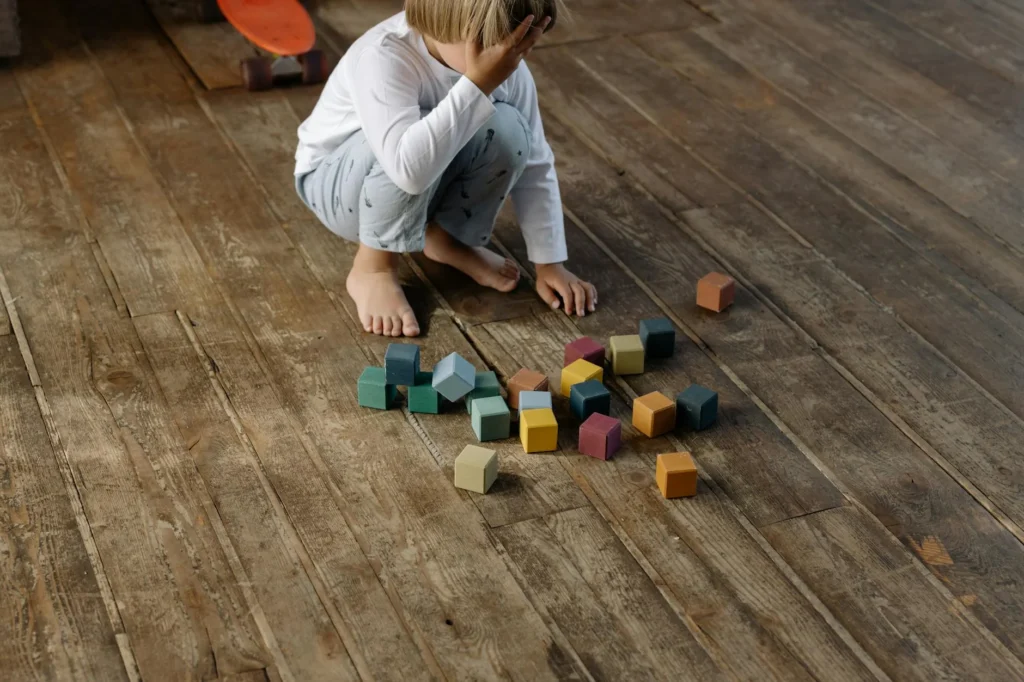
Around this age, toddlers are often busy exploring everything. They’re refining their walking and might even be running, climbing, and kicking a ball. Fine motor skills are also progressing, making stacking blocks and turning book pages more manageable. Language development is typically blossoming, with many toddlers saying more words and starting to combine them. Socially, they’re becoming more aware of others, though parallel play (playing alongside rather than directly with) is still common. Imitation is a huge part of their learning, so expect them to copy everything you do!
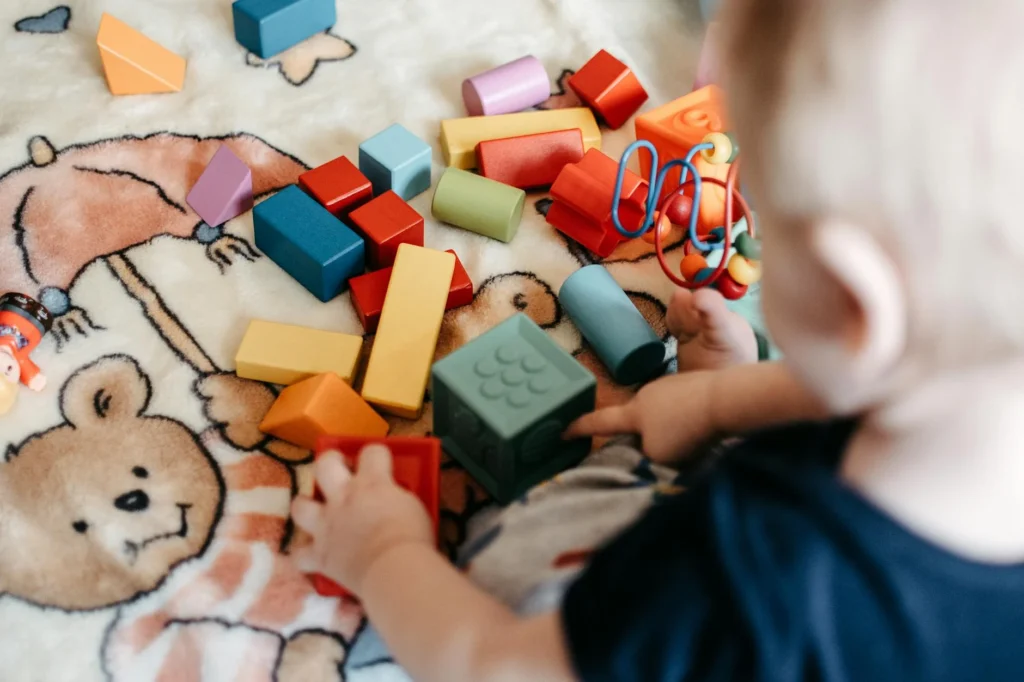
Why Play is Essential Now
Play is truly the work of childhood. For an 18-month-old, every game, every exploration, helps build crucial foundations. Through play, they develop problem-solving skills, improve coordination, strengthen language abilities, and learn about cause and effect. It fosters creativity, encourages self-expression, and is a fantastic way to bond with you. Simple, engaging play helps them make sense of their world and grow confidently.
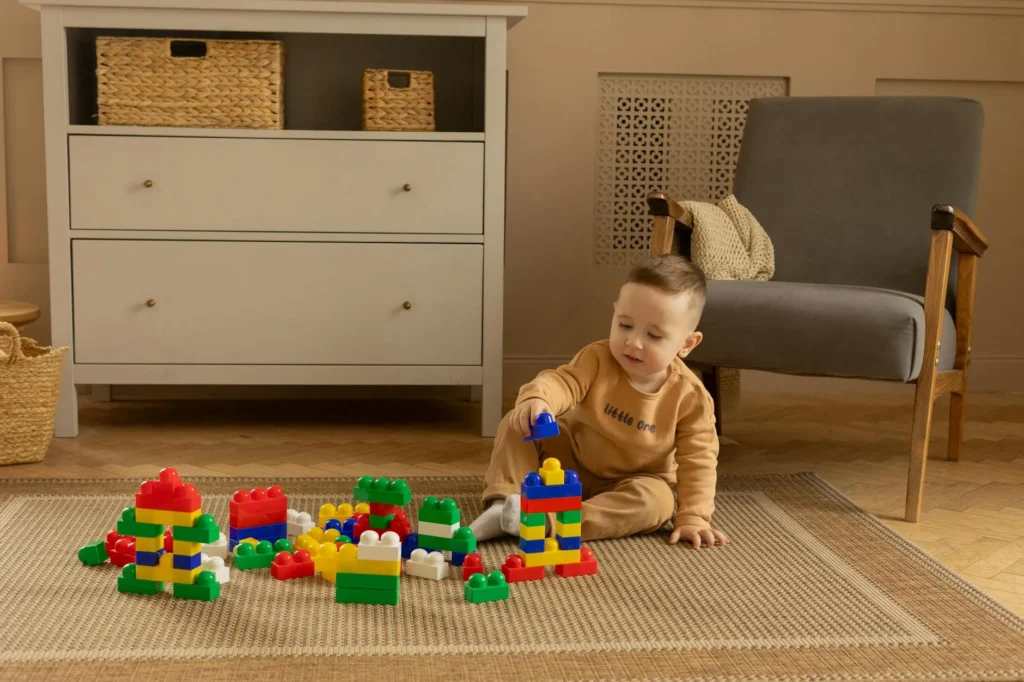
Engaging Play Ideas for Your Toddler
No need for fancy toys! Many wonderful play experiences can be created with everyday items and a little imagination. Here are some ideas to spark joy and learning:
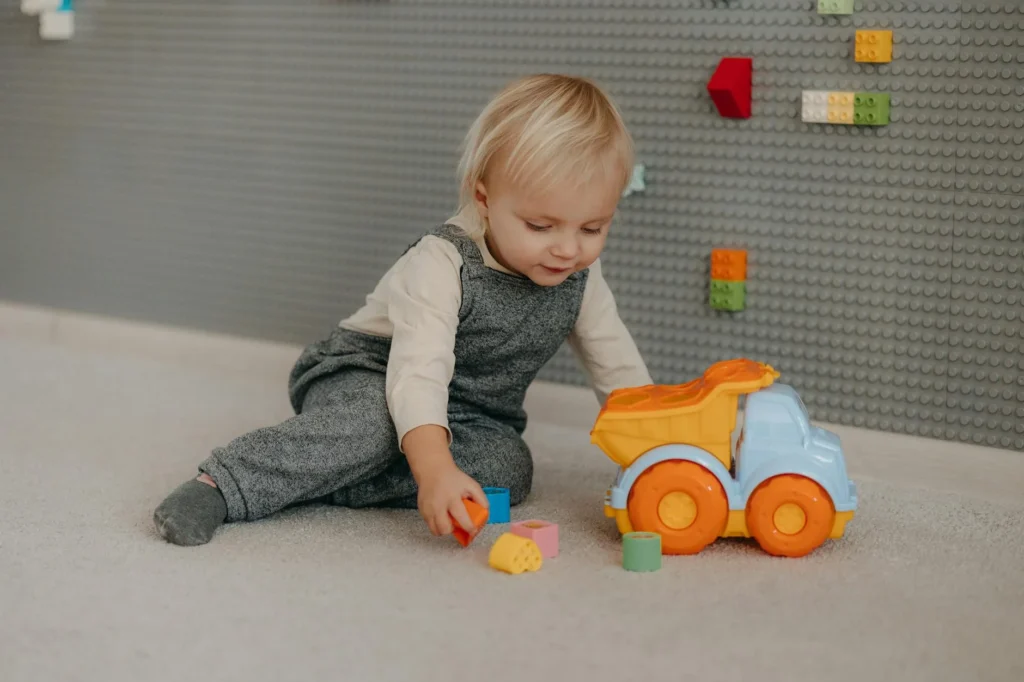
Sensory Adventures
- Water Play: Fill a shallow bin with a little water, add some plastic cups, spoons, and toy animals. Supervised water play is incredibly engaging.
- Messy Fun: Introduce safe, taste-safe playdough (made with flour, water, salt, oil, and food coloring) or kinetic sand. Let them squish, roll, and explore textures.
- Discovery Bins: Fill a bin with dried pasta, rice, or large beans (always supervised to prevent choking) and add scoops, cups, and small toys.
Gross Motor Fun
- Obstacle Course: Create a simple course with pillows to climb over, tunnels to crawl through, and blankets to run around.
- Dancing & Music: Put on some tunes and dance together! Encourage jumping, swaying, and clapping.
- Ball Games: Roll or gently toss a soft ball back and forth. This helps with coordination and turn-taking.
- Outdoor Exploration: Visit a local park for swings and slides, or simply explore your backyard. Point out leaves, flowers, and bugs.
Fine Motor & Cognitive Boosters
- Stacking & Building: Classic building blocks are fantastic for developing fine motor skills and understanding balance.
- Simple Puzzles: Chunky knob puzzles or shape sorters challenge their problem-solving abilities.
- Cause and Effect Toys: Toys that light up, make sounds, or pop up when a button is pressed are fascinating at this age.
- Reading Books: Read interactive board books with flaps or textures. Point to pictures and name objects.
Imaginative & Language Play
- Pretend Play: Provide toy phones, play food, dolls, or animal figures. Encourage them to “feed” a doll or “talk” on the phone.
- Nursery Rhymes & Songs: Sing songs with actions like “Wheels on the Bus” or “If You’re Happy and You Know It.”
- Copycat Games: Mimic their actions, and they’ll often mimic yours. This is great for social interaction and learning.
Making Play Safe and Fun
Safety is always paramount when it comes to toddler play. Always provide close supervision, especially during water play or with small objects. Ensure all toys are age-appropriate and free from choking hazards. Keep the play area clear of any dangerous items, and frequently check toys for damage. Remember, the goal is shared enjoyment and discovery!
When to Seek Guidance
Every child develops at their own pace, and there’s a wide range of “normal.” However, if you have any concerns about your toddler’s development, such as significant delays in walking, talking, or engaging with others, it’s always a good idea to chat with a healthcare professional. They can offer reassurance or suggest appropriate resources if needed.
This information is for general guidance only and is not a substitute for professional medical advice. Always consult with a qualified healthcare provider for any health concerns or before making any decisions related to your child’s health.
Images sourced from Pexels.