
Pacifiers can be a wonderful tool for soothing and comforting your little one. They offer relief during fussy moments and can help satisfy a baby’s natural sucking reflex. But like all baby items, keeping them clean and knowing when to replace them is crucial for your baby’s health and safety.
Who It Helps
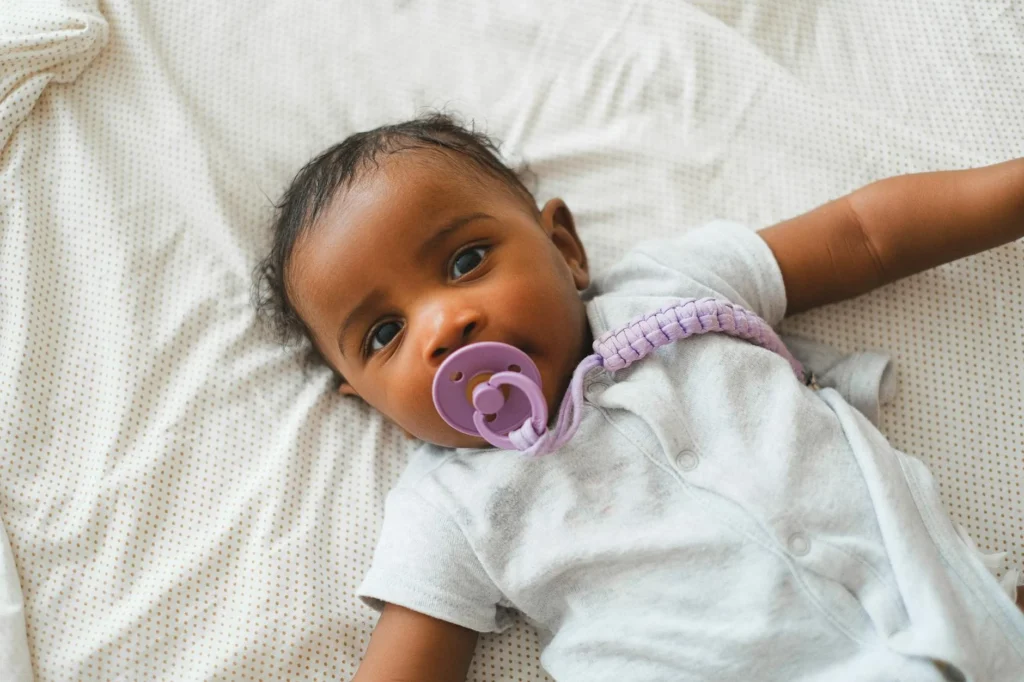
Pacifiers are designed to provide comfort and can be a great aid for self-soothing. They can help calm a crying baby, ease them into sleep, or simply provide contentment when they need it most. Many parents find them indispensable for managing their baby’s natural need to suck.
Selection Criteria (Briefly)
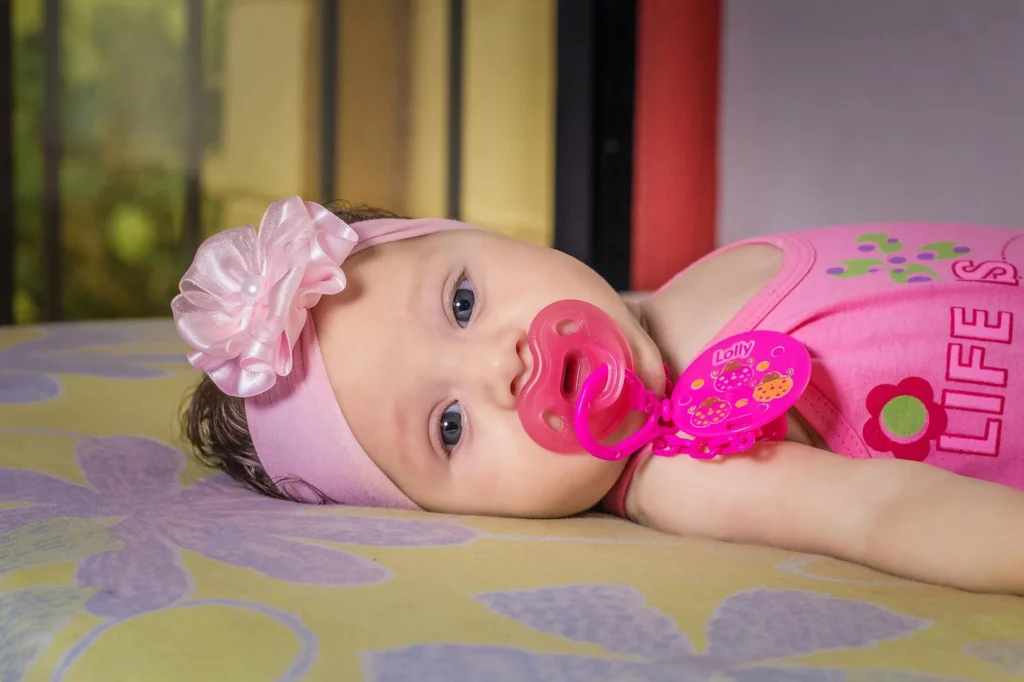
When choosing a pacifier, consider the material (silicone is common for its durability and ease of cleaning), shape (orthodontic, round, or flat), and size, ensuring it’s appropriate for your baby’s current age and developmental stage. Always choose a pacifier that meets safety standards and is free from BPA or other harmful chemicals.
Safety Checklist: Before Each Use
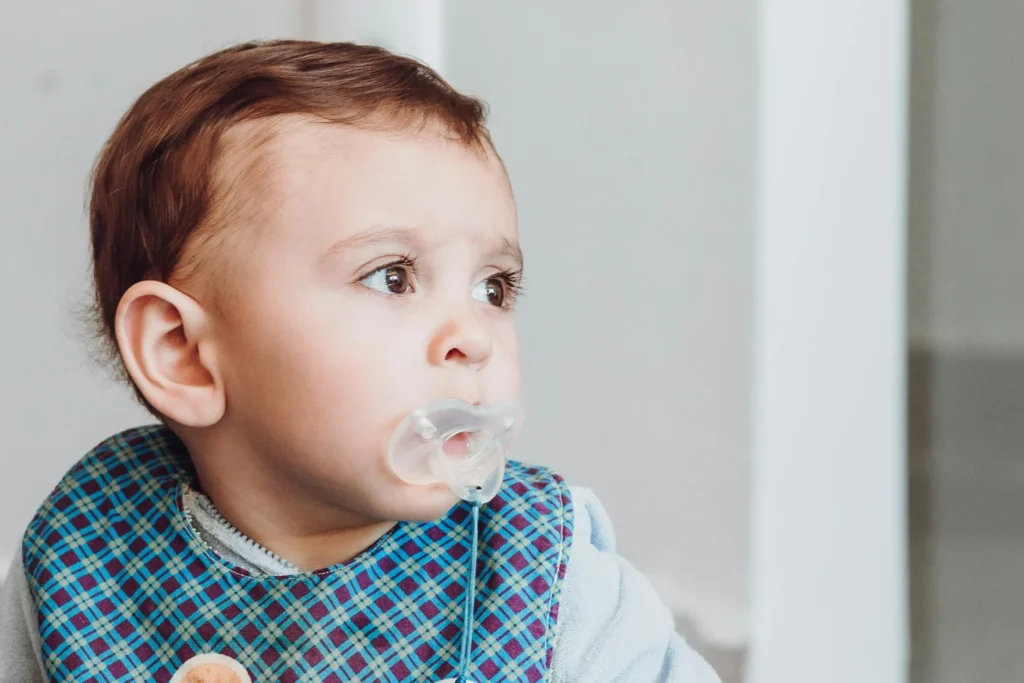
A quick inspection before offering a pacifier can prevent potential issues. Always check for:
- Any tears, cracks, or holes in the nipple or shield. Even tiny damage can indicate weakness.
- Discoloration or stickiness, which can be signs of material breakdown or aging.
- A secure handle or ring, ensuring it’s firmly attached and won’t detach.
- The correct size for your baby’s current age. A pacifier that’s too small for an older baby could pose a choking hazard.
If you notice any signs of wear, damage, or degradation, it’s time to replace the pacifier immediately.

Care and Cleaning: Keeping it Germ-Free
Proper hygiene is vital for preventing germ buildup and protecting your baby’s developing immune system.
Initial Cleaning
Before your baby uses a new pacifier for the very first time, it’s essential to sterilize it. You can do this by boiling it in water for five minutes, or by using a dedicated sterilizer according to the manufacturer’s instructions. Always allow it to cool completely before offering it to your baby.
Daily Cleaning
For routine cleaning, wash pacifiers frequently throughout the day with hot, soapy water. Use mild dish soap and a brush if needed. Rinse them thoroughly under running water to remove all soap residue. For newborns or babies with a developing immune system, more frequent sterilization might be recommended by your pediatrician.
Sterilization Methods
- Boiling: Place pacifiers in a pot of boiling water for 5 minutes. Ensure they don’t touch the bottom of the pot to prevent melting or damage.
- Steam Sterilizers: Electric or microwave sterilizers are convenient options. Always follow the device’s instructions carefully for proper sterilization.
- Dishwasher: Some pacifiers are dishwasher safe (usually on the top rack). Check the manufacturer’s guidelines, and consider using a small mesh bag to keep them secure.
Important Safety Note: Never clean a pacifier by putting it in your mouth. This can transfer germs, bacteria, and even your own oral bacteria (which can contribute to tooth decay in babies) from your mouth to your baby. If a pacifier falls on the floor, clean it properly or replace it with a clean one.
When to Replace Your Pacifier
Pacifiers don’t last forever, and regular replacement is key for both hygiene and safety.
- Every 1-2 Months: Most manufacturers recommend replacing pacifiers every one to two months, even if they appear to be in good condition. The materials can degrade over time, becoming less hygienic or more prone to breakage, which might not always be visible to the naked eye.
- Signs of Wear and Tear: Replace any pacifier immediately if you observe any of the following:
- Discoloration, swelling, or stickiness of the silicone or latex material.
- Any tears, holes, or cracks in the nipple or the plastic shield.
- Any part that seems loose, weak, or stretched out.
- Growth and Development: As your baby grows, you’ll need to move up to larger pacifier sizes. Using a pacifier that’s too small for an older baby can be a choking hazard, as the entire pacifier might fit into their mouth.
Common Questions About Pacifier Care
How often should I clean my baby’s pacifier?
For newborns, it’s a good idea to sterilize daily. For older babies, wash frequently throughout the day with soap and water, especially if it falls on the floor or is visibly dirty. Always clean before first use.
No, it’s best to have individual pacifiers for each child to prevent the spread of germs, bacteria, and potential infections. Sharing is not recommended for hygiene reasons.
What if my baby’s pacifier looks fine but is old?
Even if it appears to be in perfect condition, it’s wise to follow the manufacturer’s recommendation to replace it every 1-2 months. Material breakdown isn’t always visible, and an old pacifier might be weaker and more prone to damage.
Disclaimer: This information is for general knowledge and informational purposes only, and does not constitute medical advice. Always consult with a qualified healthcare professional for any health concerns or before making any decisions related to your baby’s health or care. If you notice any unusual changes in your baby’s health or behavior, please contact your pediatrician or another healthcare provider immediately.
Note: Totals vary by provider, region, and part quality.
Images sourced from Pexels.