
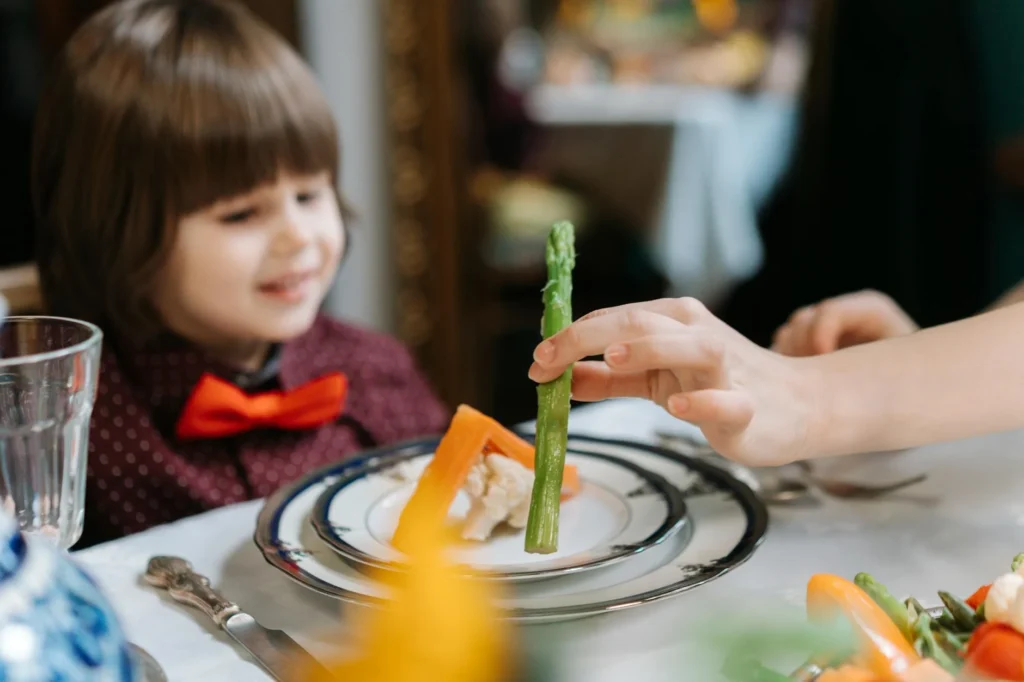
Around 33 months, toddlers are bundles of energy and curiosity. Sitting still can feel like an impossible task when there’s a whole world to explore! Meal times can sometimes turn into a battleground, with little ones eager to escape the high chair or booster seat. But with a few gentle, consistent approaches, you can help your toddler build positive habits for staying at the table.
It’s important to remember that a toddler’s attention span is naturally short. Expecting them to sit perfectly still for a long adult meal might be setting everyone up for frustration. Instead, focus on creating a relaxed atmosphere and clear, simple expectations.

Understanding Your Toddler’s Mealtime Energy
At this age, independence is a big theme. Your little one is constantly learning and asserting their will. They might want to feed themselves, choose what they eat (within limits!), or simply get down and play. These are all normal parts of their development. Understanding these natural urges helps you set realistic goals for table time.
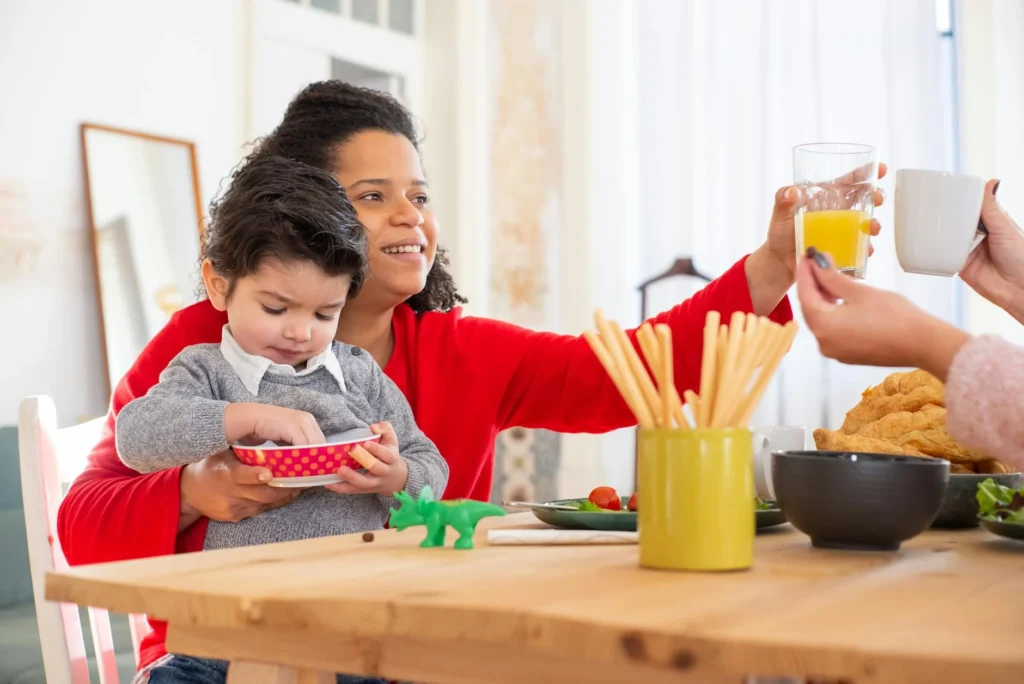
Their bodies are also built for movement. Sitting can feel restrictive, especially if they’ve just had a burst of active play. Short, structured mealtimes that allow for movement before and after can be very helpful.
Gentle Strategies for Staying at the Table
Set Clear, Simple Expectations
Consistency is key. Before sitting down, let your toddler know the plan. “It’s dinner time! We sit at the table to eat our food.” Establish a time limit, perhaps 15-20 minutes, especially for main meals. Use a gentle timer if it helps, so it’s the timer, not you, ending the meal.
Make Mealtime Engaging
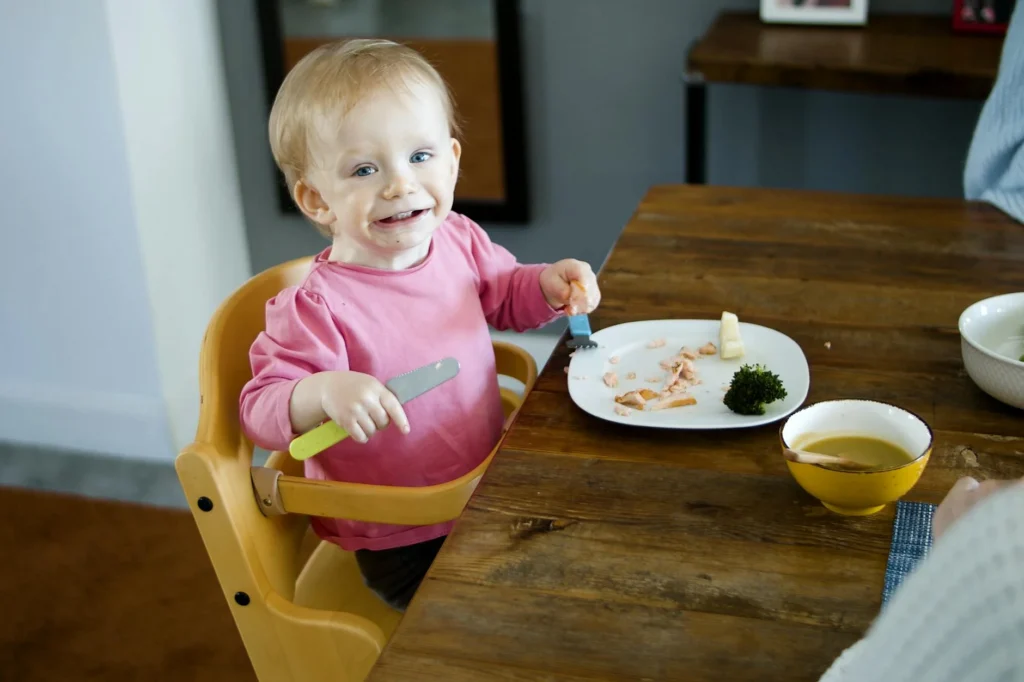
Involve your toddler in the process where appropriate. Let them help set the table with unbreakable items or choose a cup. During the meal, engage them in conversation. Talk about their day, the food on their plate, or something fun you’ll do later. Avoid screens during meals, as they can hinder conversation and mindful eating.
Create a Positive Atmosphere
Mealtime should be a pleasant family experience, not a power struggle. Offer a variety of healthy foods, but avoid pressuring your child to eat specific things or clear their plate. “You don’t have to eat it if you don’t want to, but this is what we’re having.” Celebrate small victories, like trying a new food or sitting for a few extra minutes.
Offer Choices and Boundaries
Toddlers thrive on a sense of control. You can offer choices like “Would you like water or milk?” or “Do you want peas or carrots with your dinner?” When they want to leave the table, offer a clear boundary: “You can choose to stay at the table and eat, or you can be done with your meal. If you get down, the meal is over.” Present this calmly, without anger.
The “Meal’s Over” Rule
If your toddler consistently tries to leave the table after a reasonable amount of time, gently remove them and clear their plate. Explain, “It looks like you’re all done. Mealtime is over now.” It’s crucial not to offer snacks or alternative meals immediately afterward. This helps them understand that meals are specific times for eating. They’ll learn to eat enough when food is available at the table.
When to Talk to a Professional
Most mealtime challenges are a normal part of toddler development and can be managed with consistent strategies. However, if you notice persistent concerns, it might be helpful to reach out to your pediatrician or a feeding specialist. These concerns could include:
- Significant fussiness or aversion to a wide range of foods.
- Your child seems to be losing weight or not growing well.
- Meal times are consistently highly stressful for everyone involved.
- You have strong concerns about specific food textures or eating behaviors.
Important Health Note
The information provided here is for general knowledge and informational purposes only, and does not constitute medical advice. Always consult with a qualified healthcare professional for any health concerns or before making any decisions related to your child’s health and well-being. For babies under one year, remember to never give honey due to the risk of infant botulism. When introducing new foods, do so one at a time to easily identify potential allergies. Avoid adding salt and sugar to foods, especially for young children.
Note: Totals vary by provider, region, and part quality.
Images sourced from Pexels.