
Ah, the 6-week mark! It’s a time of rapid development for your little one, and often, a phase where sleep can feel incredibly fragmented. If your 6-week-old seems to be taking nothing but 20-to-45-minute naps, leaving you wondering if they’re actually rested (or if you’ll ever finish a cup of coffee), you’re definitely not alone. Short naps are incredibly common for newborns, whose sleep cycles are still very immature.
It’s important to remember that every baby is unique, and newborn sleep is often unpredictable. The goal here isn’t perfection, but rather exploring gentle, realistic strategies that might encourage slightly longer, more restorative naps for your baby and give you a much-needed break.

Common Signs Your 6-Week-Old Might Be Taking Short Naps
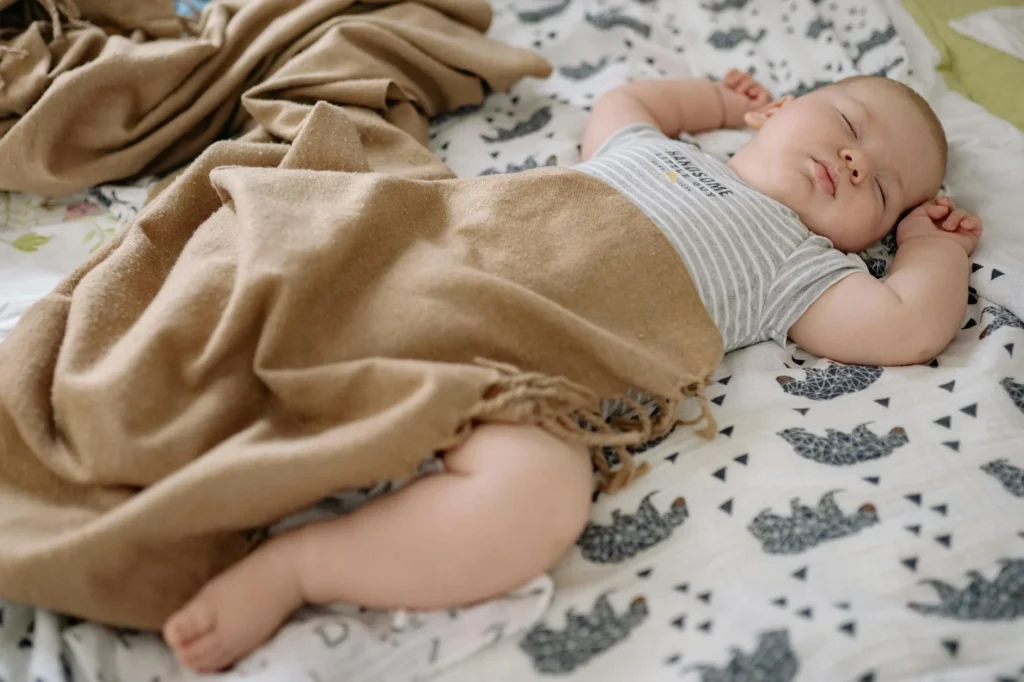
A typical newborn nap can range anywhere from 20 minutes to several hours. For many parents, a ‘short nap’ at this age usually means naps consistently lasting under 45 minutes. You might notice your baby:

- Waking up fussy or still tired after a nap.
- Having very brief awake windows (e.g., 45-60 minutes) before showing sleep cues again.
- Struggling to connect sleep cycles, waking abruptly.
Tiny Habits That Can Help Nudge Longer Naps
While we can’t force a baby to sleep longer, we can create an environment and routine that supports it. Consistency is often key, even when progress feels slow.
Optimize the Sleep Environment
Newborns are sensitive to their surroundings. Think ‘cave-like’ for naps:
- Darkness: Use blackout curtains to make the room as dark as possible, signaling to your baby’s body that it’s time for sleep, regardless of the time of day.
- Cool Temperature: Keep the room cool, between 68-72°F (20-22°C). Overheating can disrupt sleep.
- White Noise: A continuous, low-level white noise machine can mimic the sounds of the womb and help block out household disturbances.
Watch for Sleep Cues
At 6 weeks, awake windows are still very short, typically 45 to 60 minutes. Missing those early sleep cues can lead to an overtired baby, which paradoxically makes it harder for them to fall asleep and stay asleep.

- Look for yawning, rubbing eyes, staring into space, decreased activity, or even a subtle redness above the eyebrows.
- Act quickly! As soon as you see these signs, start your nap routine.
The “Wake Window” Sweet Spot
This goes hand-in-hand with sleep cues. If you wait until your baby is inconsolable and furiously rubbing their eyes, they’ve likely gone past their sweet spot. Aim to put them down for a nap shortly after their awake window closes, often around 45-60 minutes after they last woke up.
Drowsy But Awake (Sometimes)
This is a big ask for a 6-week-old, and frankly, it doesn’t work for every baby at this age. But if you have a moment where your baby is calm and sleepy but not fully asleep, try placing them down in their bassinet or crib. Don’t stress if it doesn’t work; contact naps are often more realistic and just as beneficial for development at this stage.
Contact Naps Are Okay (and often necessary!)
Many newborns find comfort and security sleeping on a parent. If your baby consistently takes longer naps while being held, embrace it when you can. This is a temporary phase, and the closeness is good for both of you. Safety first: if you’re sleeping while holding your baby, ensure you’re in a safe, designated sleep space.
Naptime Routine
A simple, consistent routine before naps helps signal to your baby that sleep is coming. This could be as short as 5-10 minutes:
- Changing their diaper.
- Swaddling them (if they aren’t showing signs of rolling yet).
- Rocking or feeding them until they are drowsy.
- Saying a consistent phrase, like “time for sleep, little one.”
Consider a Swaddle
If your 6-week-old isn’t showing signs of rolling over, a swaddle can be a game-changer. It helps prevent their startle reflex from waking them up, keeping them feeling snug and secure like they were in the womb.
Common Mistakes That Can Sabotage Naps
Sometimes, unintentionally, we might do things that make short naps more likely:
Missing Sleep Cues
As mentioned, pushing your baby past their optimal awake window is one of the biggest nap disruptors. An overtired baby often struggles more with falling asleep and staying asleep.
Overstimulating Before Naptime
Bright lights, loud noises, or vigorous play right before you want them to sleep can make it harder for your baby to wind down. Aim for calm, quiet activities as naptime approaches.
Expecting Perfection
Newborn sleep is simply not linear or predictable. There will be good days and challenging days. Don’t blame yourself if things don’t go according to plan; you’re doing a great job navigating a very fluid situation.
Forgetting About Hunger
At 6 weeks, babies are often going through growth spurts and require very frequent feedings. Sometimes, a short nap is simply a sign that your baby is hungry and ready for another feed. Always offer a feeding if you suspect hunger might be the culprit for a short wake-up.
When to Talk to a Professional
While short naps are very common and usually not a cause for concern in a generally healthy baby, it’s always wise to consult with a healthcare professional if you have any worries. This information is for general guidance only and is not a substitute for professional medical advice.
You should contact your pediatrician if:
- Your baby seems excessively sleepy or lethargic, even after waking.
- They are not feeding well or having adequate wet/dirty diapers.
- You have concerns about their overall development or health.
- Your baby is constantly fussy and difficult to soothe, regardless of sleep or feeding.
- Your own exhaustion is significantly impacting your well-being or ability to care for your baby.
Your pediatrician can offer personalized advice and rule out any underlying issues. Remember, you’re learning together, and there’s no shame in seeking support!
Note: Totals vary by provider, region, and part quality.
Images sourced from Pexels.