
Bathing a baby is a precious ritual, a chance for skin-to-skin connection, gentle cleansing, and often, sweet giggles. A good baby bathtub can make this experience smoother, safer, and more enjoyable for both you and your little one. But with so many options, how do you choose? And what are the essential safety rules to keep in mind?
Who It Helps
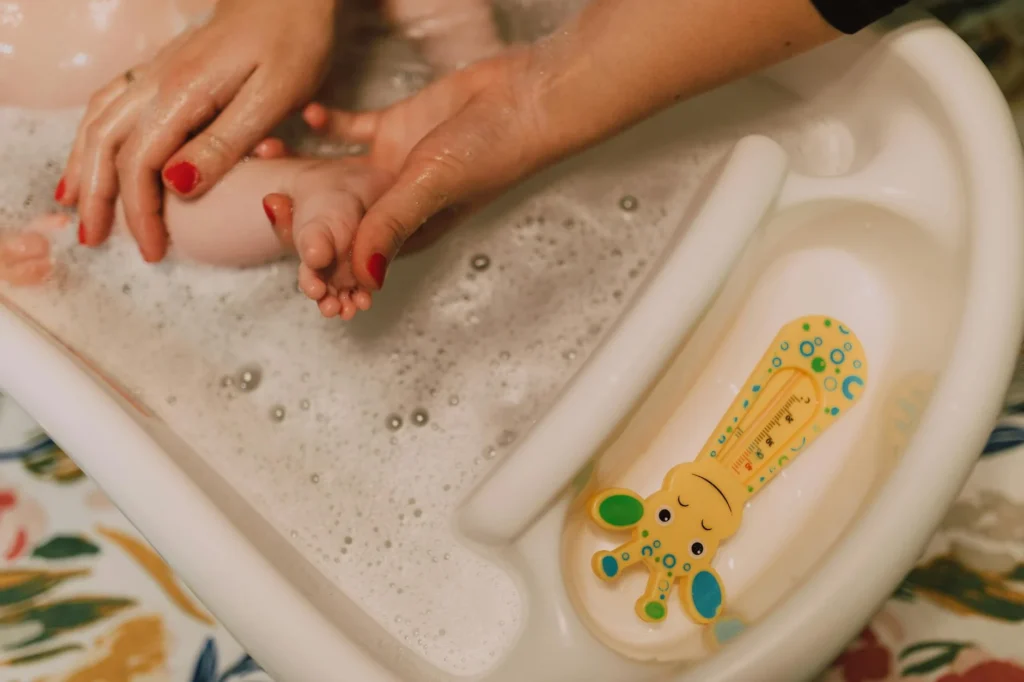
Baby bathtubs are a fantastic aid for new parents, especially during those early weeks when holding a slippery newborn can feel a bit daunting. They’re designed to provide support for your baby, freeing up your hands for washing. If you have a larger main bathtub that’s tough to kneel beside, or a shower-only bathroom, a portable baby tub can be a lifesaver. They also help conserve water compared to filling a large tub, and can be particularly helpful for parents recovering from childbirth.
Selection Criteria: Finding the Perfect Tub
When you’re looking for a baby bathtub, consider what will work best for your space, your baby’s age, and your own comfort.
Age and Stage Appropriateness
Some tubs are designed specifically for newborns, offering a reclined position, while others are better for older babies who can sit up. Convertible tubs grow with your child, often starting with an infant sling or insert and then adapting as they get bigger.
Comfort and Support
Look for tubs with non-slip surfaces, a comfortable recline, and contoured designs that cradle your baby safely. Soft padding or a fabric sling can add extra comfort for tiny newborns.
Size and Storage
Think about where you’ll use and store the tub. If space is tight, a foldable or collapsible tub might be ideal. Some tubs fit inside a kitchen sink, which can save your back from bending too much.
Drainage and Cleaning
An easy-to-use drain plug is a must for quickly emptying the tub. Smooth, non-porous materials are easiest to clean and prevent mold buildup.
Durability and Materials
Choose a tub made from sturdy, BPA-free plastic. It should feel robust and not flimsy, ensuring it can safely hold your baby and water.
Additional Features
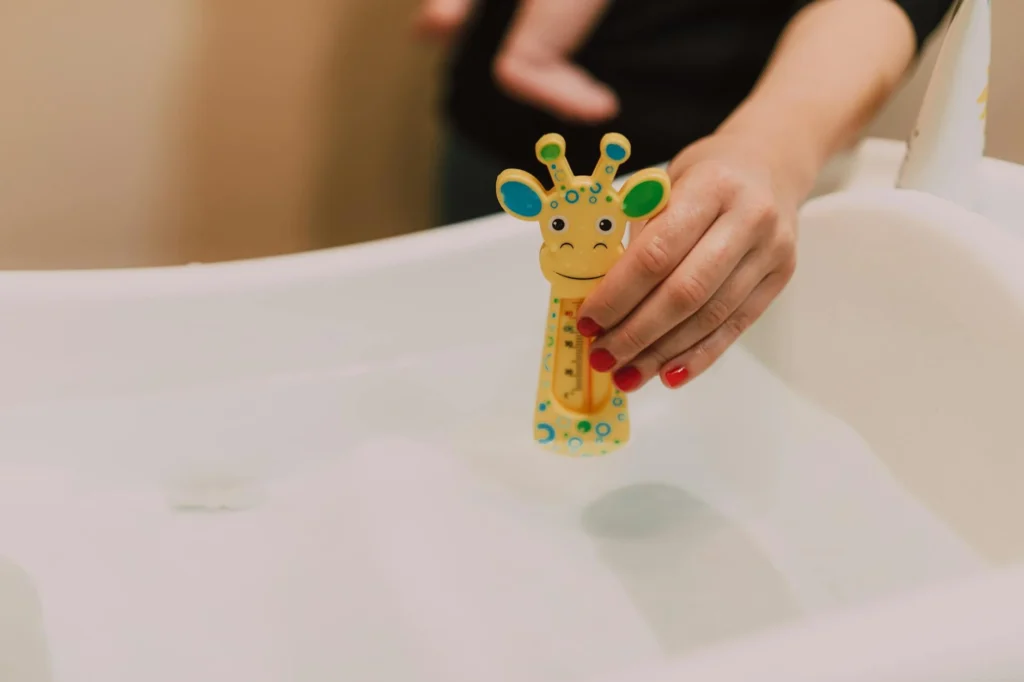
Some tubs come with temperature indicators, built-in storage for soap, or even rinse cups. While not essential, these can be nice conveniences.
Safety Checklist for Bath Time
Bath time should be fun and safe. Following these guidelines is crucial every single time.
General Information Disclaimer: The following information is for general guidance only and is not a substitute for professional medical advice. Always consult with a healthcare professional for specific concerns about your child’s health and safety.
Never Leave Your Baby Unattended
This is the golden rule. Even for a second, to grab a towel or answer the door, do not leave your baby alone in the tub. If you must leave, wrap your baby in a towel and take them with you.
Prepare Everything in Advance
Before you even bring your baby into the bathroom, have all your supplies ready: a towel, washcloth, baby soap/shampoo, and clean clothes. This prevents needing to step away.
Test the Water Temperature
Use a bath thermometer or your elbow/wrist to check the water. It should feel warm, not hot – ideally around 90-100°F (32-38°C). A good rule of thumb is to fill the tub with cold water first, then add hot water.
Mind the Water Level
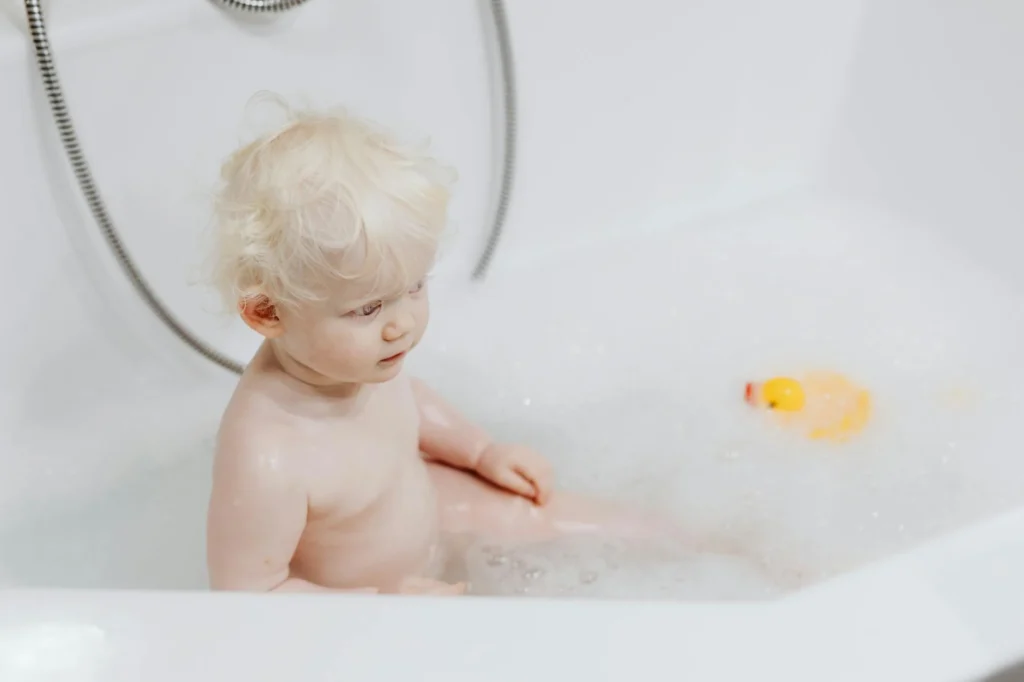
For newborns and infants, only fill the tub with 2-3 inches of water, or just enough to cover their bottom. For older babies who can sit up, the water should reach their waist when sitting.
Secure a Non-Slip Surface
Whether it’s the tub itself or an insert, ensure your baby is stable and won’t slip down into the water. Never place a baby tub on a raised surface where it could fall.
Supervise Constantly
Keep one hand on your baby at all times. Be aware of their movements and reactions, especially as they get older and more active.
Install Childproof Locks
Once your baby starts to crawl, ensure toilet lids are down and latched, and bathroom doors are secured to prevent unsupervised access to water.
Care and Cleaning
Keeping your baby’s bathtub clean is simple but important to prevent mold and mildew.
Rinse After Each Use
After bathing, empty the tub and rinse it thoroughly with clean water to remove any soap residue or bath toy gunk.
Wipe Down and Dry
Use a clean cloth or sponge to wipe down the tub, then allow it to air dry completely before storing. Good airflow prevents mildew.
Regular Deep Clean
Every week or two, give the tub a deeper clean with a mild soap or vinegar solution to sanitize. Avoid harsh chemicals that could irritate your baby’s sensitive skin.

Frequently Asked Questions
When can my baby use a regular bathtub?
Most babies can transition to a regular bathtub when they can sit up unassisted, usually around 6-8 months old. Even then, an anti-slip mat and constant supervision are essential.
How often should I bathe my baby?
For newborns, 2-3 times a week is often sufficient, focusing on cleaning the diaper area and skin folds daily. Older babies might enjoy more frequent baths, but daily bathing isn’t necessary and can dry out their skin. Observe your baby’s skin and adjust as needed.
What’s the best way to keep my baby warm during bath time?
Ensure the bathroom is warm, and the water is a comfortable temperature. Keep baths relatively short, especially for newborns. Have a warm towel ready immediately after lifting them out of the water.
Note: Totals vary by provider, region, and part quality.
Images sourced from Pexels.