
Exploring Their World: Safety at 46 Weeks
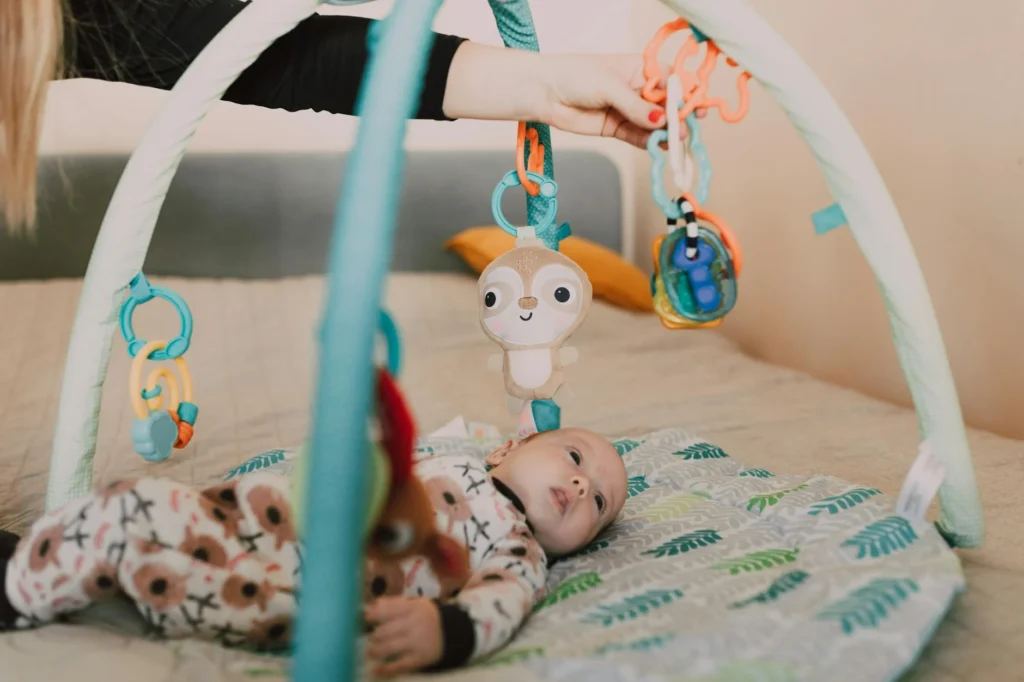
At 46 weeks old, your baby is a true explorer! They’re likely on the move – crawling, cruising, pulling up, and using their newfound mobility to investigate everything. Every object is a potential toy, and their primary way of exploring is often putting things right into their mouth. This exciting developmental stage means that toy safety, especially concerning small parts and cords, becomes more critical than ever.
Why Toy Safety is Crucial Right Now
Your little one is developing fine motor skills and hand-eye coordination rapidly, making them adept at picking up even tiny objects. Their natural curiosity means anything within reach is fair game for exploration, which often includes a taste test. Understanding potential hazards can help you create a safe play environment.

The Choking Hazard: Small Parts
Small parts pose a significant choking risk for babies and toddlers. If an object can fit entirely into your baby’s mouth, it’s a hazard. This isn’t just limited to actual toy pieces; it includes household items, loose buttons, magnets, and even pieces that break off larger toys. A common way to test for this is the ‘toilet paper roll test’: if an item can pass through the cardboard tube of a toilet paper roll, it’s generally considered too small for babies under three years old.

- Look out for: Detachable eyes, noses, or buttons on plush toys; tiny wheels or accessories on vehicles; small blocks; game pieces; batteries (especially button batteries); and anything that could break off a larger toy.
- Regular checks: Periodically inspect all toys for signs of wear and tear, cracks, or loose components that could become small parts.
The Strangulation Risk: Cords and Strings
Cords, ribbons, and strings, even seemingly innocent ones, can be a serious strangulation hazard for curious babies. They can wrap around a baby’s neck surprisingly quickly, cutting off air supply. This risk extends beyond toys to window blind cords, clothing drawstrings, and even mobile attachments.

- Toy cords: Any cord or string on a toy should be shorter than 12 inches (approximately 30 cm) to minimize the risk of strangulation. Avoid toys with long loops or ribbons.
- Mobiles and play gyms: Ensure any hanging elements on mobiles or play gyms are well out of reach once your baby can push up, crawl, or stand. Remove them entirely once your baby is able to get on hands and knees or reach for them.
- Blind cords: Keep window blind and curtain cords well out of reach. Consider cordless alternatives or safety devices to secure cords.
- Clothing: Be mindful of drawstrings on baby clothing, especially around the neck or hood area.
Your Toy Safety Checklist for a 46-Week-Old
Creating a safe play space involves routine checks and mindful choices. Here’s a quick checklist to help you keep playtime safe:
- The Toilet Paper Roll Test: Can the toy or any part of it fit inside a toilet paper roll? If yes, put it away for later.
- Cords and Strings: Are all cords and strings on toys or in the play area shorter than 12 inches? Are they securely attached?
- Wear and Tear: Inspect toys for cracks, splinters, loose parts, sharp edges, or peeling paint.
- Battery Safety: Ensure all battery compartments are securely fastened, preferably with screws that require a tool to open.
- Magnets: Keep small, powerful magnets (often found in building sets or magnetic toys) away from babies. If swallowed, they can be extremely dangerous.
- Age Recommendations: Pay attention to the age recommendations on toy packaging. They are there for safety, not just developmental suitability.
- Supervision: Even with the safest toys, active supervision is your best safety tool. Always keep an eye on your exploring baby during playtime.
- Broken Toys: Discard or repair any broken toys immediately.
When to Consult a Professional
If you suspect your baby has swallowed a small object, or if you notice any unusual symptoms after playtime, contact your pediatrician or emergency services immediately. Err on the side of caution when it comes to your child’s safety.
Important Disclaimer
The information provided here is for general educational purposes only and is not intended as a substitute for professional medical advice. Always consult with a qualified healthcare professional for any health concerns or before making any decisions related to your child’s health and well-being. In case of an emergency, seek immediate medical attention.
Note: Totals vary by provider, region, and part quality.
Images sourced from Pexels.