
Why Make Cleanup a Game?
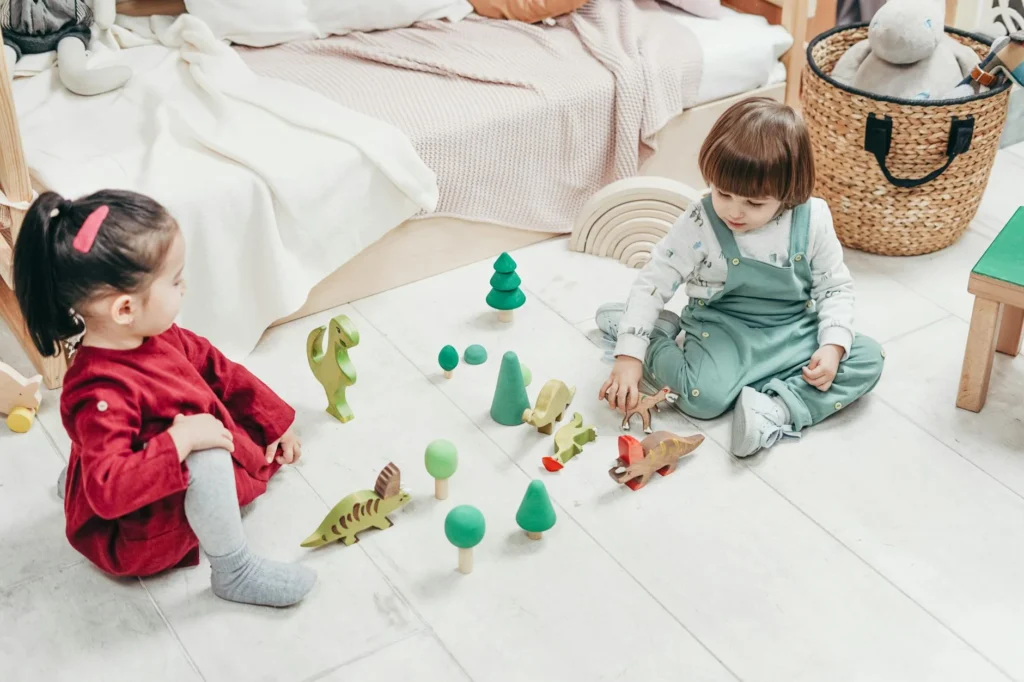
At 28 months, your toddler is a whirlwind of curiosity and energy. They’re learning so much every day, from new words to figuring out how the world works. While playing is paramount for their development, tidying up can feel like a chore for little ones (and sometimes for us!). By transforming cleanup into a game, you can make it less of a battle and more of a bonding experience.
Building Good Habits Early
Introducing cleanup as a fun activity helps instill a sense of responsibility and order from a young age. It teaches them that putting things away is a natural part of playing, not a punishment. This foundation can be incredibly valuable as they grow.
Fostering Cooperation
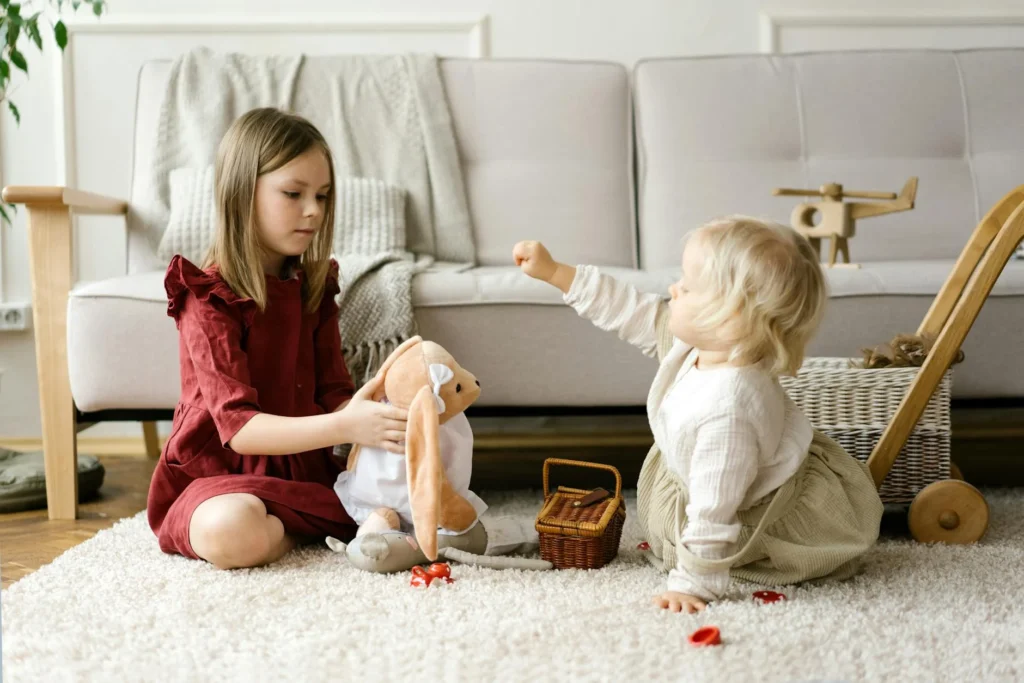
When cleanup feels like a shared game, toddlers are much more likely to cooperate. It shifts the dynamic from ‘you must do this’ to ‘let’s do this together!’ This encourages teamwork and helps them feel like an active participant, boosting their sense of capability.
Playful Cleanup Game Ideas for Toddlers
Here are some fun ways to turn tidying up into a delightful game for your 28-month-old.
The “Color Sort” Game
Pick a color and challenge your toddler to find all the toys of that color. “Let’s find all the red cars and put them in the red bin!” Or assign a bin to a color: “Can you put all the blue blocks into the blue basket?”
“Basket Toss” Challenge
Place a laundry basket or toy bin a short distance away and encourage your toddler to toss soft toys or blocks into it. Make it silly! Count how many they get in, or cheer loudly for each successful “goal.”
“Sleepy Toys” Routine
When it’s time to clean up, announce that the toys are getting sleepy and need to go “to bed.” For example, “Oh look, the blocks are so tired, let’s tuck them into their block box!” You can even make sleepy noises or give a gentle pat to each toy as it goes into its spot.
“Musical Cleanup”
Put on some lively music! Challenge your toddler to clean up as many toys as they can before the song ends. When the music stops, everyone freezes. When it starts again, they resume cleaning. This adds an element of excitement and a clear endpoint.
“Counting Game”
Make cleanup a math lesson! “Let’s count how many stuffed animals we can put away. One, two, three!” Or challenge them to find a specific number of items: “Can you find three yellow ducks and put them in the tub?”
Tips for Cleanup Success
To keep the cleanup games enjoyable and effective, consider these practical tips.
Keep it Short and Sweet
Toddlers have short attention spans. Aim for 5-10 minute cleanup sessions. If there’s a lot to do, break it down into smaller tasks or do a little bit at a time throughout the day.
Model the Behavior
Children learn by watching. Join in the cleanup! Show enthusiasm and make it clear that you’re part of the team. This also sets a good example for shared responsibility.
Praise Effort, Not Perfection
Focus on your toddler’s participation and effort rather than demanding a perfectly tidy room. “Wow, you put so many blocks away! Great job!” Acknowledging their work encourages them to try again next time.
Be Consistent
Integrate cleanup into your daily routine. Perhaps it’s before a meal, before naptime, or before heading out. Predictability helps toddlers understand expectations and feel more secure.
Limit Toy Overload
A room overflowing with toys can be overwhelming. Consider rotating toys, keeping some stored away and bringing them out periodically. This can make cleanup feel less daunting and also makes older toys feel new again.
When to Adjust Your Approach
Every child is unique, and some days are harder than others. Don’t worry if a game doesn’t land perfectly every time.
Understanding Frustration
If your toddler is showing significant resistance or meltdowns during cleanup, take a step back. Are they tired? Hungry? Overwhelmed? Sometimes, a cuddle or a break is needed before trying again. Keep expectations realistic for their developmental stage.
Making it Age-Appropriate
Ensure the tasks are suitable for a 28-month-old. Too complex, and they’ll get frustrated; too simple, and they might get bored. Observe your child’s abilities and interests to tailor the games.
Seeking Professional Guidance
While general information is helpful, remember that this content is for informational purposes only and is not medical advice. If you have significant concerns about your child’s developmental milestones, consistent defiance, or a pattern of extreme frustration that seems beyond typical toddler behavior, it’s always wise to consult with your pediatrician or a child development specialist. They can offer personalized insights and support.
Note: Totals vary by provider, region, and part quality.
Images sourced from Pexels.