
Your 40-Week-Old Baby: A Celebration of Unique Milestones

As your little one reaches the 40-week mark, you’re just shy of a whole year with them! This is an exciting time, often filled with bursts of new skills and personality. It’s easy to get caught up comparing your baby’s journey to others you see, whether online or among friends. But remember, every baby is on their own unique timeline. The real joy comes from celebrating your baby’s individual progress and cherishing each precious step they take.
Please note: The information provided here is for general knowledge and informational purposes only, and does not constitute medical advice. Always seek the advice of a qualified healthcare professional for any questions you may have regarding a medical condition or your baby’s health and development.
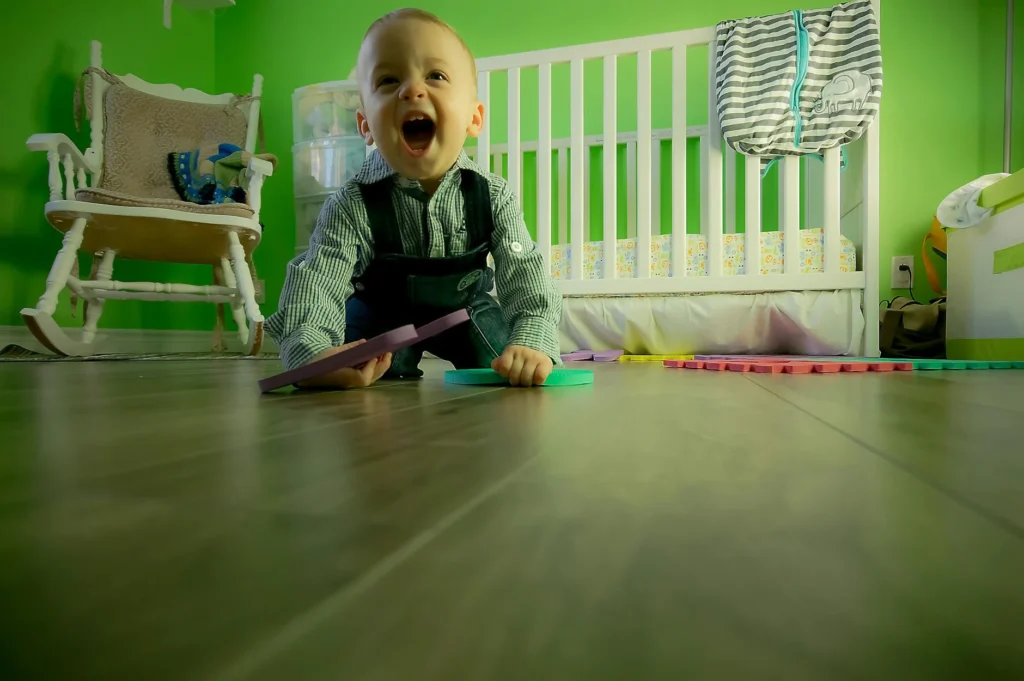
What Changes Now?
Around 40 weeks (roughly 9.5 to 10 months old), many babies are busy exploring their world in new ways. You might see them becoming more mobile, perfecting their crawl, pulling themselves up to stand, or even cruising along furniture. Communication skills are booming too; expect lots of babbling, possibly some gestures like waving or clapping, and perhaps even a first word or two! They’re observing everything, trying to imitate sounds and actions.

Cognitively, object permanence is often well established, meaning they understand things still exist even when they can’t see them (hello, peek-a-boo!). They’re also figuring out cause and effect, which makes playtime incredibly engaging.
Sleep at 40 Weeks
Sleep patterns for a 40-week-old can vary wildly. Many babies at this age are still taking one or two naps during the day and sleeping for a longer stretch at night, though night wakings are still common. Growth spurts, new developmental leaps, or even separation anxiety can temporarily disrupt sleep routines. Consistency is your best friend here: a predictable bedtime routine, a dark and quiet sleep space, and plenty of opportunities for active play during the day can all contribute to better rest for everyone.
Feeding Adventures
At 40 weeks, solid foods are a significant part of your baby’s diet, but breast milk or formula remains their primary source of nutrition. Your baby might be showing more interest in feeding themselves with finger foods, practicing their pincer grasp to pick up small pieces. Offer a variety of textures and tastes, focusing on nutrient-dense options like soft fruits, cooked vegetables, and proteins.
Important Feeding Safety Notes:
- No honey: Never give honey to a baby under one year of age due to the risk of infant botulism.
- Avoid salt and sugar: There’s no need to add salt or sugar to your baby’s food, especially before their first birthday. Their kidneys aren’t fully developed to process excess sodium, and sugar offers no nutritional benefit.
- Introducing new foods: When introducing new foods, offer them one at a time and wait a few days before introducing another new food. This helps you identify potential allergies or sensitivities. Always be aware of choking hazards; ensure food is cut into small, manageable pieces appropriate for your baby’s chewing ability.
Play & Development
This is a wonderfully interactive period! Encourage gross motor skills by providing a safe space for crawling, pulling up, and cruising. Floor time is essential. For fine motor skills, offer toys that can be picked up, put into containers, or stacked. Think soft blocks, stacking cups, or chunky puzzles.
Socially, your baby might be more aware of strangers and could experience separation anxiety, which is a normal part of their development. Respond with comfort and reassurance. Engage in lots of conversation, singing, and reading together to boost language development. Remember, the goal isn’t to hit a specific milestone by a certain date, but to provide a loving and stimulating environment where your baby can thrive at their own pace.
Practical Tips for Parents
- Childproofing: With increased mobility, a thorough childproofing sweep is crucial. Think gates for stairs, securing furniture, covering outlets, and storing hazardous items out of reach.
- Encourage independence: Let your baby try to feed themselves, pick up toys, or choose which book they want to ‘read’. Small acts of independence build confidence.
- Prioritize your well-being: Caring for a rapidly developing baby is demanding. Make sure you’re taking moments for yourself, resting when you can, and leaning on your support system. A happy parent makes for a happy baby.
- Embrace the uniqueness: Resist the urge to compare your baby to others. Every child is a marvel in their own right, and their individual journey is what makes them special. Celebrate their small victories and trust your instincts as a parent.
When to Talk to a Professional
While every baby develops at their own pace, it’s always wise to discuss any concerns with your pediatrician. Contact your healthcare professional if your 40-week-old baby:
- Isn’t trying to bear weight on their legs when supported.
- Shows no interest in reciprocal games (like peek-a-boo).
- Doesn’t babble or attempt to make sounds.
- Doesn’t respond to their name.
- Loses skills they once had.

Frequently Asked Questions
Q: My 40-week-old isn’t walking yet. Should I be worried?
A: Not at all! While some babies take their first steps around this time, many don’t walk independently until 12 to 18 months or even later. Focus on encouraging gross motor skills through plenty of floor time, offering support to stand, and cruising along furniture. Your baby will walk when they are ready.
Q: How can I help my baby with separation anxiety?
A: Separation anxiety is a normal developmental stage. Try short separations at first, always saying goodbye and reassuring your baby you’ll return. Make departures quick and calm. Peek-a-boo games can also help them understand that you leave and come back, building trust and resilience.
Note: Totals vary by provider, region, and part quality.
Images sourced from Pexels.