
Daycare drop-offs can be a challenging time for both toddlers and parents. It’s completely normal for a 19-month-old to show some distress, but there are strategies you can use to help make the transition smoother and reduce those tearful goodbyes. Understanding why your little one might be upset is the first step.
Why the Tears at Drop-Off?
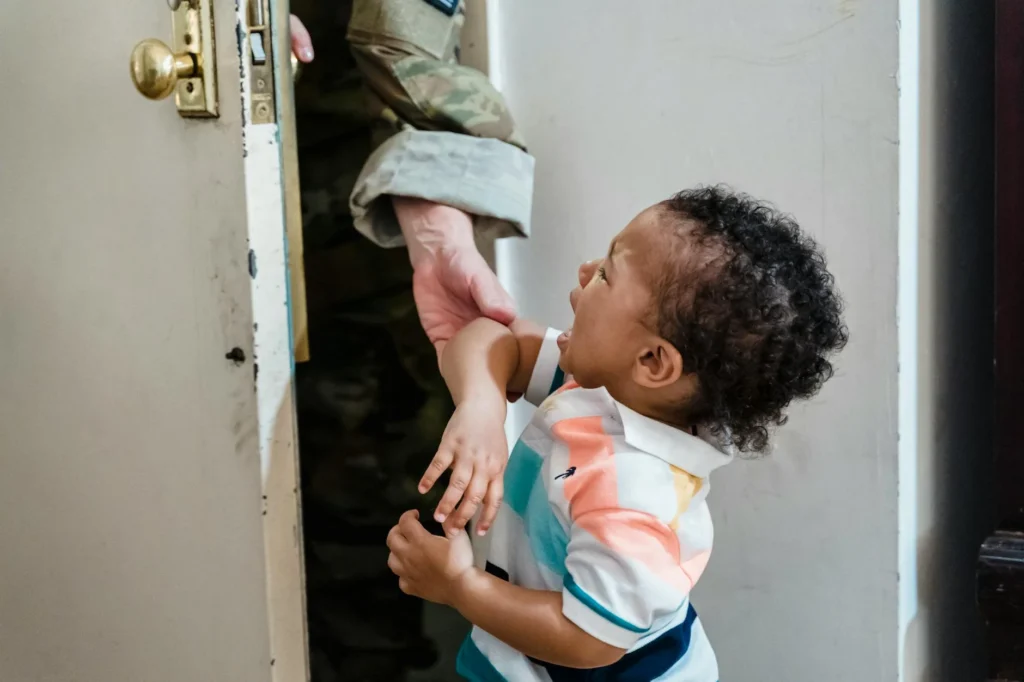
At 19 months, toddlers are in a fascinating stage of development. They’re becoming more independent but are still very reliant on their primary caregivers. Separation anxiety is a big factor; your toddler understands you’re leaving, but doesn’t always grasp when you’ll return. A new environment, different routines, or even just feeling tired or hungry can all contribute to a difficult drop-off.

Strategies to Reduce Tears
Consistency and a positive attitude are your most powerful tools. Here are some practical tips that can make a difference:

1. Establish a Predictable Routine
Toddlers thrive on predictability. Create a consistent morning routine before daycare. This might include breakfast, getting dressed, and a quick play session. Knowing what to expect each morning can help reduce anxiety.
- Morning Ritual: Stick to the same order of events each day.
- Travel Time: Make the journey to daycare part of the routine, perhaps listening to the same songs or talking about what they’ll do there.
2. Prepare Them for the Day
Talk positively about daycare. Even if your 19-month-old can’t fully articulate their feelings, they understand more than you think. Mention their friends, favorite toys, or activities they’ll enjoy.
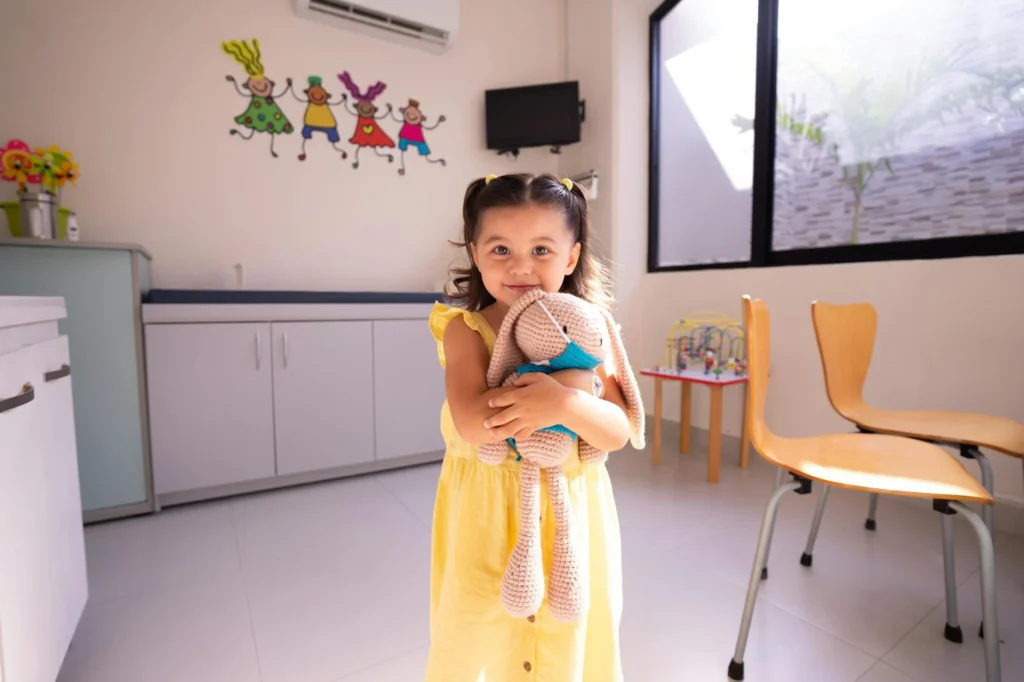
- Positive Talk: “You’re going to have so much fun playing with blocks today!” or “Your friends will be happy to see you!”
- Read Books: Look for children’s books about going to daycare or preschool.
3. A Quick and Confident Goodbye
Lingering at drop-off, even with good intentions, can sometimes make it harder. A swift, loving, and confident goodbye communicates to your child that you trust their caregivers and that everything will be okay.
- Say Goodbye Clearly: Hug, kiss, say “I love you, I’ll be back after naptime/after snack,” and then leave.
- Avoid Sneaking Out: This can erode trust and make future drop-offs even harder.
- Maintain Composure: Your child can sense your anxiety. Take a deep breath and project calm confidence.
4. Comfort Items and Familiarity
Allowing your toddler to bring a familiar item from home can provide a sense of security.
- Special Toy or Blanket: A favorite stuffed animal or small blanket can be a powerful source of comfort.
- Photo of Family: Some children find comfort in a small, laminated family photo to keep in their cubby.
5. Communicate with Daycare Staff
Your child’s caregivers are partners in this process. Share any changes at home, like a new sibling or disrupted sleep, that might affect your toddler’s mood. They can offer insights and provide extra comfort during the transition.
6. Reunion is Key
Make pickup a happy, enthusiastic reunion. This reinforces that you always come back and that daycare is a positive experience leading to a loving reunion.
When to Seek Further Support
Most toddlers adjust to daycare drop-offs over time, even with a few bumps along the way. However, if your child’s distress seems extreme, prolonged, or is accompanied by other concerning changes in behavior (like regression in toilet training, sleep disturbances, or a significant change in eating habits) that last for several weeks, it might be helpful to reach out to your pediatrician. They can offer guidance and assess if there are any underlying issues contributing to the difficulty.
Please remember: The information provided here is for general knowledge and informational purposes only, and does not constitute medical advice. Always consult a qualified healthcare professional for any health concerns or before making any decisions related to your child’s health and well-being.
Note: Totals vary by provider, region, and part quality.
Images sourced from Pexels.