
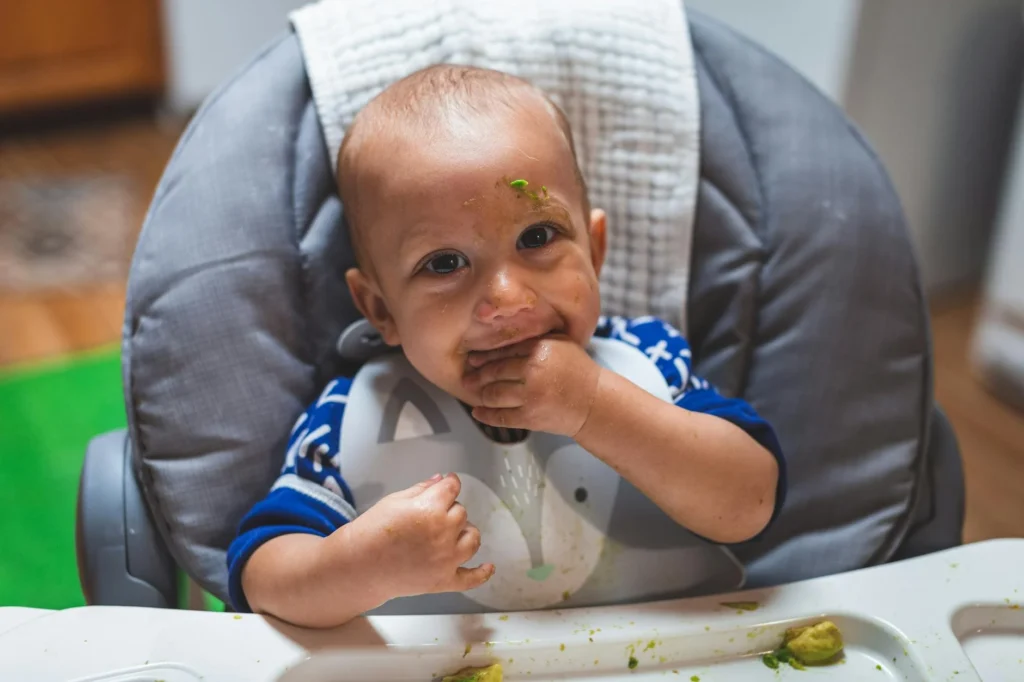
Watching your 7-month-old discover the world of solid foods is such a joy! As they grow, many babies at this age show increasing interest in feeding themselves. Offering appropriate finger foods not only encourages independence but also helps develop fine motor skills, hand-eye coordination, and important oral motor skills needed for chewing and speech.
Why Texture Matters for Your Growing Baby

At 7 months, babies are still learning to chew and swallow. Their gums are working hard, and some may even have their first teeth making an appearance. This means the texture of the food you offer is incredibly important for safety and successful eating. Foods need to be soft enough to prevent choking but firm enough for little hands to grasp.

General Texture Guidelines for Safe Finger Foods
When selecting finger foods, think ‘smashable between your fingers’ or ‘melt-in-your-mouth’. Avoid anything hard, crunchy, sticky, or tough to chew. Always ensure foods are cut into appropriate sizes and shapes to minimize choking risks.
- Soft and easily mashable: If you can easily mash it with light pressure between your thumb and forefinger, it’s generally a good texture.
- Gummy, not firm: Foods should be soft enough to be broken down by gums, not requiring molars.
- Appropriate size: Offer pieces about the size of an adult finger (for grasping) or small, pea-sized pieces for those with a good pincer grasp, provided they are soft.
Safe Finger Food Ideas by Texture
Soft and Smashable Options
These foods are fantastic for early finger food experiences. They provide a good grip and break down easily in the mouth.

- Soft-cooked vegetables: Steamed or roasted sweet potato, carrots, zucchini, or butternut squash cut into finger-length sticks or small, soft florets of broccoli/cauliflower. Make sure they are very tender.
- Avocado: Ripe avocado sliced into strips or small cubes. It’s naturally soft and full of healthy fats.
- Banana: Ripe banana cut into thick coins or sticks. The natural slipperiness can be a fun challenge!
- Melon: Very ripe cantaloupe or watermelon (seeds removed!) cut into small, soft pieces.
Gummy and Easy to Chew
As your baby practices, you can introduce foods with a bit more texture, as long as they are still soft and manageable.
- Soft-cooked pasta: Well-cooked pasta shapes like fusilli or penne, cut into smaller, manageable pieces.
- Shredded chicken or meat: Very finely shredded, moist cooked chicken, turkey, or tender beef. Ensure it’s in small, stringy pieces rather than chunks.
- Soft berries: Ripe blueberries, raspberries, or strawberries, quartered or sliced into small pieces.
- Oats/cereal: Cooked rolled oats (cooled) or baby-friendly cereals that clump together.
Melt-in-Your-Mouth Textures
These foods often dissolve quickly, making them a good choice for new eaters.
- Baby-friendly puffs or crisps: Designed to dissolve quickly in a baby’s mouth. Always check the age recommendations on the packaging.
- Thinly spread nut butter on toast strips: A very thin layer of smooth, unsweetened nut butter on a piece of lightly toasted bread cut into finger strips (watch for allergies and avoid thick clumps of butter).
- Yogurt melts: If commercially available, ensure they are appropriate for this age and dissolve easily.
Crucial Safety Notes for Finger Foods
- Always Supervise: Never leave your baby unattended while they are eating, even for a moment.
- Avoid Choking Hazards: Steer clear of whole grapes, nuts, seeds, large chunks of meat, hot dogs, hard candy, popcorn, marshmallows, or sticky foods like large blobs of peanut butter.
- Introduce New Foods One at a Time: When introducing a new food, offer it alone for a few days to watch for any signs of an allergic reaction.
- No Honey Under One Year: Honey can contain spores that cause infant botulism, which is dangerous for babies under 12 months.
- No Added Salt or Sugar: Babies do not need added salt or sugar in their food. Their kidneys are still developing, and too much salt can be harmful.
- Offer Water: Provide sips of water from an open cup or straw cup with meals.
When to Reach Out to a Healthcare Professional
If you notice any signs of an allergic reaction (like hives, swelling, difficulty breathing), persistent gagging or choking, or if you have concerns about your baby’s feeding development, please consult with your pediatrician. They can provide personalized advice and support.
Remember, this information is for general guidance only and should not replace professional medical advice. Always consult with your pediatrician for personalized recommendations regarding your baby’s diet and health.
Note: Totals vary by provider, region, and part quality.
Images sourced from Pexels.