
Keeping Baby Cozy: The Art of Winter Layering
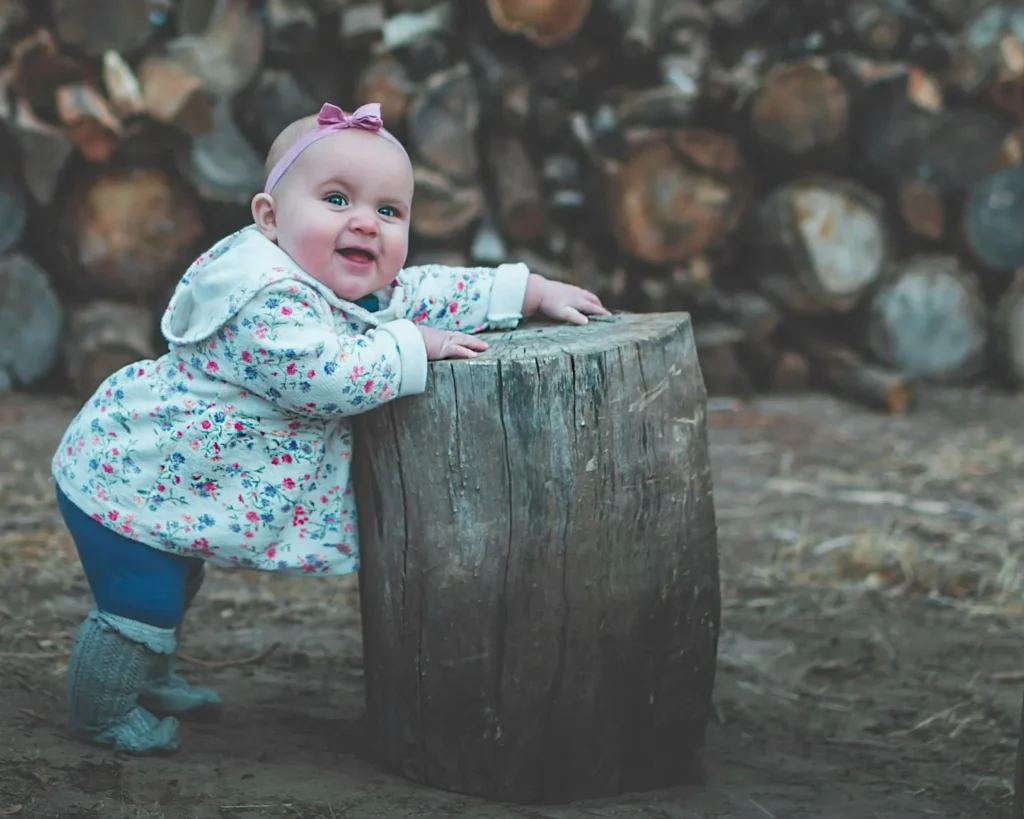
Winter brings crisp air and festive feelings, but it also presents a unique challenge for parents: how to keep babies warm enough without letting them get too hot. Little ones can’t regulate their body temperature as effectively as adults, making careful layering essential for their comfort and safety.
The Balancing Act: Not Too Hot, Not Too Cold
Finding that sweet spot can feel tricky. A good general rule is to dress your baby in one more layer than you’re wearing to feel comfortable in the same environment. But remember, this is a starting point, not a strict rule. The goal is a baby who is warm and content, not sweaty or shivering.

Signs Your Baby Might Be Too Warm
It’s important to recognize when your baby is getting too toasty. Look for a flushed face, rapid breathing, or unusual fussiness. The most reliable way to check is to feel the back of their neck or their chest. If it feels warm and sweaty, your baby is likely overdressed. Sweaty hair can also be a tell-tale sign.
Signs Your Baby Might Be Too Cool
Conversely, how do you know if they need more warmth? Cold hands and feet can be normal, so don’t rely solely on those. Instead, feel their chest or back. If it feels cool to the touch, or if your baby seems lethargic or has unusually pale or bluish lips, they might be too cold. Shivering is a clear sign they need warmth, but babies don’t always shiver in the same way adults do.
Smart Layering Strategies for Little Ones
Thinking in layers allows you to add or remove clothing easily as temperatures change, whether you’re moving from outdoors to indoors, or just dealing with fluctuations in a room’s temperature.

The Base Layer: Soft & Breathable
Start with a soft, breathable material against their skin, like a cotton bodysuit or a thin long-sleeved shirt and pants. This layer helps wick away moisture if they do get a little warm.
The Middle Layer: Adding Warmth
This is where you add insulation. A fleece sleeper, a thicker cotton outfit, or a sweater and pants combination works well. This layer traps air, providing extra warmth without being overly bulky.
The Outer Layer: Protection from the Elements
For outdoor adventures, an appropriate outer layer is key. This could be a warm jacket, a snowsuit, or a bunting suit. Remember to choose something that allows for movement and doesn’t restrict breathing.
Accessories: Don’t Forget the Extremities
Little heads lose heat quickly, so a soft hat is often necessary outdoors. Mittens keep tiny hands warm, and warm socks or booties are a must. Just remember to remove hats as soon as you come indoors to prevent overheating.
Car Seat Safety: A Special Note
Bulky coats and snowsuits can compress in a car seat crash, leaving straps too loose to effectively hold your child. Dress your baby in their usual indoor clothes, then use a blanket over the harness straps, or a car seat cover that goes over the entire seat, to keep them warm. Never put bulky items under the harness.
Always do the ‘touch test’ on your baby’s neck or chest before heading out and again periodically. This simple check helps ensure they’re just right.
Important Safety Notes
This information is for general guidance only and is not a substitute for professional medical advice. If you have concerns about your baby’s temperature regulation or overall health, please consult with a healthcare professional. Look out for red flags such as a persistent fever, extreme lethargy, difficulty breathing, or if your baby seems too cold or hot and does not respond to your attempts to adjust their temperature.
Note: Totals vary by provider, region, and part quality.
Images sourced from Pexels.