
Sweet Sleep and Growing Babies: The Swaddle Transition
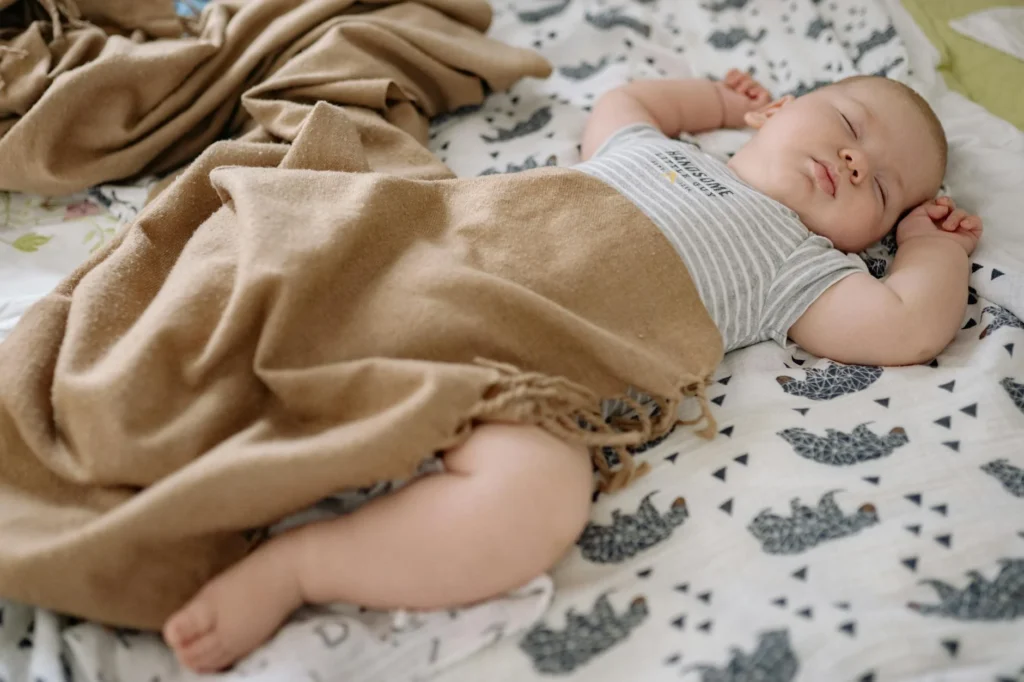
Around eight weeks, many babies are still enjoying the snug comfort of a swaddle, which mimics the womb and can help calm their startle reflex. But as your little one grows and develops, you might notice signs that it’s time to consider alternatives. This is a common stage for parents to start thinking about how to keep their baby cozy and safe through the night as they gain new mobility.
When to Consider Swaddle Alternatives
Your 8-week-old is developing rapidly! While still small, their motor skills are advancing. Here are some key signs that it might be time to move away from the traditional swaddle:

- Attempting to roll: Even a slight attempt to roll over, especially from back to tummy, means the swaddle should no longer be used for sleep. An infant who rolls while swaddled risks suffocating if they cannot roll back.
- Breaking free: If your baby consistently wiggles their arms out of the swaddle, it’s losing its effectiveness and could pose a loose fabric hazard.
- Increased fussiness: Some babies simply start to dislike being contained and will express their discomfort.
- Stronger startle reflex control: While the startle reflex is still present, some babies begin to manage it better, making the swaddle less critical for sleep.
Why Transition Matters Now
Prioritizing your baby’s safety is paramount. Once they show any signs of rolling, an arms-free sleep solution becomes essential to allow them to use their hands to push themselves up or change position if needed.
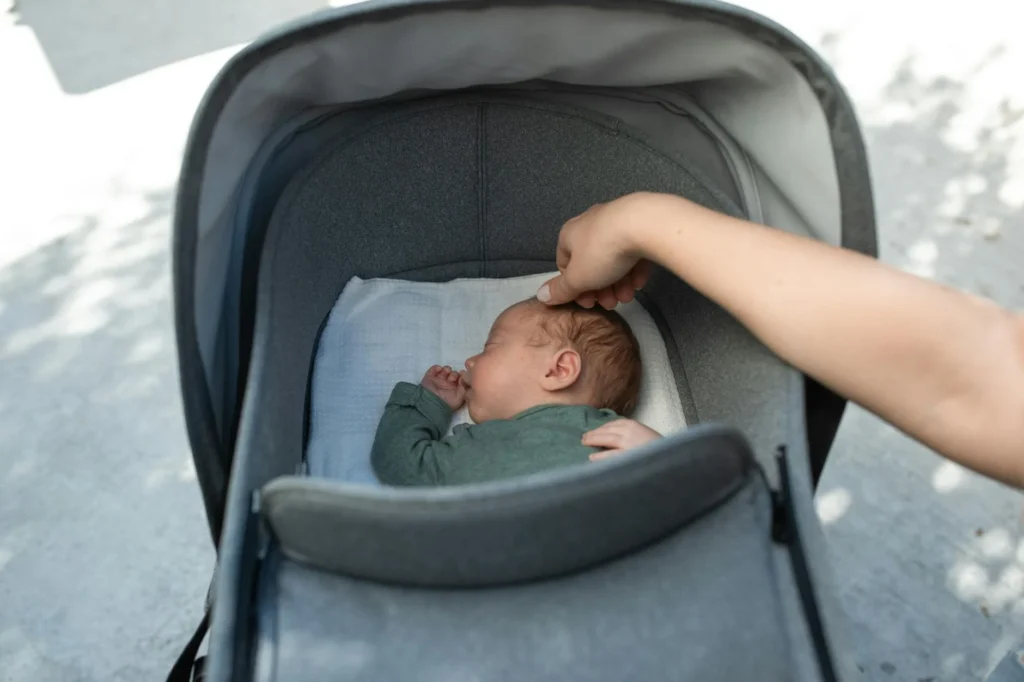
Understanding Sleep Sacks
Sleep sacks are wearable blankets designed to keep your baby warm and safe without the need for loose blankets in the crib. They come in various styles and offer several benefits:

- Safety: They remove the risk of loose blankets covering your baby’s face, reducing the risk of SIDS.
- Consistent warmth: Sleep sacks ensure your baby stays at a comfortable temperature throughout the night, no matter how much they wiggle.
- Routine cue: Putting your baby in their sleep sack can become a comforting part of their bedtime routine, signaling that it’s time for sleep.
- Freedom of movement: Most sleep sacks allow full arm and leg movement, which is crucial once your baby is showing signs of rolling.
Some sleep sacks are designed as ‘transitional’ options, offering a middle ground with features like removable sleeves or arm openings that can be partially covered before going fully arms-free. These can be very helpful for easing your baby out of the tight swaddle feeling.
Choosing the Right Sleep Sack for Your Baby
When selecting a sleep sack, consider these points:
- Size and Fit: A sleep sack should fit snugly around the neck and arms, but allow plenty of room for their legs and hips to move freely. A sack that is too large can ride up over your baby’s face, while one that is too small can restrict movement. Always check the manufacturer’s weight and height guidelines.
- TOG Rating: This stands for ‘Thermal Overall Grade’ and indicates how warm the fabric is. Higher TOG ratings mean warmer material, suitable for cooler rooms. Lower TOG ratings are for warmer environments. Adjust your baby’s sleepwear underneath the sleep sack according to the room temperature and the TOG rating.
- Material: Look for breathable fabrics like cotton, muslin, or bamboo, especially if your baby tends to get warm easily.
- Ease of Use: Zippers that open from the bottom can make middle-of-the-night diaper changes much simpler.
Safe Sleep Practices with Sleep Sacks
Using a sleep sack is a step towards safer sleep, but it’s part of a larger picture:
- Back to Sleep: Always place your baby on their back to sleep, for every sleep, until they are one year old.
- Clear Crib: The sleep environment should be free of bumpers, toys, loose blankets, and pillows. A firm mattress with a fitted sheet is all you need.
- Room Temperature: Keep the nursery at a comfortable temperature, generally between 68-72°F (20-22°C). Overheating is a risk factor for SIDS. Check your baby’s neck or chest to ensure they are not too hot or too cold.
- Proper Clothing: Dress your baby in light sleepwear under the sleep sack, adjusting layers based on the room temperature and the sleep sack’s TOG.
When to Talk to a Professional
If you have persistent concerns about your baby’s sleep, their development, or any safety issues related to sleep products, please don’t hesitate to reach out to your pediatrician. They can offer personalized advice and guidance. General red flags include significant changes in sleep patterns, extreme fussiness that isn’t easily soothed, or any signs of illness.
Disclaimer: This article provides general information and is not a substitute for professional medical advice. Always consult with a qualified healthcare provider for any health concerns or before making decisions related to your child’s care.
Note: Totals vary by provider, region, and part quality.
Images sourced from Pexels.