
A night light can be a soothing presence in a child’s room, offering a gentle glow that chases away shadows without disrupting sleep. Whether you’re navigating nighttime feedings, comforting a wakeful toddler, or helping an older child feel secure, the right night light can make a big difference. But with so many options, how do you pick one that’s truly helpful and safe?
Who It Helps
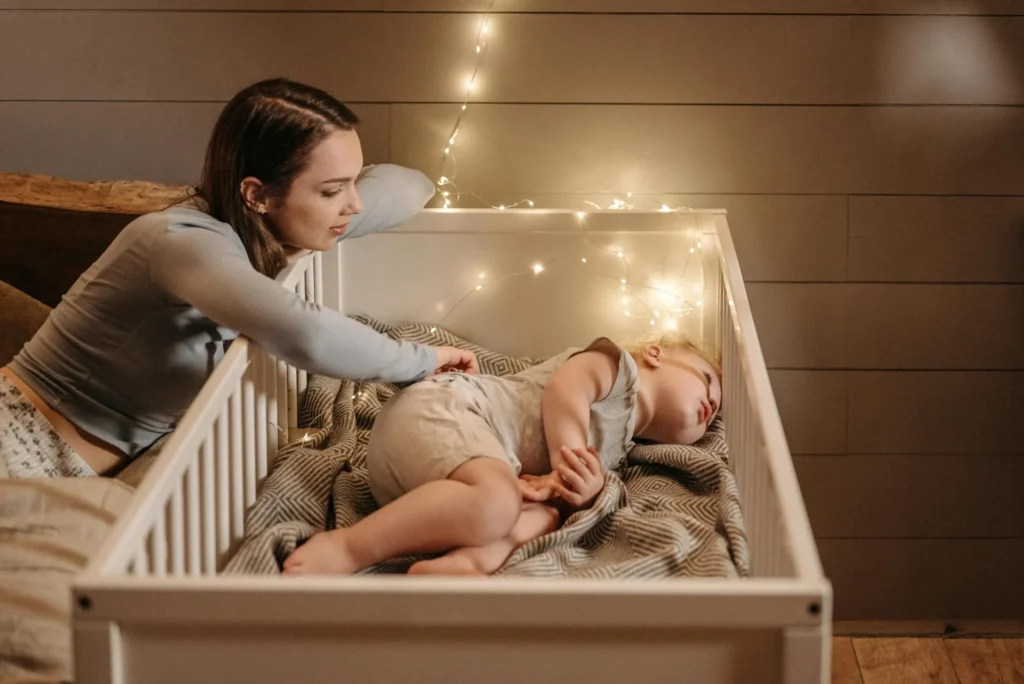
Night lights aren’t just for big kids who fear the dark. They can be incredibly useful for a range of ages and situations:
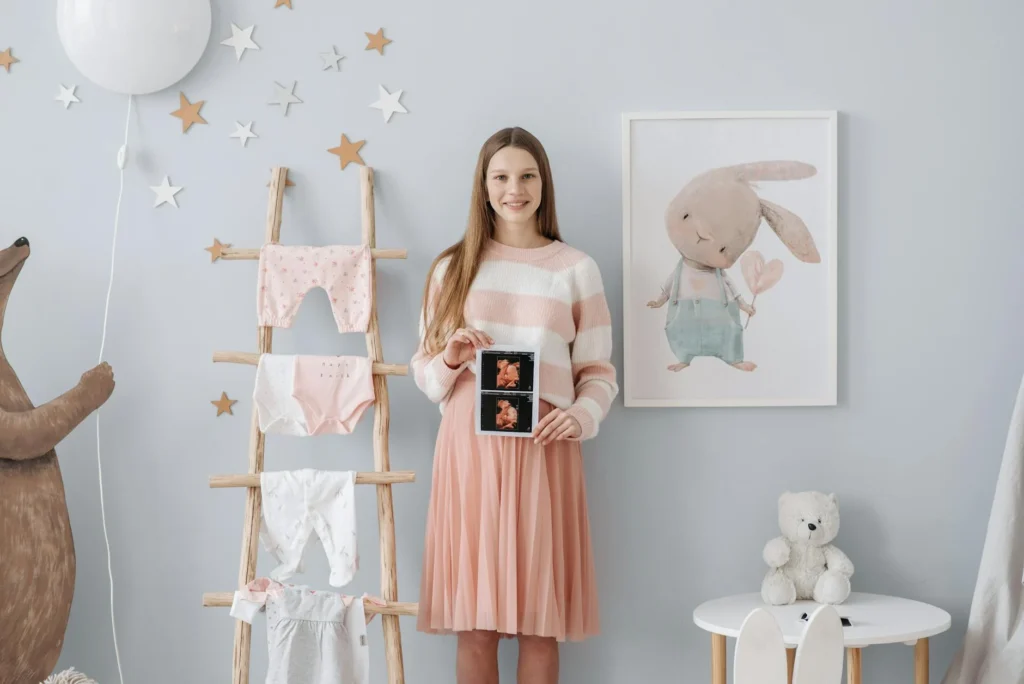
- Newborns & Infants: For parents during nighttime diaper changes and feedings, a soft glow means you don’t have to flick on harsh overhead lights, making it easier for both you and baby to drift back to sleep.
- Toddlers & Preschoolers: As imaginations blossom, so can the fear of monsters under the bed. A comforting night light can provide a sense of security and familiarity in their room.
- Older Children: For bathroom breaks or finding their way back to bed after a bad dream, a subtle light path can be very reassuring.
- Parents: It helps you navigate the room safely in the dark, avoiding bumps and trips, while minimally disturbing your child’s sleep.
Selection Criteria: Brightness & Placement are Key
Finding the perfect night light involves more than just picking a cute design. Thoughtful consideration of brightness and placement ensures it serves its purpose without hindering sleep or posing a hazard.

Brightness: Just Right, Not Too Bright
The goal is to provide enough light to see by, but not so much that it interferes with melatonin production, the hormone essential for sleep. Look for:
- Adjustable Brightness: This is a game-changer. You can dim it to a barely-there glow for sleeping and brighten it slightly for quick check-ins or diaper changes.
- Warm, Soft Light: Opt for lights that emit a warm, amber, or red-toned glow rather than harsh blue or white light. Blue light can be stimulating and suppress melatonin.
- Low Lumen Output: The light should be gentle, not illuminating the entire room like a lamp. Think subtle ambiance.
- Motion-Activated Options: Some night lights only turn on when movement is detected, offering light only when needed and keeping the room dark otherwise.
Placement: Out of Reach, Out of Sight (Mostly)
Where you put the night light matters for both safety and effectiveness:
- Indirect Light: Position the light so it doesn’t shine directly into your child’s eyes while they’re in their crib or bed. Angle it towards a wall or floor.
- Out of Reach: Always place plug-in night lights in outlets that are out of your child’s reach. If it’s a portable unit, ensure it’s on a high shelf or dresser, well away from little hands and mouths.
- Clear of Obstructions: Make sure the night light isn’t covered by curtains, blankets, or furniture, which could block the light or create a fire hazard if the unit heats up.
- Minimize Shadows: Consider how the light creates shadows in the room. Strategic placement can reduce scary-looking shapes that might alarm a child.
Safety Checklist for Night Lights
Prioritizing safety is paramount when introducing any new item into your child’s environment.
- Electrical Safety: Ensure any plug-in night light is U.S. safety certified (e.g., UL listed). Inspect cords for fraying if it’s not a direct plug-in.
- Heat Output: LED night lights are generally the safest option as they produce very little heat, significantly reducing any burn risk. Avoid older incandescent bulb types.
- Material: Choose night lights made from durable, non-toxic, and child-safe materials, especially if it’s a portable unit that might be handled.
- Battery Safety: If using a battery-operated unit, ensure the battery compartment is securely fastened with a screw and inaccessible to children.
- Cord Management: For any night light with a cord, ensure it’s neatly tucked away and out of reach to prevent strangulation hazards.
Care & Cleaning
Keeping your night light clean is usually quite simple. Unplug it first, then gently wipe it down with a dry or slightly damp cloth. Avoid harsh chemicals or abrasive cleaners that could damage the unit or leave residues harmful to children.
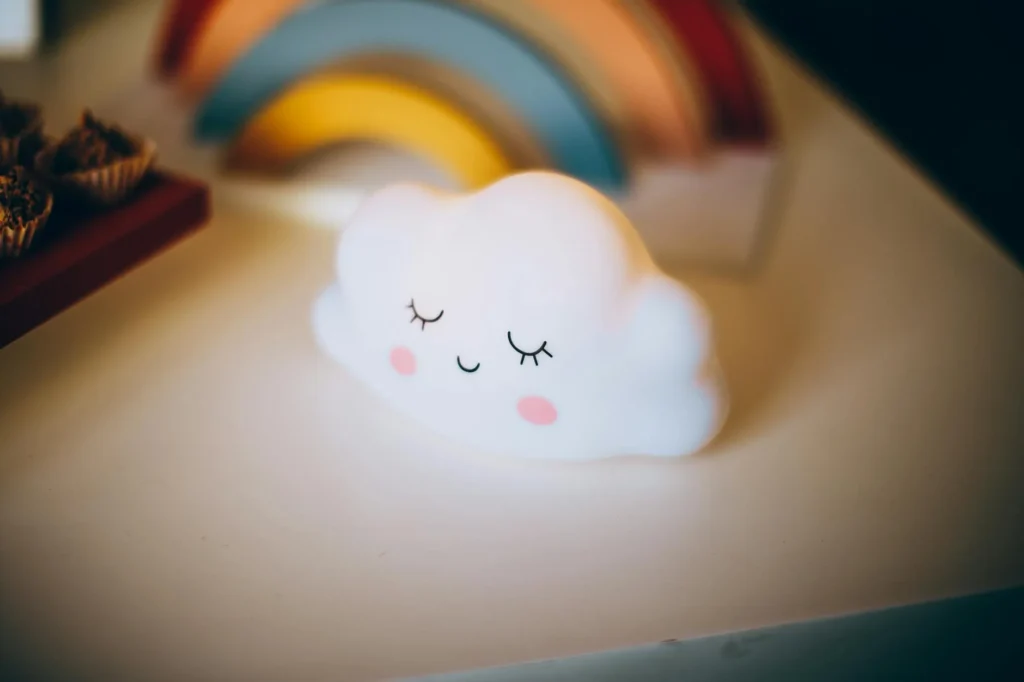
Frequently Asked Questions
Does a baby need a night light?
Not necessarily. While they can be helpful for parents during nighttime care, most newborns don’t have a concept of ‘darkness’ being scary. For older babies and toddlers, a night light can offer comfort if they start experiencing separation anxiety or developing fears.
What color night light is best for sleep?
Warm, amber, or red-toned lights are generally considered best for sleep environments. These colors are less disruptive to the body’s natural melatonin production compared to blue or bright white light.
When should I stop using a night light?
There’s no set age. Some children feel secure with a night light well into elementary school, while others might outgrow the need sooner. It’s often best to follow your child’s cues and gradually reduce reliance if they seem ready.
Can a night light stay on all night?
Most modern LED night lights are designed to be safe to stay on all night. However, if you have an older model or are concerned, always check the manufacturer’s instructions. Adjustable brightness models allow you to keep the glow very dim overnight.
Note: Totals vary by provider, region, and part quality.
Images sourced from Pexels.