
At around age eight, children are navigating a new world of social dynamics, school challenges, and growing independence. This is a crucial time to nurture their self-esteem and equip them with the confidence to face life’s ups and downs. The good news is, many powerful confidence-building habits can be encouraged right within the comfort of your own home.
Empowering Choices & Responsibility
Giving children a sense of agency helps them understand their own capabilities and impact.

Give Them a Voice
Involve your 8-year-old in family discussions and decisions appropriate for their age. Ask for their opinions on weekend plans, dinner menus, or how to solve a small family problem. Listening attentively to their ideas, even if not always implemented, validates their thoughts and feelings. It shows them that their input matters.

Chores and Contributions
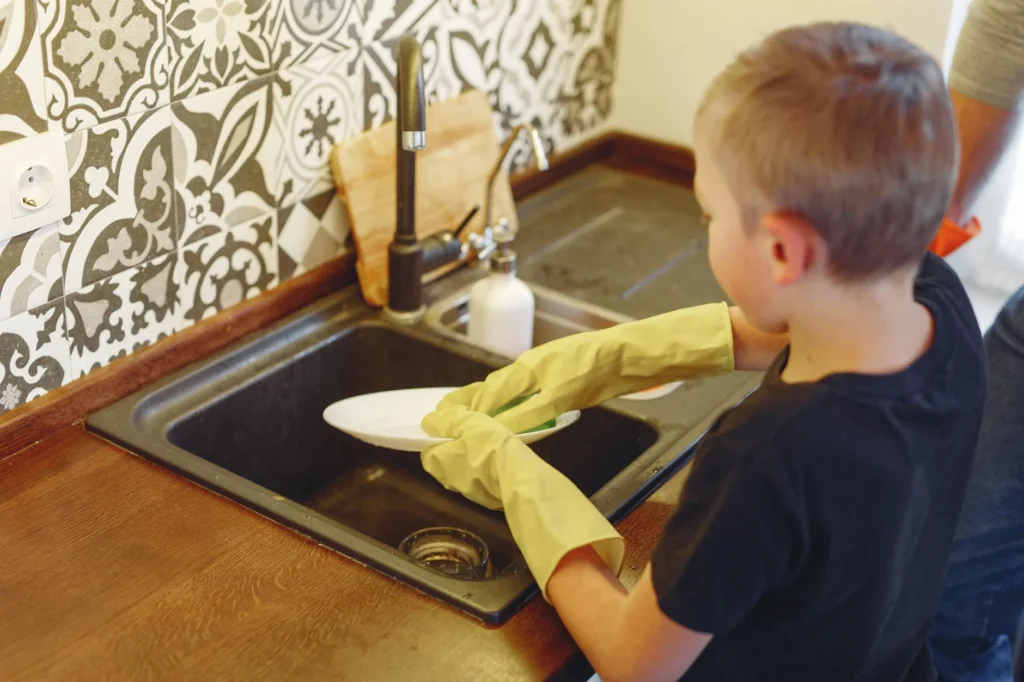
Assigning age-appropriate chores isn’t just about keeping the house tidy; it’s a powerful way to build confidence. When an 8-year-old successfully completes a task, whether it’s setting the table, folding laundry, or helping with yard work, they gain a sense of accomplishment and contribution. These small wins build self-reliance and the understanding that they are a valuable part of the family team.
Celebrating Effort, Not Just Outcomes
Focusing on the journey rather than just the destination teaches resilience and a growth mindset.
Focus on Process
Instead of only praising a perfect test score or a flawless drawing, acknowledge the hard work, perseverance, and strategy involved. Say things like, “I noticed how hard you worked on that math problem, even when it was tricky,” or “You spent a lot of time planning out those colors for your art project.” This teaches them that effort is valuable, regardless of the end result, fostering a willingness to try new things without fear of failure.

Embrace Mistakes as Learning
No one is perfect, and making mistakes is a natural part of growth. Help your child reframe errors as opportunities to learn. When something doesn’t go as planned, discuss what could be done differently next time, rather than dwelling on the mistake itself. This approach reduces the pressure to be perfect and encourages a brave approach to new challenges.
Fostering Skills & Independence
Providing opportunities for growth and self-sufficiency strengthens their belief in themselves.
New Challenges
Encourage your 8-year-old to try new skills or hobbies. This could be learning to ride a bike without training wheels, mastering a new board game, learning a few chords on a ukulele, or even planning a simple meal with supervision. The process of learning and overcoming small obstacles builds incredible self-confidence.
Problem-Solving Together
When faced with a challenge, resist the urge to immediately solve it for them. Instead, guide them through the problem-solving process. Ask questions like, “What do you think is going wrong?” or “What are some different ways we could try to fix this?” Working through issues together, with you as a supportive guide, empowers them to develop their own critical thinking skills.
The Power of Positive Self-Talk
The way children talk to themselves significantly impacts their confidence.
Model Positive Language
Children often mirror the adults around them. Pay attention to your own self-talk. If you make a mistake, demonstrate a positive and forgiving attitude towards yourself. This shows your child that it’s okay to stumble and to be kind to oneself.
Encourage ‘I Can’ Thinking
Help your child recognize their strengths and accomplishments. Create a family ‘wins’ jar where everyone can write down small successes. Encourage them to use positive affirmations, even simple ones like, “I am capable,” or “I will try my best.” These small shifts in internal dialogue can have a big impact over time.
When to Seek Extra Support
While some ups and downs in confidence are normal, sometimes a child might need more support than what can be provided at home. If you notice persistent signs of low self-esteem, such as extreme shyness, reluctance to try anything new, excessive self-criticism, difficulty making friends, or a sudden change in behavior that lasts for several weeks, it might be helpful to talk to a professional.
Your child’s teacher, school counselor, or pediatrician can be great resources to discuss any concerns you may have. They can offer guidance or recommend further evaluation if needed.
Please remember, this information is for general guidance only and is not a substitute for professional medical advice. If you have concerns about your child’s development or well-being, always consult with a qualified healthcare provider.
Note: Totals vary by provider, region, and part quality.
Images sourced from Pexels.