
Diaper rash is a common skin irritation that many babies experience at some point. It’s usually mild, but can cause discomfort for your little one. The good news is that most diaper rashes can be prevented and managed with gentle, consistent care. Keeping your baby’s diaper area clean, dry, and protected is key to happy, healthy skin.
Preventing Diaper Rash
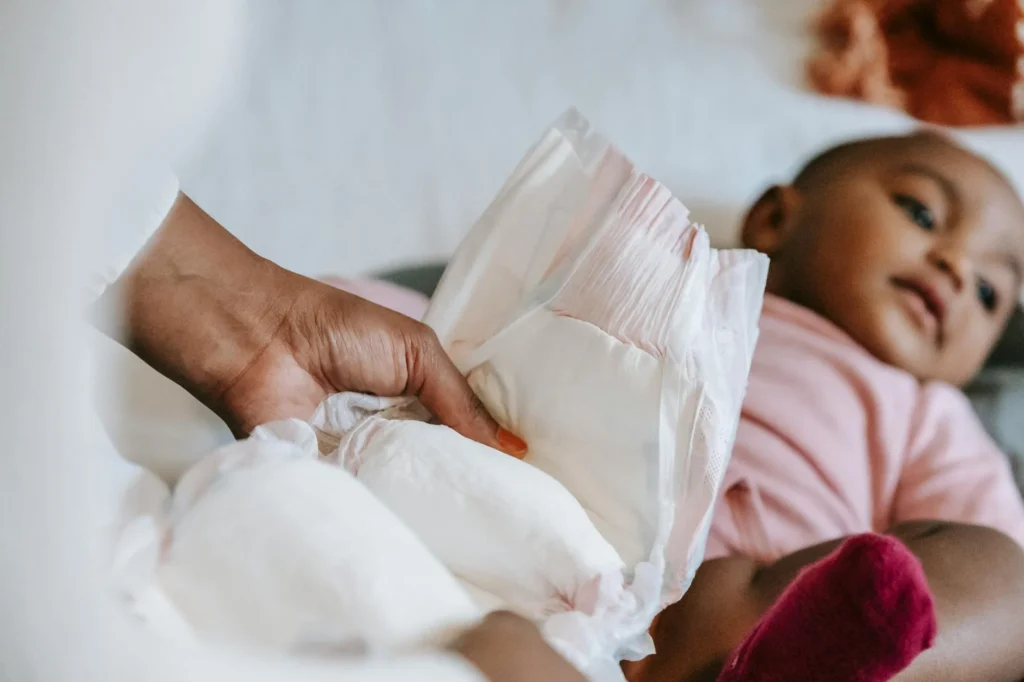
A little proactive effort goes a long way in keeping diaper rash at bay. Simple daily habits can make a big difference.
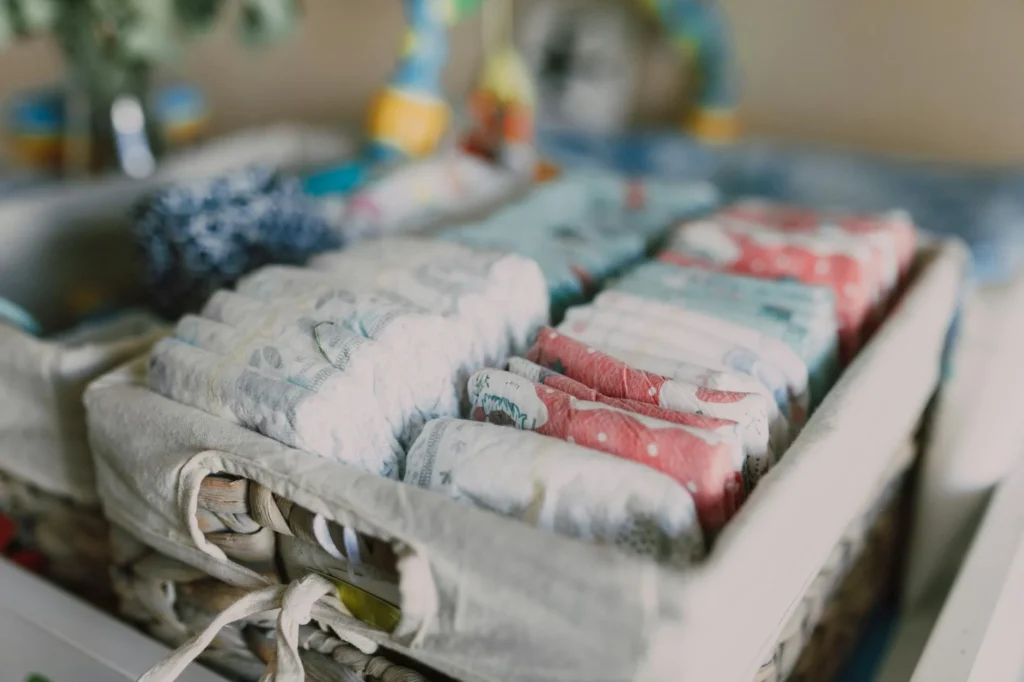
Frequent Changes are Key
Moisture is a primary cause of diaper rash. Change your baby’s diaper as soon as it’s wet or soiled. For newborns, this might mean every hour or two, while older babies might go a bit longer. Don’t wait for a full diaper; prompt changes minimize skin contact with irritants.

Gentle Cleaning Matters
When changing a diaper, gently clean the area. For mild cases or prevention, warm water and a soft cloth or cotton balls work wonderfully. If using wipes, choose fragrance-free and alcohol-free options designed for sensitive skin. Always wipe from front to back, especially for girls, to prevent the spread of bacteria. Pat the skin dry rather than rubbing.
Air it Out
Allowing your baby’s bottom some diaper-free time is excellent for prevention. Air exposure helps to dry the skin completely and can heal minor irritations. Lay your baby on a clean towel for a few minutes after a diaper change, or let them play without a diaper in a safe, warm space.
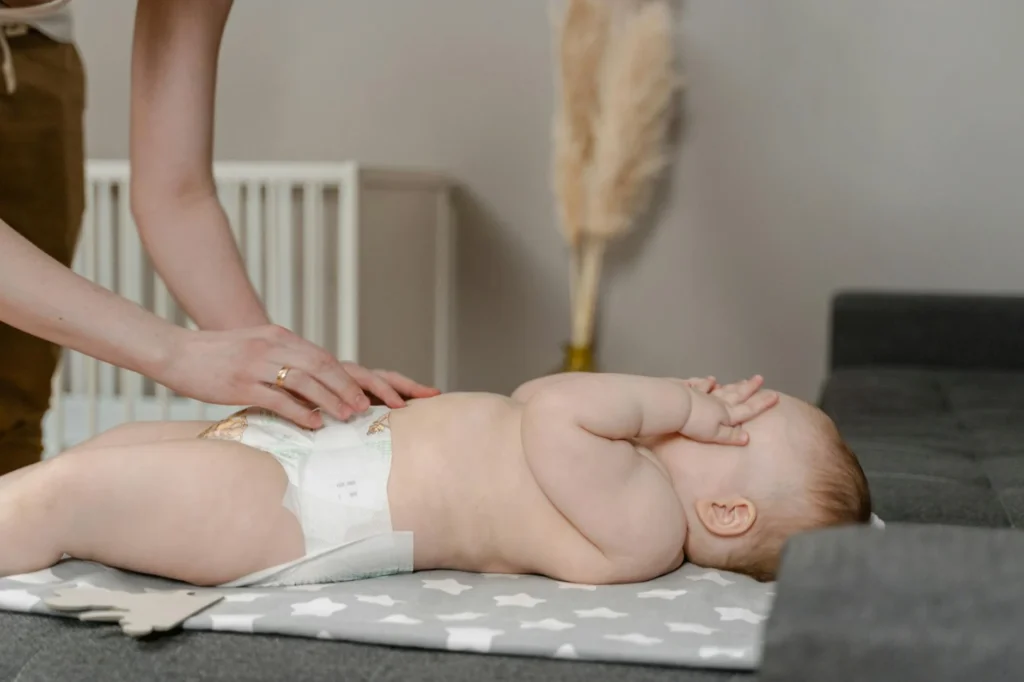
Barrier Creams
A protective barrier cream can shield your baby’s skin from moisture and irritants. Look for creams containing zinc oxide or petroleum jelly. Apply a thin layer to clean, dry skin at each diaper change, especially before bedtime or if you know a diaper might be on for longer stretches.
Choosing the Right Diaper
Different diapers work for different babies. Some babies might be sensitive to certain brands or materials. Highly absorbent disposable diapers can help wick away moisture from the skin. Cloth diapers, while breathable, require thorough washing and careful attention to moisture.
Gentle Care When Rash Appears
If a diaper rash does develop, don’t worry. Most can be managed effectively at home with consistent, gentle care.
Keep it Clean and Dry
Continue with very frequent diaper changes – even more often than usual. Use warm water and a soft cloth for cleaning, avoiding harsh soaps or wipes that might further irritate the skin. Pat the area completely dry.
More Air Time
Maximize diaper-free time. The more the skin can breathe and dry naturally, the faster it tends to heal. Consider letting your baby sleep without a diaper (on a waterproof pad, of course) if the rash is bothering them significantly.
Apply Protective Cream
Apply a thick layer of a barrier cream, like one with zinc oxide, to the affected area. Don’t rub it in completely; you want a visible layer of protection. This creates a barrier against wetness and helps the skin heal underneath. There’s no need to remove all the old cream at every change; gently clean what comes off easily and apply a fresh layer over the top.
Avoid Irritants
Steer clear of baby powders, perfumed products, or harsh soaps on the irritated skin. These can worsen the rash. Stick to simple, gentle cleansing and barrier creams.
When to Seek Professional Advice
While most diaper rashes are manageable at home, sometimes a baby needs a doctor’s attention. Contact your pediatrician if:
- The rash doesn’t improve after a few days of consistent home care.
- The rash looks severe, with blisters, open sores, or pus.
- Your baby develops a fever along with the rash.
- The rash spreads beyond the diaper area.
- Your baby seems unusually uncomfortable or in pain.
Disclaimer: This information is for general guidance only and is not a substitute for professional medical advice. Always consult with a qualified healthcare provider for any health concerns or before making any decisions related to your baby’s health or care.
Note: Totals vary by provider, region, and part quality.
Images sourced from Pexels.