
Reaching almost two years old is a big milestone! Your little one is growing, learning, and developing at an incredible pace. Around this age, many parents start to wonder about potty training. But how do you know if your toddler is truly ready to take this exciting next step?
Potty training isn’t about age as much as it is about readiness. Every child follows their own unique timeline. Watching for specific signs can help you gauge if your toddler is showing an interest and the necessary skills to begin.
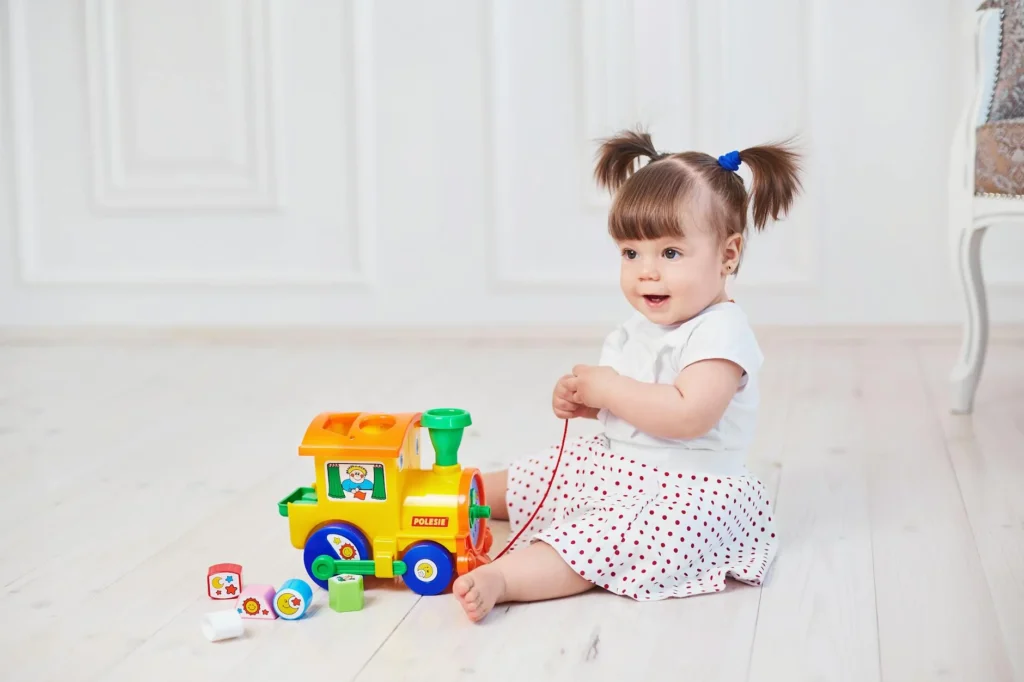
Spotting Physical Readiness

Physical signs are often the first clues that your toddler’s body is maturing enough for potty training. They’re gaining more control over their bladder and bowels.
Dry Diapers for Longer
- Your toddler stays dry for at least 2 hours during the day or wakes up dry from naps. This shows their bladder capacity is increasing.
- They have predictable bowel movements, often around the same time each day.
Developing Motor Skills
- Can your child walk to the bathroom independently?
- Are they able to pull their pants down and up on their own, or with minimal help? This is a crucial step for managing clothing.
- They can sit down on a potty chair or a toilet with an insert and stand back up again.
Cognitive and Emotional Readiness Clues
Beyond the physical, there are important mental and emotional indicators that your toddler might be ready to learn.
Understanding and Communication
- They can follow simple instructions, like “Go get your toy” or “Put this in the bin.”
- Your toddler expresses when they need to go, or when they have gone, using words, gestures, or facial expressions. This might be “pee-pee,” “poop,” or a specific sign.
- They show curiosity about the toilet or what adults do in the bathroom.
Desire for Independence
- Your child wants to do things by themselves and shows an interest in “big kid” activities.
- They may dislike the feeling of a wet or dirty diaper and ask to be changed.
- They show an interest in wearing underwear.
When to Consider Holding Off (or Seeking Advice)
If your toddler isn’t showing many of these signs, it’s perfectly normal to wait a bit longer. Pushing too early can lead to frustration for both of you. Some common situations where you might pause or seek guidance include:
- Consistent Resistance: If your child actively resists sitting on the potty or becomes very upset, it might be a sign they’re not ready.
- Major Life Changes: Moving house, welcoming a new sibling, or starting a new daycare can all be stressful. It’s often best to wait until things settle down.
- Developmental Concerns: If you have any concerns about your child’s overall development, communication, or physical abilities, always reach out to your pediatrician. They can offer personalized advice and rule out any underlying issues.
Important Disclaimer: This article provides general information and is not intended to be a substitute for professional medical advice, diagnosis, or treatment. Always seek the advice of your pediatrician or other qualified health provider with any questions you may have regarding a medical condition or the health and well-being of your child.
Frequently Asked Questions About Potty Readiness
What if my toddler isn’t showing any readiness signs yet?
That’s completely fine! Many children don’t show strong readiness signs until well after their second birthday, and some even closer to three. Patience is key. Continue to observe, offer gentle exposure (like having a potty in the bathroom), but don’t pressure them. They will get there in their own time.
How long does potty training typically take once we start?
There’s no set timeline. Some children catch on very quickly in a few days or weeks, while for others, it can be a process spanning several months, with occasional regressions. The goal is progress, not perfection. Focus on celebrating small successes.
Should we use pull-ups during potty training?
Opinions vary. Some parents find pull-ups helpful as a bridge between diapers and underwear, offering a sense of independence while still containing accidents. Others prefer to go straight to underwear, believing it helps children feel the wetness more immediately and makes the connection quicker. Observe your child and decide what works best for your family. If using pull-ups, treat them like underwear and avoid referring to them as “diapers.”
Note: Totals vary by provider, region, and part quality.
Images sourced from Pexels.