
As children grow into their preteen years, around age 12, developing strong study habits becomes increasingly important. A well-designed home study space isn’t just a place to do homework; it’s a dedicated zone that can foster focus, independence, and a positive attitude towards learning.
Designing an Effective Study Space for Your 12-Year-Old

Why a Dedicated Spot Makes a Difference
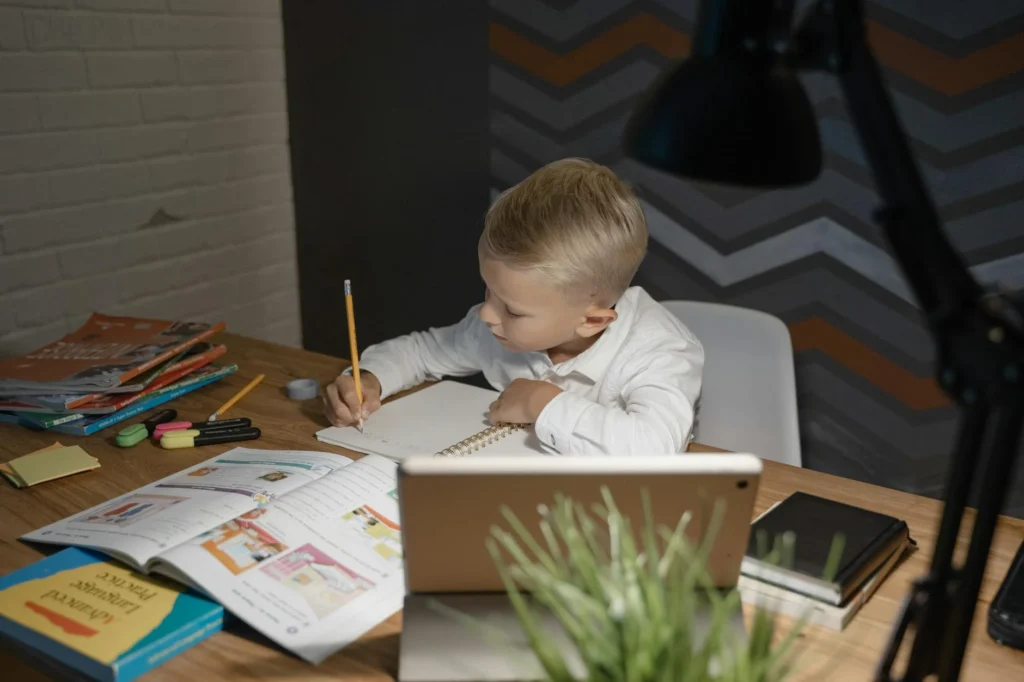
Imagine trying to focus on a complex task in a chaotic environment. It’s tough! For your 12-year-old, having a specific area for schoolwork signals to their brain that it’s time to concentrate. It helps build a routine, minimizes procrastination, and teaches them valuable organizational skills. This dedicated space empowers them to take ownership of their studies.

Essential Elements for a Productive Study Zone
The Right Location
Look for a spot that’s generally quiet and free from high traffic. This might be a corner of their bedroom, a quiet area in a family room, or even a dedicated office nook. Consistency is key – ideally, it’s the same place they use every day.

Ergonomic Comfort
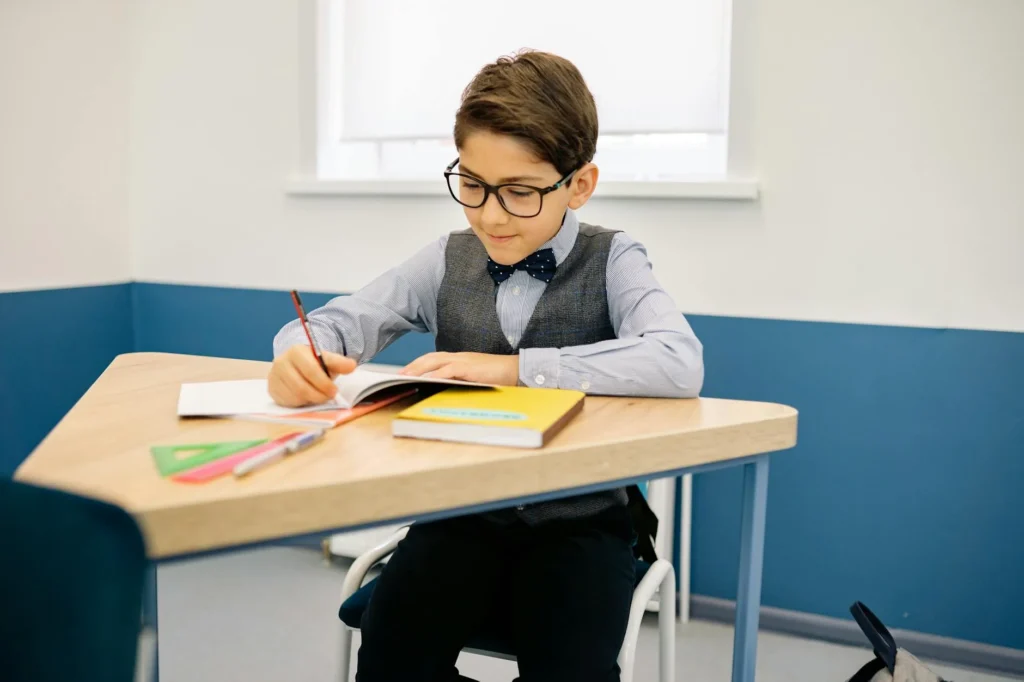
A comfortable chair and a desk at the correct height are crucial for long study sessions. Their feet should be flat on the floor or on a footrest, and their elbows should form roughly a 90-degree angle when typing or writing. Discomfort can quickly lead to distraction and poor posture.
Organization at Hand
Keep essential school supplies—pens, paper, calculators, notebooks—within easy reach. Shelves, drawers, or desk organizers can help keep the surface clear and tidy. A neat space reduces visual clutter and the time spent searching for items.
Optimal Lighting
Good lighting prevents eye strain. Combine natural light from a window with a dedicated task lamp on the desk. Avoid harsh overhead lighting or shadows that can make reading difficult.
Personal Touches (with limits)
Allow your child to personalize their space with a few favorite photos or inspirational quotes. This makes the area feel welcoming and encourages them to use it. However, avoid excessive decorations that could become distracting.
Minimizing Common Distractions
Tech Management
Discuss clear rules for electronics. If a computer is needed for homework, ensure other non-essential apps and notifications are turned off. Consider keeping phones out of arm’s reach or in another room during study time.
Clutter Control
Encourage them to clear the desk before starting and put things away afterward. A decluttered space promotes a clear mind.
Noise Levels
If background noise is unavoidable, consider noise-canceling headphones or playing soft, instrumental music (if it aids concentration rather than distracts).
Cultivating Good Study Habits
Setting up the space is just the first step. Encourage your 12-year-old to be involved in the process, giving them a sense of ownership. Establish a consistent routine for when and how long they’ll use the space. Regular check-ins, without micromanaging, can help identify any challenges and make necessary adjustments.
When to Reassess or Seek Support
Children’s needs evolve, and what works today might need tweaking tomorrow. If you notice persistent struggles with focus, significant drops in academic performance, increased stress or anxiety around schoolwork, or a general reluctance to use their study space, it might be time to reassess the setup. Sometimes, a simple change makes a big difference. However, if concerns persist, it’s always wise to reach out to their school counselor, teacher, or a healthcare professional for guidance and support. They can offer tailored strategies or rule out underlying issues.
Disclaimer: This information is for general guidance only and is not intended to be medical advice. Always consult with a qualified healthcare professional for any health concerns or before making any decisions related to your child’s health and well-being.
Note: Totals vary by provider, region, and part quality.
Images sourced from Pexels.