
Welcoming New Flavors: Your 33-Week-Old and Allergens

Around 33 weeks, many babies are exploring a wonderful world of solid foods. It’s also a key time for safely introducing common allergens. The idea can feel a little daunting, but with a calm, step-by-step approach, you can help your little one broaden their palate while keeping safety in mind. This guide offers general insights to help you navigate this exciting stage.
Why Early Introduction Matters
Current recommendations suggest introducing common allergenic foods early in a baby’s diet, once they’ve started solids and are developmentally ready. Research indicates that early and consistent exposure to these foods might actually help reduce the risk of developing certain food allergies. It’s about giving their immune system a chance to get familiar with these foods from the start.
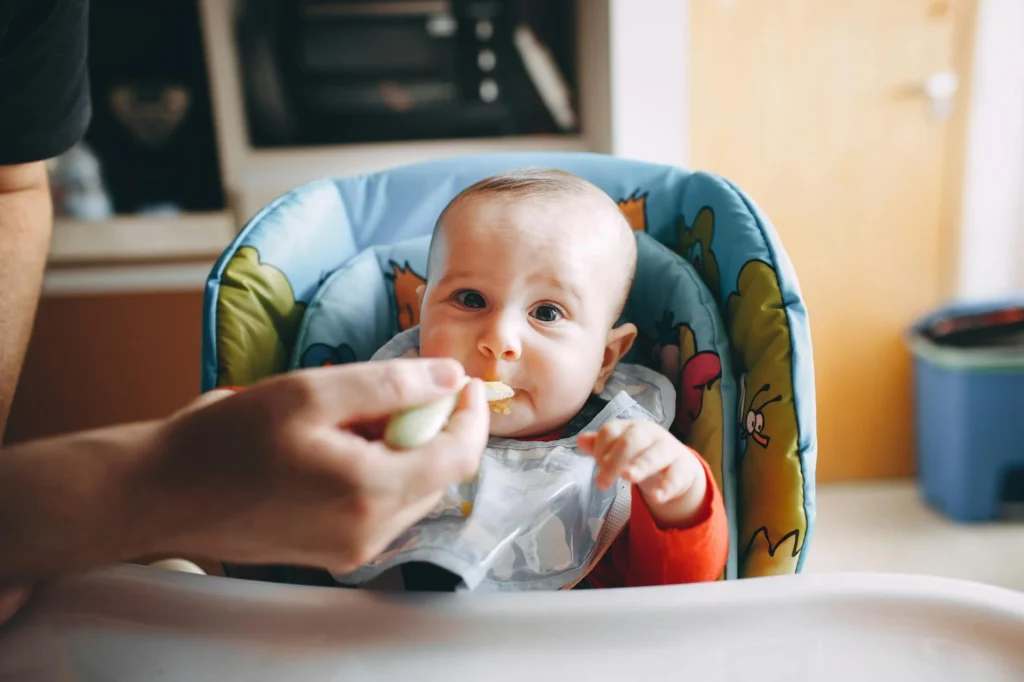
A Calm Approach to Allergen Introduction
The goal is to introduce foods gently and observe your baby for any reactions. Here’s a simple way to approach it:

- One New Food at a Time: When introducing a common allergen (like peanut or egg), give only that new food for a few days before introducing another new one. This makes it easier to pinpoint if your baby reacts to something specific.
- Start Small: Offer just a tiny amount – maybe a quarter teaspoon – mixed into a food your baby has already eaten and tolerated well.
- Choose the Right Time: Introduce new allergens early in the day, like at breakfast or lunch. This gives you plenty of time to observe your baby for any signs of a reaction throughout the day.
- At Home, Not Out: It’s best to introduce highly allergenic foods in a familiar, comfortable environment at home, rather than at a restaurant or daycare, where you can monitor your baby closely.
- Keep Offering: Once an allergenic food has been introduced and tolerated, continue to offer it regularly (a few times a week) to maintain exposure.
Common Allergens: What and How (General Tips)
Always prepare allergenic foods in a way that is appropriate for your baby’s age and prevents choking. Ensure foods are well-cooked, mashed, pureed, or thinned.

- Peanut: Offer smooth peanut butter mixed into breast milk, formula, yogurt, or pureed fruit. Avoid chunky peanut butter or whole peanuts due to choking hazards.
- Egg: Well-cooked, mashed egg yolk and white are suitable. Scrambled egg, finely chopped, is also an option once your baby is managing more textures.
- Dairy: Introduce dairy through yogurt or cheese (pasteurized, full-fat, plain varieties are best). Avoid whole cow’s milk as a primary drink until after their first birthday.
- Wheat: Infant cereals made with wheat, or small pieces of well-cooked pasta, can be good starting points.
- Soy: Offer soft tofu or soy yogurt, making sure it’s plain and unsweetened.
- Tree Nuts: Similar to peanuts, introduce tree nuts in butter form (e.g., almond butter, cashew butter) mixed into other foods. Ground nuts can be mixed into purees, but avoid whole or chopped nuts.
- Fish: Cooked, flaked fish (like salmon or cod) without bones is a good way to introduce this allergen. Avoid shellfish until a bit later, or as advised by your healthcare provider.
Important Feeding Safety Reminders
- No Honey Under 1 Year: Honey can contain spores that cause infant botulism, a serious illness. Always avoid giving honey to babies under 12 months.
- Avoid Added Salt and Sugar: Your baby’s kidneys aren’t fully developed to handle excess salt, and sugar offers no nutritional benefits. Stick to natural flavors.
- Choking Hazards: Be mindful of foods that can pose a choking risk. This includes whole grapes, hot dogs, nuts, popcorn, hard candies, large chunks of meat, and sticky foods like large dollops of peanut butter. Always prepare food in small, manageable pieces appropriate for your baby’s chewing ability.
Spotting Allergic Reactions
Most allergic reactions are mild, but it’s important to know what to look for. Reactions typically happen quickly, often within minutes to two hours of eating the food.
- Mild Signs: Hives (red, raised welts), a rash around the mouth or elsewhere on the body, mild swelling of the face, lips, or eyelids, or mild stomach upset (vomiting or diarrhea).
- Severe Signs (Anaphylaxis): Difficulty breathing, wheezing, persistent coughing, sudden paleness, weakness, dizziness, swelling of the throat or tongue, or a sudden onset of severe vomiting or diarrhea.
When to Reach Out for Guidance
If you notice any signs of an allergic reaction, no matter how mild, stop feeding that food and contact your healthcare provider immediately. If your baby shows signs of a severe reaction (difficulty breathing, swelling of the tongue/throat, sudden weakness), seek emergency medical care right away. It’s always a good idea to discuss any concerns about food allergies with your pediatrician, especially if there’s a family history of allergies.
Frequently Asked Questions
Q: What if my baby has eczema?
A: Babies with eczema may have a higher risk of food allergies. It’s particularly important to discuss allergen introduction with your pediatrician, who may recommend a specific plan or testing.
Q: Do I need to reintroduce allergens regularly?
A: Yes, once an allergenic food has been introduced and tolerated, it’s generally recommended to continue offering it regularly (e.g., a few times a week) to maintain exposure and potentially help prevent allergy development.
Important Disclaimer
The information provided in this article is for general knowledge and informational purposes only, and does not constitute medical advice. It is essential to consult with a qualified healthcare professional or pediatrician for any health concerns or before making any decisions related to your baby’s health or diet.
Note: Totals vary by provider, region, and part quality.
Images sourced from Pexels.