
Setting the Stage for School Success
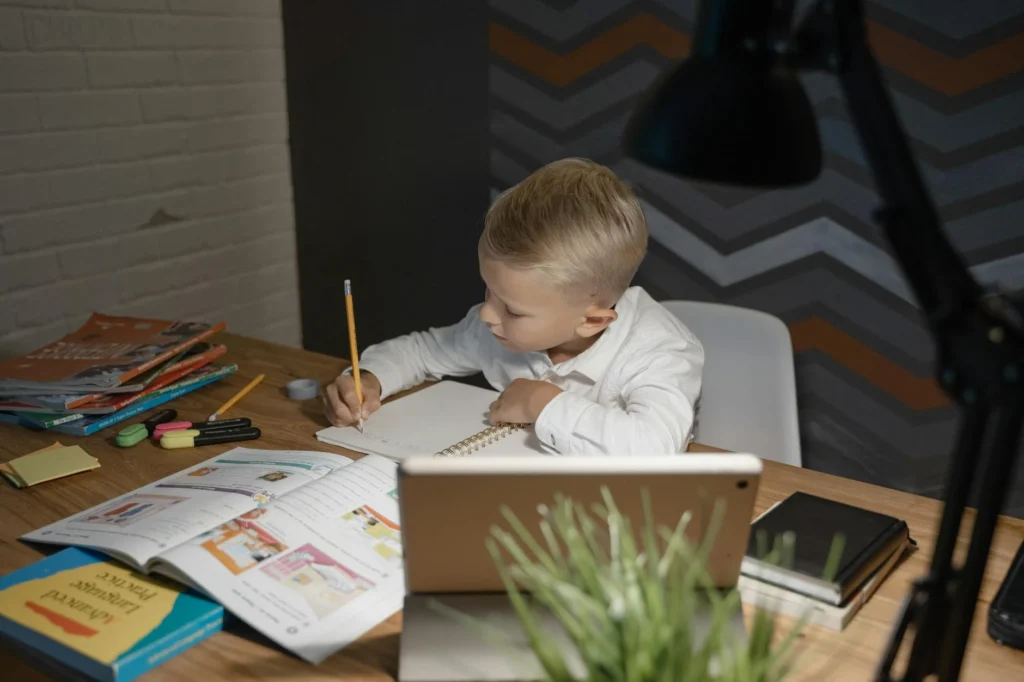
As children enter their later elementary years, homework often becomes more frequent and complex. For a 9-year-old, having a dedicated, focused space isn’t just about getting tasks done; it’s about building strong study habits, fostering independence, and signaling that their learning is important. Think of it as their mini-office, a place where they can concentrate and feel a sense of ownership over their schoolwork.
The Foundation: Where to Set Up
Find a Quiet Zone
Distractions are the enemy of focus. While an open-plan living room might feel convenient, the constant hum of conversation, TV, or siblings playing can quickly derail concentration. Look for a spot that’s relatively quiet. A corner of their bedroom, a spare room, or even a less-used dining room table during specific hours can work wonders.
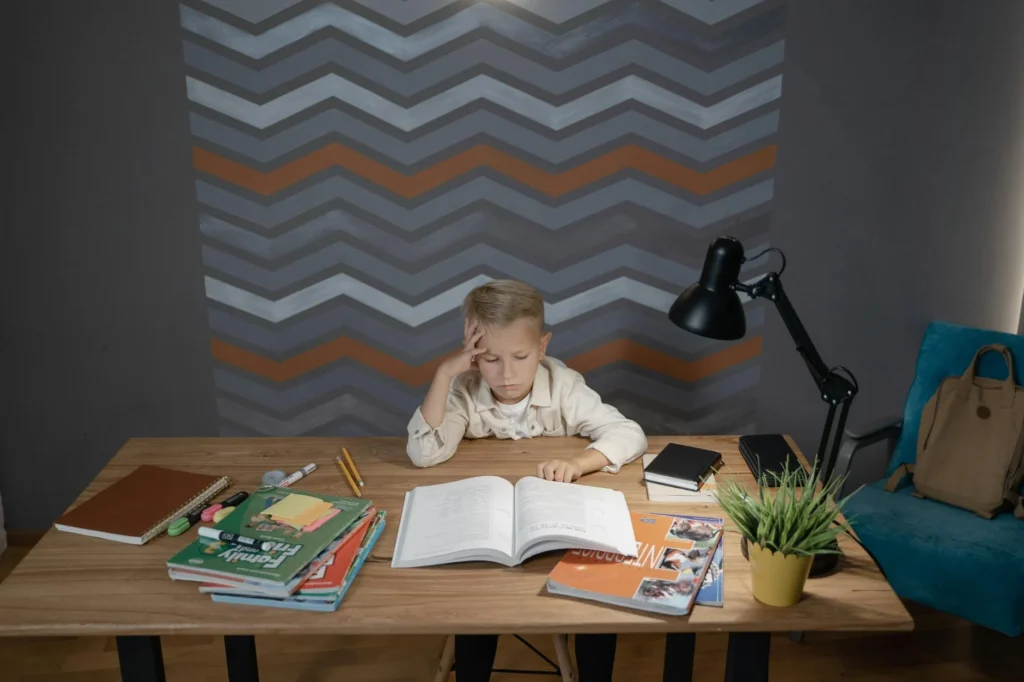
Establish a Dedicated Spot
Consistency is key. Instead of doing homework on the bed one day and the kitchen counter the next, designate a specific area. This helps your child mentally transition into ‘homework mode’ when they sit down there. It becomes a routine, a signal to their brain that it’s time to learn.

Essential Elements for Success
The Right Desk and Chair
Ergonomics matter, even for growing kids. Choose a desk and chair that are appropriately sized for your child. Their feet should be able to touch the floor or a footrest, and their arms should rest comfortably on the desk without hunching. A comfortable child is a more focused child.
Lighting Matters
Good lighting is crucial to prevent eye strain. A combination of overhead room light and a task lamp (like a desk lamp) is ideal. Make sure the light source isn’t casting shadows that make it hard to see their work. Natural light near a window is a bonus!

Organization is Key
A cluttered space often leads to a cluttered mind. Help your child set up simple organizational systems. Desk organizers, shelves for books, and drawers for supplies can keep things tidy. Knowing exactly where to find a pencil or a specific textbook saves time and reduces frustration.
Supplies at Hand
Ensure all necessary supplies are easily accessible. Pencils, erasers, paper, rulers, scissors, and a dictionary should be within reach. This prevents constant interruptions to hunt for an item, keeping their focus on the task at hand.
Minimize Distractions
Beyond noise, think about visual clutter. Clear the desk of toys, games, and anything else unrelated to homework. If possible, keep screens (phones, tablets, TV) out of sight or in another room during homework time. Establishing clear boundaries around technology can be incredibly helpful.
Involving Your Child
Don’t just set up the space for them; involve your 9-year-old in the process. Ask for their input on where things should go, what color organizers they like, or even how they want to decorate their little study nook. This gives them a sense of ownership and makes them more likely to use and maintain the space.
Making it Sustainable
Once the space is set up, encourage daily habits. A quick tidy-up after homework time can prevent overwhelming messes later. Remind them gently, but also empower them to take responsibility for their own workspace. This skill will serve them well into their teenage years and beyond.
When to Re-evaluate
Children grow and their needs change. What works perfectly at nine might need tweaking at ten or eleven. Regularly check in with your child. Is the chair still comfortable? Are they still using the space effectively? Don’t be afraid to adjust and adapt as they develop.
Note: Totals vary by provider, region, and part quality.
Images sourced from Pexels.