
Why Social Play Is So Important Now
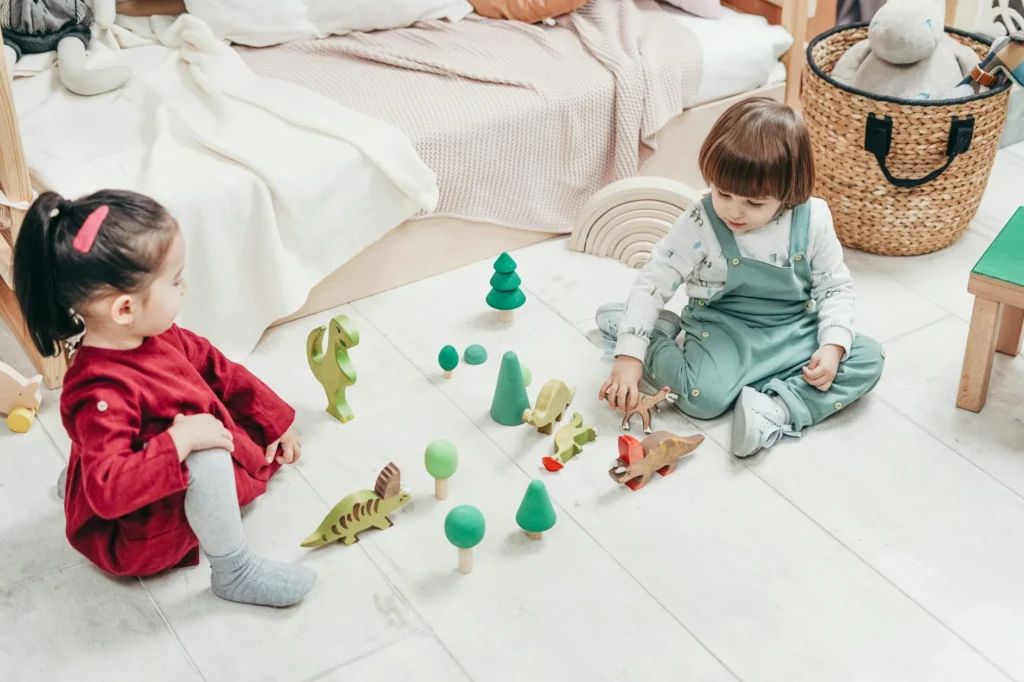
As children reach three, their world expands beyond just parallel play. They’re starting to really notice other kids and want to interact. This is a thrilling time for social development! Through play, three-year-olds learn essential life skills like sharing, taking turns, empathy, and how to communicate their needs and desires. These early interactions lay the groundwork for strong friendships and healthy relationships throughout their lives. It’s not just about having fun; it’s about learning the intricate dance of social connection.
Fun Ideas for Friendship-Building Play
Play is a child’s language, and it’s how they learn to connect. Here are some playful ways to encourage friendship at this age:
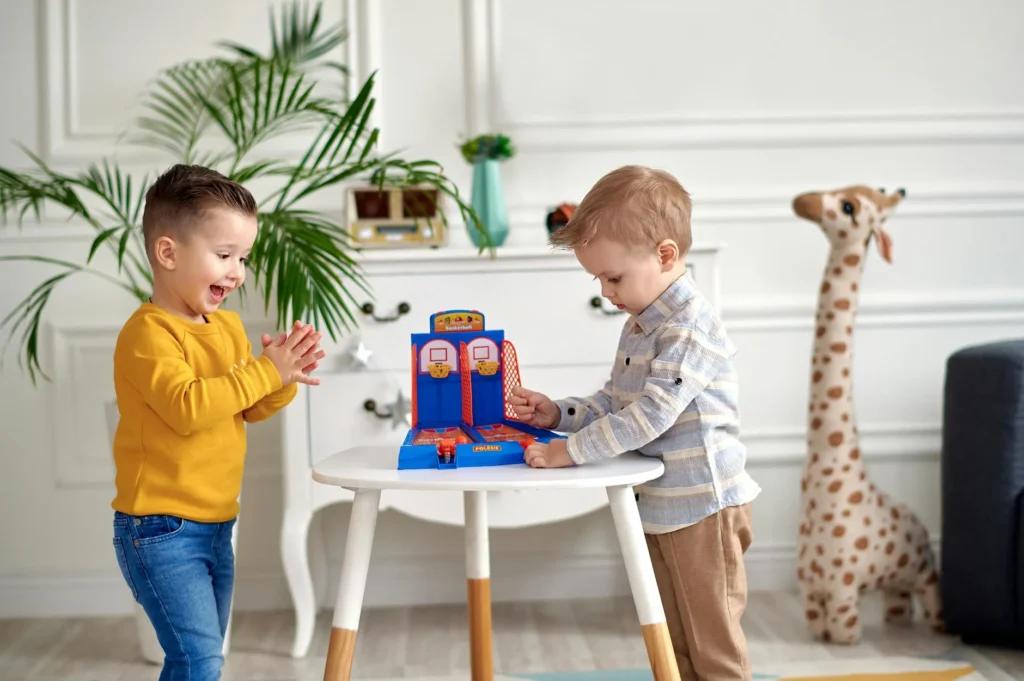
Collaborative Art Projects
Spread out a large piece of paper or cardboard and provide crayons, chunky markers, or washable finger paints. Encourage children to create a ‘group masterpiece’ together. There’s no right or wrong way, just shared exploration. You might suggest, “Let’s all draw a big garden!” or “Can we make a picture with all our favorite animals?”
Pretend Play Adventures
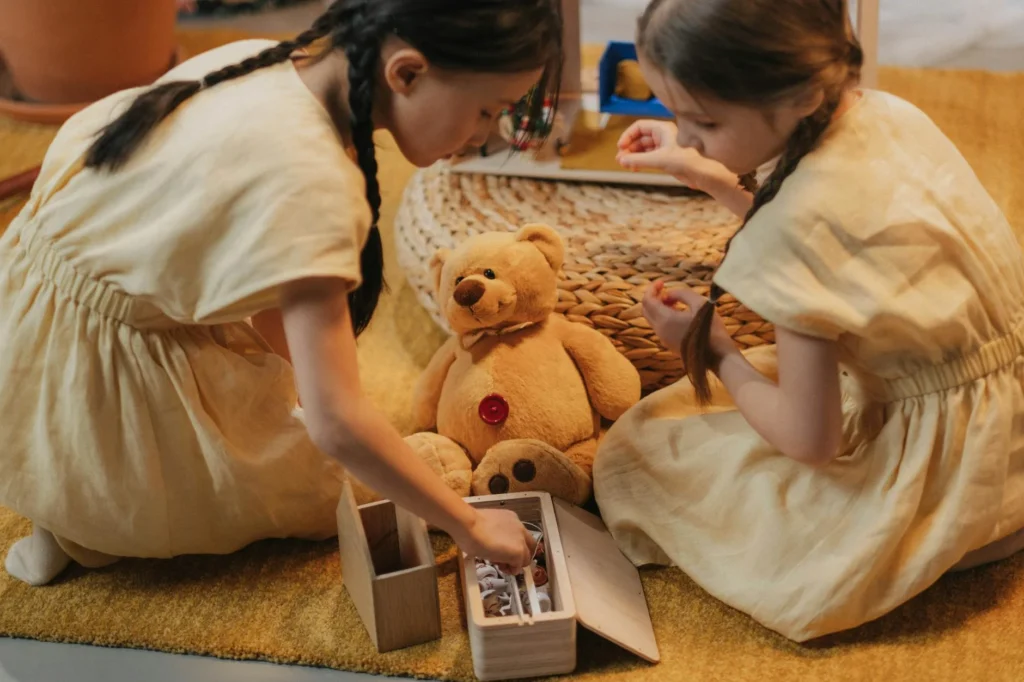
Dress-up clothes, play kitchens, toy doctor kits, or even just blankets and pillows can spark endless imaginative scenarios. Pretend play encourages role-taking and negotiation. Help them set the scene: “You can be the brave firefighter, and you can be the helper!” or “Let’s cook dinner together in our pretend kitchen.” These shared stories are fantastic for bonding.
Simple Group Games
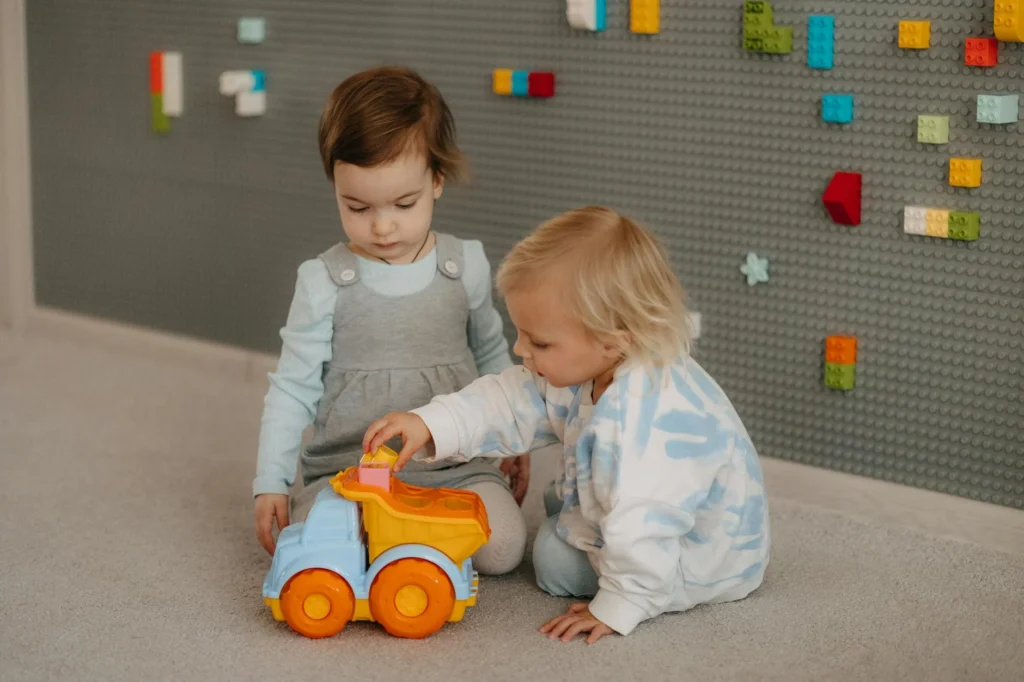
Games that don’t focus heavily on winning or losing are perfect. Think ‘Ring Around the Rosy,’ ‘Duck, Duck, Goose,’ or ‘Follow the Leader.’ These games naturally involve movement, turn-taking, and lots of laughter, making it easy for children to feel connected and part of a group.
Outdoor Exploration
Nature offers a wonderful backdrop for social play. A sandbox provides opportunities for sharing shovels and buckets, building together. Kicking a large ball around, blowing bubbles for each other to pop, or going on a ‘nature treasure hunt’ encourages shared discovery and teamwork. Plus, being outdoors often reduces squabbles over toys.
Story Time & Role-Playing
Reading a book together is a cozy bonding experience. Afterward, try acting out parts of the story with simple props or puppets. This helps children understand different characters and emotions, which is vital for empathy, and gives them a safe space to practice social interactions.
Supporting Their Budding Friendships
As parents, we play a crucial role in facilitating these early friendships:
- Start Small: Keep playdates short (an hour or so) and with one or two other children at first.
- Supervise Gently: Be present but allow children space to negotiate and problem-solve. Step in to guide only when necessary, offering words like, “How about we take turns with that toy?”
- Model Good Behavior: Children learn by watching. Demonstrate sharing, kind words, and patience in your own interactions.
- Provide Open-Ended Toys: Toys like blocks, art supplies, or dress-up clothes encourage imagination and shared play more than highly structured toys.
- Manage Expectations: Not every playdate will be perfectly harmonious. Conflict is a normal part of learning social skills. Your child is learning and growing with every interaction.
When to Seek Guidance
Every child develops at their own pace. Most three-year-olds will naturally gravitate towards social play, though some are more outgoing than others. If you have significant concerns about your child’s social development, such as consistent difficulty engaging with peers, extreme shyness or aggression that prevents interaction, or a strong and persistent preference for solitary play despite opportunities for connection, it might be helpful to speak with a healthcare professional or child development specialist.
Please remember, this information is for general guidance only and is not a substitute for professional medical or developmental advice. If you have specific concerns about your child’s social development, always consult with a qualified healthcare provider.
Note: Totals vary by provider, region, and part quality.
Images sourced from Pexels.