
As your little one grows and explores new textures, offering a variety of nutrient-rich meals becomes an exciting part of their journey. This simple meat and veggie mash recipe is perfect for babies generally starting around 9 months who are ready for heartier, slightly lumpy purees.
It’s packed with protein for growth and essential vitamins from wholesome vegetables, making it a wonderful homemade option that you can easily adapt.
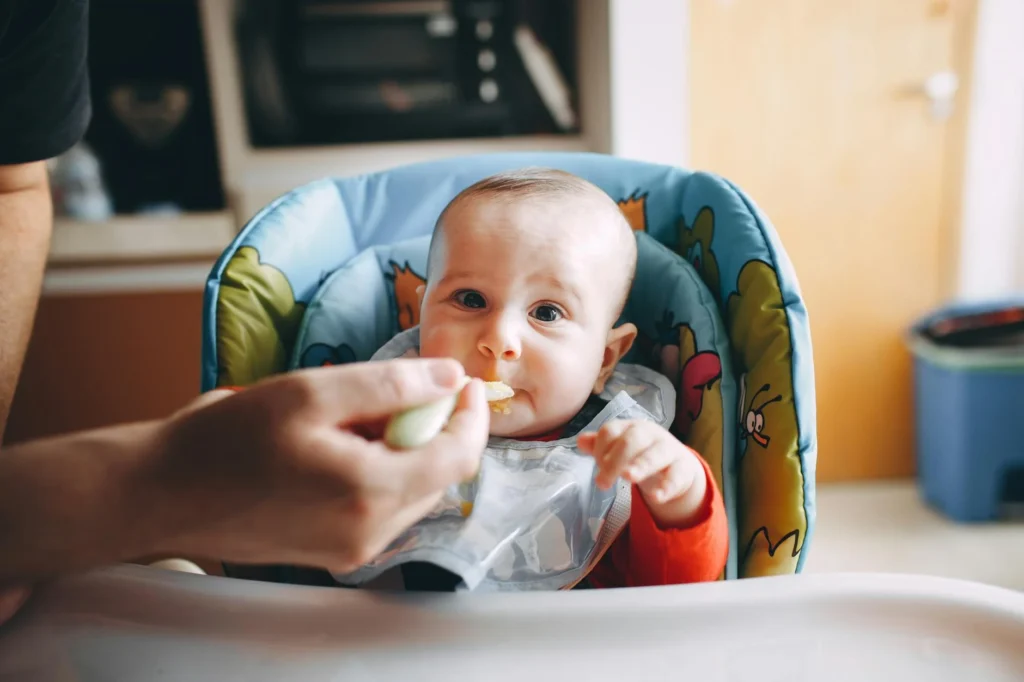
Who It Suits

- Babies typically 9 months and older who have already tried single-ingredient purees and are ready to experiment with combined flavors and slightly thicker textures.
- Parents looking for a nutritious, easy-to-make meal to support their baby’s development.
- Little ones transitioning from smooth purees to more textured, mashed foods.
Ingredients
- Protein: 1/2 cup lean ground meat (chicken, turkey, or beef), cooked and finely crumbled
- Starchy Veggies: 1 medium sweet potato or regular potato, peeled and diced
- Non-Starchy Veggies: 1/2 cup carrots, peeled and diced; 1/4 cup green beans or peas (fresh or frozen)
- Liquid: 1/4 to 1/2 cup low-sodium chicken or vegetable broth, breast milk, formula, or water (adjust for desired consistency)
- Optional: A tiny pinch of mild herbs like dried parsley or thyme (ensure finely ground and introduce new herbs one at a time)
Steps
- Cook the Meat: In a small pan, cook the ground meat over medium heat until thoroughly browned, breaking it into very fine crumbles. Drain any excess fat.
- Prepare Vegetables: While the meat cooks, steam or boil the diced sweet potato/potato and carrots until very tender. If using green beans or peas, add them for the last few minutes of cooking until soft.
- Combine and Mash: Transfer the cooked meat and all cooked vegetables to a bowl. Add 1/4 cup of your chosen liquid.
- Mash to Consistency: Using a fork, potato masher, or immersion blender, mash or gently blend the mixture to your baby’s preferred consistency. For younger babies, you might prefer a smoother blend; for older babies, leave it a bit chunkier. Add more liquid gradually if a thinner consistency is desired.
- Taste Test: Always taste a small bit to ensure it’s cooked well and has a pleasant, mild flavor.
Storage & Serving
- Serving: Always test the temperature before offering to your baby. Serve a small portion and store the rest.
- Refrigeration: Store leftover mash in an airtight container in the refrigerator for up to 2-3 days.
- Freezing: This mash freezes well! Spoon individual portions into ice cube trays, freeze until solid, then transfer the frozen cubes to a freezer-safe bag or container. It can be stored in the freezer for up to one month.
- Reheating: Thaw frozen portions in the refrigerator overnight or use a microwave on a low setting (stirring well and checking for hot spots). Reheat refrigerated portions gently on the stovetop or in the microwave until warm throughout. Always ensure it’s not too hot before serving.
Important Safety Notes
Introducing new foods is an exciting time, but always prioritize safety.

- Allergens: Introduce new ingredients one at a time, waiting 3-5 days between each new food to watch for any allergic reactions. If you notice any signs like hives, swelling, vomiting, or difficulty breathing, seek immediate medical attention. This general information is not medical advice; always consult your pediatrician regarding your baby’s specific dietary needs and potential allergies.
- Honey: Never give honey to babies under one year of age due to the risk of infant botulism.
- Salt and Sugar: It’s best to avoid adding extra salt or sugar to your baby’s food, especially before their first birthday. Their kidneys aren’t fully developed to process excess salt, and sugar offers no nutritional benefit.
- Choking Hazards: Always ensure the mash is the appropriate consistency for your baby’s age and developmental stage. Foods should be soft, well-mashed, and free of large lumps or hard pieces that could pose a choking risk. Supervise your baby closely during mealtimes.
Disclaimer: The information provided here is for general guidance and informational purposes only, and does not constitute medical advice. It is essential to consult with your pediatrician or a qualified healthcare professional regarding your baby’s individual dietary needs, health conditions, or before making any decisions related to their health and diet. If you have concerns about your baby’s health or any adverse reactions to food, contact a healthcare professional immediately.
Note: Totals vary by provider, region, and part quality.
Images sourced from Pexels.